


Social Feed
Jamie Atkins
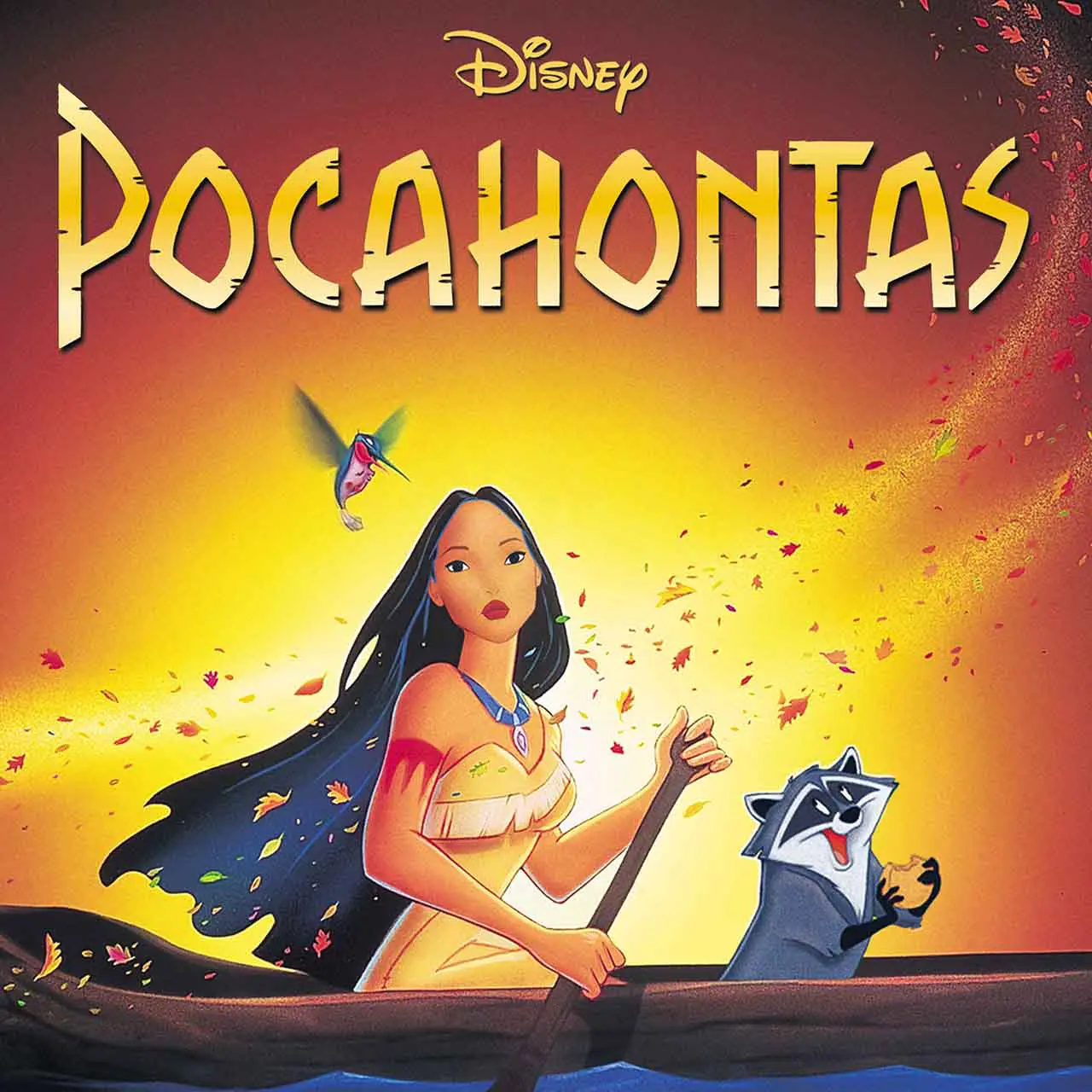
Disney’s Pocahontas represented a brave step for the animation studio. The blockbusters that had put the company back on top in the 90s – The Little Mermaid, Beauty & The Beast, Aladdin, The Lion King – were ambitious in terms of their use of technology and their sheer scale, but none of them had truly engaged with potentially sensitive subjects. Pocahontas might have been an epic love story in the grand Disney tradition, but it also dealt with the impact of colonialism and climate change while featuring a strong female lead character of color.
The studio called upon trusted composer Alan Menken (The Little Mermaid, Beauty & The Beast, Aladdin) and Disney newcomer Stephen Schwartz, who was hot property after writing the Broadway smash hits Wicked and Godspell. Schwartz met with Menken and Disney executives about working on a new project and was so confident that the partnership would work, he signed up before knowing the subject matter of the movie in question.
Listen to the Pocahontas soundtrack on Spotify or Apple Music now.
When Schwartz learned it was an adaptation of the legend of Pocahontas – the Native American woman credited with helping English settlers survive in Virginia in the early 1600s – he realized how challenging the project might prove. “Talking honestly about Native Americans and their encounters with white settlers would be difficult,” he once told Grammy.com. “But the worst that could happen is they’d see what I came up with and I’ll get fired.”
Such drastic steps were not necessary. Schwartz was determined to do the subject matter justice and did his homework. “I have this slogan: ‘in lieu of inspiration, do research,’” Schwartz told Grammy.com. He later wrote about his efforts to fully understand the culture on his official website, “We did go on a field trip to Jamestown and, while there, to a gathering of Native American tribes. As always, being on the spot was tremendously useful for atmosphere and specific details of the lyrics, and I bought some tapes while I was there, including one called Songs of the Virginia Company that was very Algonkian, but probably not the same Algonkian that Pocahontas actually spoke. [the tapes were] helpful in selecting musical styles for songs like ‘Mine, Mine, Mine’. The non-English lyrics are indeed authentic.”
Click to load video
Menken took the responsibility of writing for Pocahontas just as seriously, later telling Grammy.com, “Pocahontas was so pivotal given contemporary sensitivities about how we depict Native Americans. This is a musical and a Disney project, so there are elements that are really romanticized in the storytelling, but we had very pivotal Native advisors such as Russell Means. We and Disney wanted to be accurate and balanced in our depiction of the story.”
The sweeping epic “Colors Of The Wind” was a key song in acknowledging the contrasts between the Native American way of life and that of the European settlers. The song finds Pocahontas – voiced here by Judy Kuhn – opening John Smith’s eyes with lyrics like, “You think you own whatever land you land on / The Earth is just a dead thing you can claim / But I know every rock and tree and creature / Has a life, has a spirit, has a name.” While the settlers assumed Pocahontas and her people are “ignorant savages,” they have much to learn from them. It’s a climate-conscious Disney classic with a message that is, sadly, more relevant than ever.

Click to load video
Schwartz acknowledged his inspiration for the song: “The lyrics to ‘Colors of the Wind’ were inspired by a famous letter written by Chief Seattle to Congress, which has been reprinted many times. In the song, I basically wanted Pocahontas to address the Eurocentrism of John Smith; so in essence, it’s a consciousness-raising song. I tried to use Native American locution and imagery, and thus the specific wording was somewhat influenced by some of the Native American poetry I had been reading as research.”
“Colors Of The Wind” was the first song completed by the Menken-Schwartz partnership and inspired a surge of creativity. “Just Around The Riverbend” was another classic – a song that introduces the audience to the complexities of the central character. In the grand tradition of Disney lead characters, Pocahontas feels she is destined to pursue a different path to the one set out for her by her family and society’s expectations. Though she has not yet met John Smith, “Just Around The Riverbend” prepares the audience for the unlikely romance by emphasizing how headstrong Pocahontas can be.
Click to load video
The soundtrack not only handled Pocahontas’ subject matter with subtlety and intelligence, but it was also a huge hit, reaching No 1 on the US Billboard 200 chart in July 1995 (helped along by Vanessa Williams’ adult contemporary take on “Colors Of The Wind”). But its real triumph is how resonant the songs remain.
Listen to the Pocahontas soundtrack on Spotify or Apple Music now.
Continue reading...
0 Replies
·
17 views
Replies
Legacy View
Hi, everyone
This is Mr Henry, the latest member here. I am someone who's enjoyed listening to the radio even from little. So, finding a community where I can be able to discuss talks radio, music and other interests gives me so much joy. I am looking forward to enjoying my time here.
This is Mr Henry, the latest member here. I am someone who's enjoyed listening to the radio even from little. So, finding a community where I can be able to discuss talks radio, music and other interests gives me so much joy. I am looking forward to enjoying my time here.
0 Replies
·
0 views
Replies
Legacy View
like, like every other track is trying to sound like it’s from the 80s or 90s and half the time im like… were you even alive then?? it’s weird when the production is so polished it feels fake-retro. but then again i lowkey love some of those synthwave-y tracks so im part of the problem. whats worse is when theyre clearly pandering but idk man i think im just salty bc some of these artists are younger than the trends theyre copying. still, if it slaps it slaps. whats a song that actually does the throwback thing well without feeling forced?
1 Replies
·
7 views
it’s like every other song on the radio is about packing a bag and hitting the road or moving to some big city and i cant decide if it’s aspirational or just people trying to escape something ... half of them are probably written by people who’ve never even left their hometown but somehow they make it sound so dramatic ... like yeah sure you’re really running away from your problems by going to la or wherever ... idk maybe it’s just me being cynical but it feels overdone at this point ... also why does nobody ever sing about staying put and dealing with stuff 
0 Replies
·
4 views
Replies
Legacy View
BrooklynVegan Staff
Jack White has quietly revealed the follow-up to his 2024 album No Name. A listing for Frozen Charlotte, his seventh LP, appeared on the Third Man Records store (it was also teased in Third Man’s Release Lab video series, as Stereogum points out). It’s due out on July 10 and White produced it; it also features his live band of Patrick Keeler (drums), Dominic Davis (bass), and Bobby Emmett (keys). See the cover art and tracklist below.
The album features White’s April singles “G.O.D. and the Broken Ribs” and “Derecho Demonico,” and the new single is “Dollar Bill.” Hear that below.
White is on tour in Europe now, with North American shows next month, including NYC’s Brooklyn Paramount on July 11 and 12 and Port Chester’s Capitol Theatre on July 19. See all dates below.
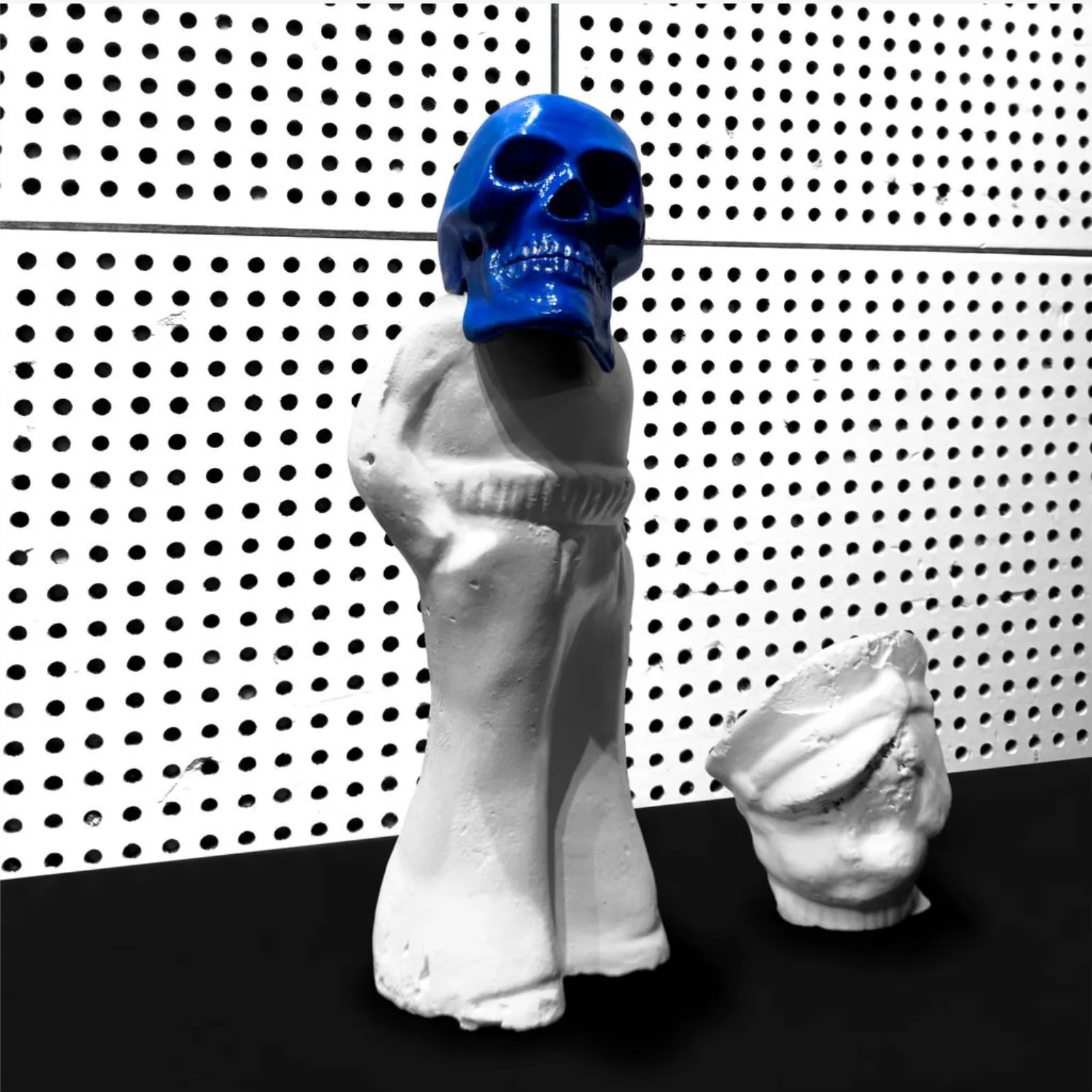
“Frozen Charlotte” is also the name of a series of sculptures by White that are on display at London’s Newport Street Gallery, which is hosting the first public exhibition of his visual art, “These Thoughts May Disappear.”
JACK WHITE – FROZEN CHARLOTTE TRACKLIST
1. G.O.D. And The Broken Ribs
2. Derecho Demonico
3. There’s Nobody There
4. Raising the Grain
5. You’ll Never Fix Me
6. Nobody Knows
7. Dollar Bill
8. I Can’t Believe What I’m Hearing
9. Thick as Thieves
10. All Alone Again
11. She’s in a Frenzy
12. Making Contact
13. Neighbors Blues
JACK WHITE: 2026 TOUR DATES
JUNE 10, 2026 – Liseberg (Concert Series) Gothenburg, Sweden
JUNE 12, 2026 – Best Kept Secret Festival Hilvarenbeek, Netherlands
JUNE 13, 2026 – L’Olympia Paris, France
JUNE 14, 2026 – L’Olympia Paris, France
JUNE 16, 2026 – Ancienne Belgique Brussels, Belgium
JUNE 17, 2026 – Ancienne Belgique Brussels, Belgium
JUNE 18 – Les Nuits de Fourviere Lyon, France
JUNE 19, 2026 – La Prima Estate Camaiore, Italy
JUNE 21, 2026 – Arena Alpe Adria Lignano Sabbiadoro, Italy
JUNE 22-24, 2026 – INMusic Festival Zagreb, Croatia
JULY 10, 2026 – The Anthem Washington, District of Columbia
JULY 11, 2026 – Brooklyn Paramount Brooklyn, New York
JULY 12, 2026 – Brooklyn Paramount Brooklyn, New York
JULY 14, 2026 – RBC Amphitheatre Toronto, Canada *
JULY 15, 2026 – Champlain Valley Exposition South Burlington, Vermont
JULY 17, 2026 – MGM Music Hall at Fenway Boston, Massachusetts
JULY 18, 2026 – College Street Music Hall New Haven, Connecticut
JULY 19, 2026 – The Capitol Theatre Port Chester, New York
JULY 21, 2026 – Everwise Amphitheater at White River State Park Indianapolis, Indiana
JULY 23, 2026 – Radius Chicago, Illinois
JULY 24, 2026 – The Salt Shed (Outdoors) Chicago, Illinois
JULY 25, 2026 – Pine Knob Music Theatre Clarkston, Michigan
AUGUST 17, 2026 – Yes24 Live Seoul, South Korea
AUGUST 19, 2026 – Red Rock Center Shanghai, China
AUGUST 21, 2026 – Park Live Almaty Almaty, Kazakhstan
AUGUST 23, 2026 – Babylon Soundgarden İstanbul, Turkey
AUGUST 25, 2026 – Eventim Apollo London, United Kingdom
AUGUST 26, 2026 – Eventim Apollo London, United Kingdom
AUGUST 28, 2026 – The Prospect Building Bristol, United Kingdom
AUGUST 29, 2026 – O2 City Hall Newcastle upon Tyne, United Kingdom
AUGUST 31, 2026 – The Telegraph Building Belfast, United Kingdom
SEPTEMBER 1, 2026 – 3Olympia Theatre Dublin, Ireland
SEPTEMBER 2, 2026 – 3Olympia Theatre Dublin, Ireland
SEPTEMBER 18, 2026 – MegaCorp Pavilion Cincinnati, Ohio
SEPTEMBER 19, 2026 – Borderland Festival East Aurora, New York
SEPTEMBER 19-20, 2026 – Iron Blossom Music Festival Richmond, Virginia
SEPTEMBER 24, 2026 – Bill Graham Civic Auditorium San Francisco, California
SEPTEMBER 25, 2026 – Fox Theater Pomona, California
SEPTEMBER 28, 2026 – Hollywood Palladium Los Angeles, California
SEPTEMBER 29, 2026 – Hollywood Palladium Los Angeles, California
SEPTEMBER 30, 2026 – The Sound Del Mar, California
OCTOBER 2, 2026 – Fontainebleau Las Vegas Las Vegas, Nevada
OCTOBER 3, 2026 – Arizona Financial Theatre Phoenix, Arizona
OCTOBER 4, 2026 – Revel Albuquerque, New Mexico
OCTOBER 6, 2026 – Moody Amphitheater Austin, Texas
OCTOBER 7, 2026 – The Bomb Factory Dallas, Texas
OCTOBER 9, 2026 – The Truth Nashville, Tennessee
NOVEMBER 8, 2026 – The Armory Minneapolis, Minnesota
NOVEMBER 9, 2026 – The Sylvee Madison, Wisconsin
NOVEMBER 10, 2026 – Landmark Credit Union Live Milwaukee, Wisconsin
NOVEMBER 12, 2026 – Citizens Live at The Wylie Pittsburgh, Pennsylvania
NOVEMBER 13, 2026 – The Fillmore Charlotte Charlotte, North Carolina
NOVEMBER 14, 2026 – The Fillmore Charlotte Charlotte, North Carolina
NOVEMBER 16, 2026 – Hard Rock Live Orlando Orlando, Florida
NOVEMBER 17, 2026 – The Fillmore Miami Beach, Florida
NOVEMBER 18, 2026 – The Fillmore Miami Beach, Florida
NOVEMBER 20, 2026 – Coca-Cola Roxy Atlanta, Georgia
NOVEMBER 21, 2026 – Coca-Cola Roxy Atlanta, Georgia
* with Angine de Poitrine
Continue reading...
The album features White’s April singles “G.O.D. and the Broken Ribs” and “Derecho Demonico,” and the new single is “Dollar Bill.” Hear that below.
White is on tour in Europe now, with North American shows next month, including NYC’s Brooklyn Paramount on July 11 and 12 and Port Chester’s Capitol Theatre on July 19. See all dates below.
“Frozen Charlotte” is also the name of a series of sculptures by White that are on display at London’s Newport Street Gallery, which is hosting the first public exhibition of his visual art, “These Thoughts May Disappear.”
JACK WHITE – FROZEN CHARLOTTE TRACKLIST
1. G.O.D. And The Broken Ribs
2. Derecho Demonico
3. There’s Nobody There
4. Raising the Grain
5. You’ll Never Fix Me
6. Nobody Knows
7. Dollar Bill
8. I Can’t Believe What I’m Hearing
9. Thick as Thieves
10. All Alone Again
11. She’s in a Frenzy
12. Making Contact
13. Neighbors Blues
JACK WHITE: 2026 TOUR DATES
JUNE 10, 2026 – Liseberg (Concert Series) Gothenburg, Sweden
JUNE 12, 2026 – Best Kept Secret Festival Hilvarenbeek, Netherlands
JUNE 13, 2026 – L’Olympia Paris, France
JUNE 14, 2026 – L’Olympia Paris, France
JUNE 16, 2026 – Ancienne Belgique Brussels, Belgium
JUNE 17, 2026 – Ancienne Belgique Brussels, Belgium
JUNE 18 – Les Nuits de Fourviere Lyon, France
JUNE 19, 2026 – La Prima Estate Camaiore, Italy
JUNE 21, 2026 – Arena Alpe Adria Lignano Sabbiadoro, Italy
JUNE 22-24, 2026 – INMusic Festival Zagreb, Croatia
JULY 10, 2026 – The Anthem Washington, District of Columbia
JULY 11, 2026 – Brooklyn Paramount Brooklyn, New York
JULY 12, 2026 – Brooklyn Paramount Brooklyn, New York
JULY 14, 2026 – RBC Amphitheatre Toronto, Canada *
JULY 15, 2026 – Champlain Valley Exposition South Burlington, Vermont
JULY 17, 2026 – MGM Music Hall at Fenway Boston, Massachusetts
JULY 18, 2026 – College Street Music Hall New Haven, Connecticut
JULY 19, 2026 – The Capitol Theatre Port Chester, New York
JULY 21, 2026 – Everwise Amphitheater at White River State Park Indianapolis, Indiana
JULY 23, 2026 – Radius Chicago, Illinois
JULY 24, 2026 – The Salt Shed (Outdoors) Chicago, Illinois
JULY 25, 2026 – Pine Knob Music Theatre Clarkston, Michigan
AUGUST 17, 2026 – Yes24 Live Seoul, South Korea
AUGUST 19, 2026 – Red Rock Center Shanghai, China
AUGUST 21, 2026 – Park Live Almaty Almaty, Kazakhstan
AUGUST 23, 2026 – Babylon Soundgarden İstanbul, Turkey
AUGUST 25, 2026 – Eventim Apollo London, United Kingdom
AUGUST 26, 2026 – Eventim Apollo London, United Kingdom
AUGUST 28, 2026 – The Prospect Building Bristol, United Kingdom
AUGUST 29, 2026 – O2 City Hall Newcastle upon Tyne, United Kingdom
AUGUST 31, 2026 – The Telegraph Building Belfast, United Kingdom
SEPTEMBER 1, 2026 – 3Olympia Theatre Dublin, Ireland
SEPTEMBER 2, 2026 – 3Olympia Theatre Dublin, Ireland
SEPTEMBER 18, 2026 – MegaCorp Pavilion Cincinnati, Ohio
SEPTEMBER 19, 2026 – Borderland Festival East Aurora, New York
SEPTEMBER 19-20, 2026 – Iron Blossom Music Festival Richmond, Virginia
SEPTEMBER 24, 2026 – Bill Graham Civic Auditorium San Francisco, California
SEPTEMBER 25, 2026 – Fox Theater Pomona, California
SEPTEMBER 28, 2026 – Hollywood Palladium Los Angeles, California
SEPTEMBER 29, 2026 – Hollywood Palladium Los Angeles, California
SEPTEMBER 30, 2026 – The Sound Del Mar, California
OCTOBER 2, 2026 – Fontainebleau Las Vegas Las Vegas, Nevada
OCTOBER 3, 2026 – Arizona Financial Theatre Phoenix, Arizona
OCTOBER 4, 2026 – Revel Albuquerque, New Mexico
OCTOBER 6, 2026 – Moody Amphitheater Austin, Texas
OCTOBER 7, 2026 – The Bomb Factory Dallas, Texas
OCTOBER 9, 2026 – The Truth Nashville, Tennessee
NOVEMBER 8, 2026 – The Armory Minneapolis, Minnesota
NOVEMBER 9, 2026 – The Sylvee Madison, Wisconsin
NOVEMBER 10, 2026 – Landmark Credit Union Live Milwaukee, Wisconsin
NOVEMBER 12, 2026 – Citizens Live at The Wylie Pittsburgh, Pennsylvania
NOVEMBER 13, 2026 – The Fillmore Charlotte Charlotte, North Carolina
NOVEMBER 14, 2026 – The Fillmore Charlotte Charlotte, North Carolina
NOVEMBER 16, 2026 – Hard Rock Live Orlando Orlando, Florida
NOVEMBER 17, 2026 – The Fillmore Miami Beach, Florida
NOVEMBER 18, 2026 – The Fillmore Miami Beach, Florida
NOVEMBER 20, 2026 – Coca-Cola Roxy Atlanta, Georgia
NOVEMBER 21, 2026 – Coca-Cola Roxy Atlanta, Georgia
* with Angine de Poitrine
Continue reading...
0 Replies
·
2 views
Replies
Legacy View
BrooklynVegan Staff
Jeff Tweedy‘s great solo album Twilight Override turns 1 in September, and he’ll continue supporting it on the road with a new round of solo shows. They happen in October and November, and he’ll be joined for them by Case Oats, the duo of Spencer Tweedy (his son) and Casey Gomez. See all dates below.
The tour includes a pair of Woodstock, NY shows at Bearsville Theater on October 26 and 27, followed by an NYC show at Town Hall on October 28. Tickets for those and all dates go on sale Friday, June 12 at 10 AM local, with various presales starting today (6/10) at 10 AM local.
As for Wilco, they’re about to begin the next leg of their summer tour, which includes “An Evening With” shows and NYC at Forest Hills Stadium on June 20 with Yo La Tengo. See those dates below, as well.
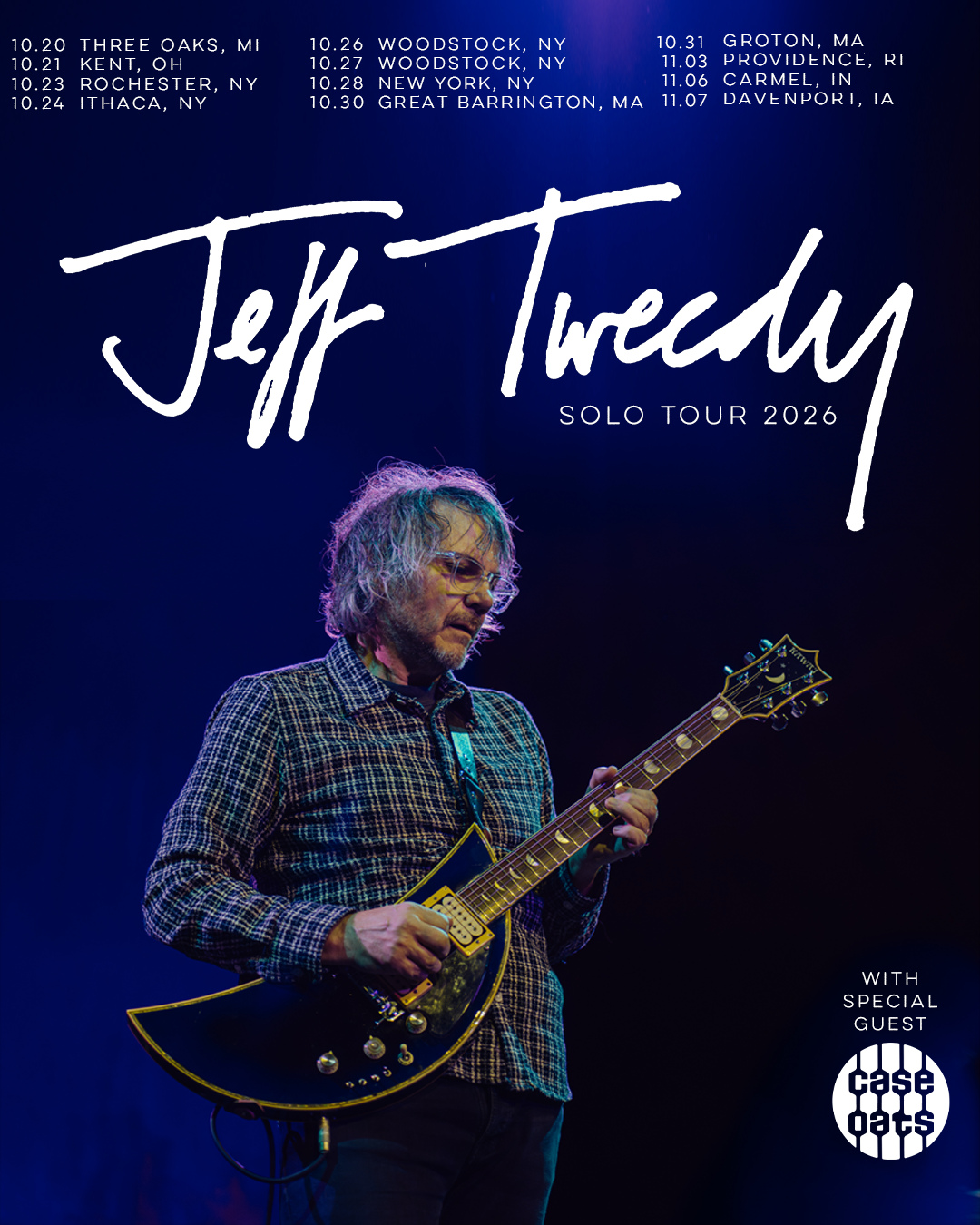
JEFF TWEEDY: 2026-2027 TOUR DATES
06.28.2026 North Adams, MA – Solid Sound Festival
10.04.2026 Florence, AL – Shoals Fest
10.20.2026 Three Oaks, MI – The Acorn *
10.21.2026 Kent, OH – The Kent Stage *
10.23.2026 Rochester, NY – RIT Performing Arts Center *
10.24.2026 Ithaca, NY – State Theater *
10.26.2026 Woodstock, NY – Bearsville Theater *
10.27.2026 Woodstock, NY – Bearsville Theater *
10.28.2026 New York, NY – Town Hall *
10.30.2026 Great Barrington, MA – Mahaiwe Performing Arts Center *
10.31.2026 Groton, MA – Groton Hill Music Center *
11.03.2026 Providence, RI – Uptown Theater *
11.06.2026 Carmel, IN – The Tarkington *
11.07.2026 Davenport, IA – Capitol Theatre *
11.16.2026 Galway, Ireland – Black Box
11.17.2026 Dublin, Ireland – Ambassador Theatre
11.19.2026 Cork, Ireland – Live at St Lukes
11.20.2026 Kilkenny, Ireland – St Canice’s Cathedral
02.26.2027 Miami to St Kitts & St Maarten – Cayamo Cruise
* with Case Oats
WILCO: 2026-2027 TOUR DATES
06.12.2026 Grand Rapids, MI – Frederik Meijer Gardens Amphitheatre
06.13.2026 Rochester Hills, MI – Meadow Brook Amphitheatre
06.14.2026 Chautauqua, NY – Chautauqua Institution Amphitheatre
06.16.2026 Lafayette, NY – Beak & Skiff Apple Orchards
06.17.2026 Bethlehem, PA – ArtsQuest Center at SteelStacks
06.18.2026 Vienna, VA – Wolf Trap
06.20.2026 Forest Hills, NY – Forest Hills Stadium #
06.21.2026 Portland, ME – Thompson’s Point
06.26.2026 North Adams, MA – Solid Sound Festival ^
06.27.2026 North Adams, MA – Solid Sound Festival
07.01.2026 Tulsa, OK – Cain’s Ballroom
07.03.2026 Dallas, TX – Toyota Music Factory %
07.04.2026 Austin, TX – Germania Insurance Amphitheater %
07.05.2026 Houston, TX – Cynthia Woods Mitchell Pavilion %
07.07.2026 Memphis, TN – Grind City Amphitheater
07.09.2026 LaGrange, GA – Sweetland Amphitehatre
07.10.2026 Charleston, SC – Firefly Distillery
07.11.2026 Durham, NC – Durham Performing Arts Center
07.13.2026 Wilmington NC – Greenfield Lake Amphitheater
07.14.2026 Virginia Beach, VA – The Dome
07.15.2026 Wheeling WV – Capitol Theatre
07.17.2026 Lexington KY – The Burl
07.18.2026 Columbus, OH – The Palace Theatre
08.13.2026 Oslo, Norway – Oya Festival
08.14.2026 Copenhagen, Denmark – Syd for Solen
08.15.2026 Gothenburg, SE – Way Out West Festival
08.17.2026 Nijmegen, NL – De Vereeniging +
08.18.2026 Amsterdam, NL – Paradiso +
08.20.2026 London, UK – Eventim Apollo Hammersmith +
08.21.2026 Crickhowell, Wales, UK – Green Man Festival
08.22.2026 Glasgow, Scotland – Glasgow Royal Concert Hall +
08.25.2026 Antwerp, Belgium – OLT Rivierenhof +
08.26.2026 Antwerp, Belgium – OLT Rivierenhof +
08.28.2026 Paris, France – Rock en Seine
08.29.2026 La Tour de Peliz, Switzerland – Nox Orae
08.31.2026 Rome, Italy – Auditorium Parco della Musica Cavea
09.01.2026 Mantova, Italy – Palazzo Te
09.03.2026 Sibenik, Croatia – St Michael’s Fortress
03.25.2027 Marrakech, Morocco – March 25, 26, 27, 2027
# with Yo La Tengo
^ Mermaid Avenue set with Billy Bragg
% Willie Nelson’s Outlaw Music Festival date
+ with Hovvdy
Continue reading...
The tour includes a pair of Woodstock, NY shows at Bearsville Theater on October 26 and 27, followed by an NYC show at Town Hall on October 28. Tickets for those and all dates go on sale Friday, June 12 at 10 AM local, with various presales starting today (6/10) at 10 AM local.
As for Wilco, they’re about to begin the next leg of their summer tour, which includes “An Evening With” shows and NYC at Forest Hills Stadium on June 20 with Yo La Tengo. See those dates below, as well.
JEFF TWEEDY: 2026-2027 TOUR DATES
06.28.2026 North Adams, MA – Solid Sound Festival
10.04.2026 Florence, AL – Shoals Fest
10.20.2026 Three Oaks, MI – The Acorn *
10.21.2026 Kent, OH – The Kent Stage *
10.23.2026 Rochester, NY – RIT Performing Arts Center *
10.24.2026 Ithaca, NY – State Theater *
10.26.2026 Woodstock, NY – Bearsville Theater *
10.27.2026 Woodstock, NY – Bearsville Theater *
10.28.2026 New York, NY – Town Hall *
10.30.2026 Great Barrington, MA – Mahaiwe Performing Arts Center *
10.31.2026 Groton, MA – Groton Hill Music Center *
11.03.2026 Providence, RI – Uptown Theater *
11.06.2026 Carmel, IN – The Tarkington *
11.07.2026 Davenport, IA – Capitol Theatre *
11.16.2026 Galway, Ireland – Black Box
11.17.2026 Dublin, Ireland – Ambassador Theatre
11.19.2026 Cork, Ireland – Live at St Lukes
11.20.2026 Kilkenny, Ireland – St Canice’s Cathedral
02.26.2027 Miami to St Kitts & St Maarten – Cayamo Cruise
* with Case Oats
WILCO: 2026-2027 TOUR DATES
06.12.2026 Grand Rapids, MI – Frederik Meijer Gardens Amphitheatre
06.13.2026 Rochester Hills, MI – Meadow Brook Amphitheatre
06.14.2026 Chautauqua, NY – Chautauqua Institution Amphitheatre
06.16.2026 Lafayette, NY – Beak & Skiff Apple Orchards
06.17.2026 Bethlehem, PA – ArtsQuest Center at SteelStacks
06.18.2026 Vienna, VA – Wolf Trap
06.20.2026 Forest Hills, NY – Forest Hills Stadium #
06.21.2026 Portland, ME – Thompson’s Point
06.26.2026 North Adams, MA – Solid Sound Festival ^
06.27.2026 North Adams, MA – Solid Sound Festival
07.01.2026 Tulsa, OK – Cain’s Ballroom
07.03.2026 Dallas, TX – Toyota Music Factory %
07.04.2026 Austin, TX – Germania Insurance Amphitheater %
07.05.2026 Houston, TX – Cynthia Woods Mitchell Pavilion %
07.07.2026 Memphis, TN – Grind City Amphitheater
07.09.2026 LaGrange, GA – Sweetland Amphitehatre
07.10.2026 Charleston, SC – Firefly Distillery
07.11.2026 Durham, NC – Durham Performing Arts Center
07.13.2026 Wilmington NC – Greenfield Lake Amphitheater
07.14.2026 Virginia Beach, VA – The Dome
07.15.2026 Wheeling WV – Capitol Theatre
07.17.2026 Lexington KY – The Burl
07.18.2026 Columbus, OH – The Palace Theatre
08.13.2026 Oslo, Norway – Oya Festival
08.14.2026 Copenhagen, Denmark – Syd for Solen
08.15.2026 Gothenburg, SE – Way Out West Festival
08.17.2026 Nijmegen, NL – De Vereeniging +
08.18.2026 Amsterdam, NL – Paradiso +
08.20.2026 London, UK – Eventim Apollo Hammersmith +
08.21.2026 Crickhowell, Wales, UK – Green Man Festival
08.22.2026 Glasgow, Scotland – Glasgow Royal Concert Hall +
08.25.2026 Antwerp, Belgium – OLT Rivierenhof +
08.26.2026 Antwerp, Belgium – OLT Rivierenhof +
08.28.2026 Paris, France – Rock en Seine
08.29.2026 La Tour de Peliz, Switzerland – Nox Orae
08.31.2026 Rome, Italy – Auditorium Parco della Musica Cavea
09.01.2026 Mantova, Italy – Palazzo Te
09.03.2026 Sibenik, Croatia – St Michael’s Fortress
03.25.2027 Marrakech, Morocco – March 25, 26, 27, 2027
# with Yo La Tengo
^ Mermaid Avenue set with Billy Bragg
% Willie Nelson’s Outlaw Music Festival date
+ with Hovvdy
Continue reading...
0 Replies
·
2 views
Replies
Legacy View
Ian McCann
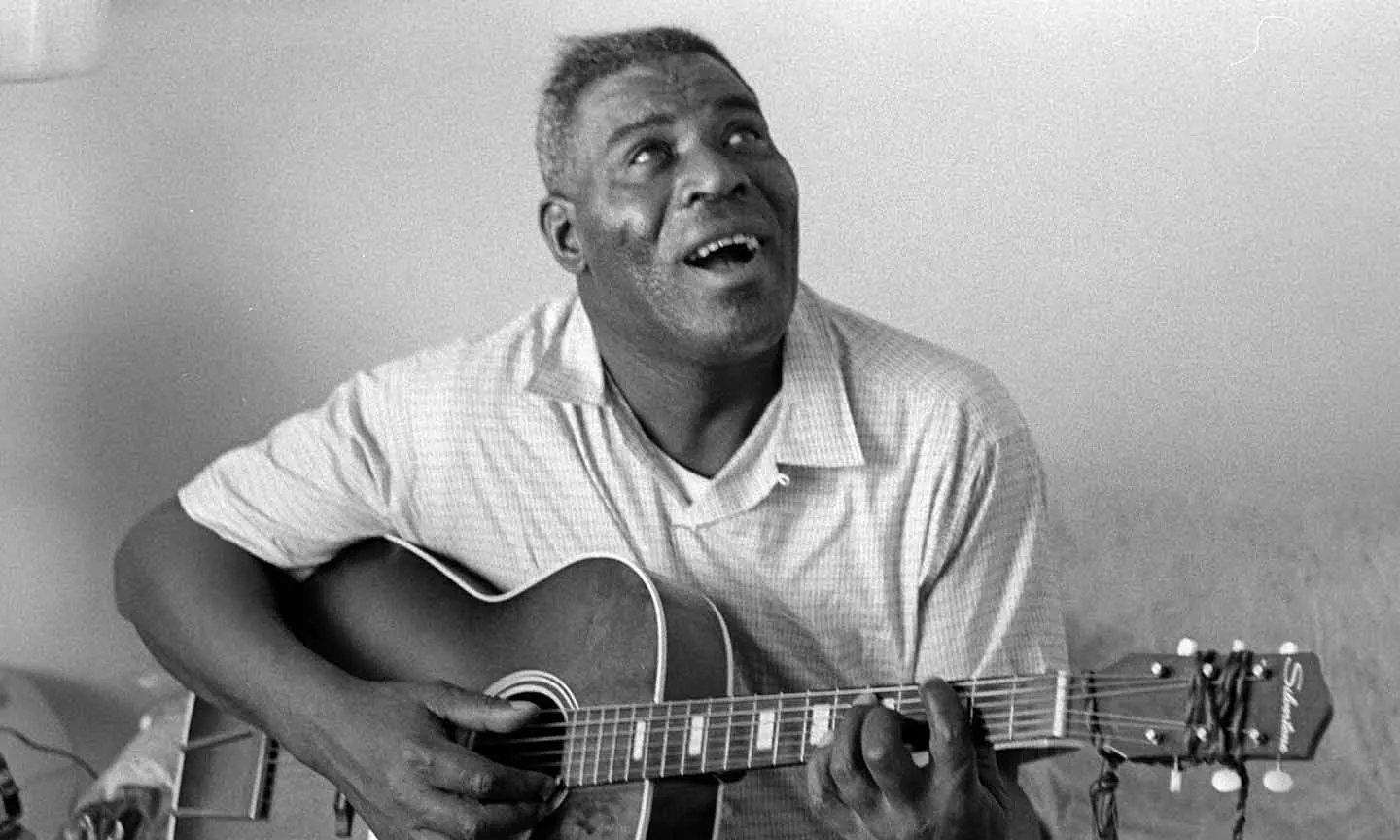
He howled like a hungry wolf, though on many of the best Howlin’ Wolf songs his voice sounded like a roar from a bear. He grew to be a big man, standing six feet three inches, and in one song claimed to weigh “300 pounds of heavenly joy.” Even his vast, guffawing laugh was enough to make you a shade uncomfortable: seconds later he’d be yelling into the mic with menace. You didn’t mess with Howlin’ Wolf.
Yet clearly, some folk did. “I Asked For Water (She Gave Me Gasoline),” he moaned in 1956. “I’ve Been Abused” was another complaint: a story that was told in 12 lines – some of them repeated, but nonetheless affecting for it. Wolf’s stance was that he’d been exploited, taken for a fool, but it was going to stop right now. And when he was fighting back, he’d do it in style, as “Sitting On Top Of The World” made clear.
Wolf was born on June 10, 1910. His mama knew him as Chester Burnett, and the other kids would call him Big Foot Chester, but, growing up shoeless in White Station, Mississippi, his grandfather told him tales of the howlin’ wolves that would get him if he was bad; the man-sized child decided that was a name he could work with. He grew up idolizing Jimmie Rodgers, the country singer known as The Blue Yodeler; Wolf tried to copy him but his yodel turned out to be more of a howl. He could work with that too. Wolf learned guitar – and showmanship – from Charlie Patton, the area’s top bluesman, whose songs bands still play. Parties and juke joints soon rocked to Wolf’s guitar and raucous vocals.
After a spell in the Army during the war, he moved to West Memphis in 1948 and formed a group that became popular in the clubs, with Wolf’s rudimentary electric guitar joined by two other axe-slingers and a pianist known only as Destruction, a name which should tell you all you need to know about the band. Pretty soon Wolf was on the radio and began his recording career at Sam Phillips’ Memphis Recording Service in 1951. One of the best Howlin’ Wolf songs committed to tape was “How Many More Years,” issued on Chicago’s Chess label. It was an auspicious start: the song has since become a blues standard, covered by Little Feat and Joe Bonamassa, among others. The B-side, “Moanin’ At Midnight,” was, according to Sam Phillips, “the most different record I ever heard.” Quite a statement from the man who discovered a one-man musical revolution called Elvis Presley.
A year later, Wolf moved to Chicago, ostensibly to cement his relationship with Chess, which had signed him after tussling for his contract with another label, RPM. But Wolf was also part of a great migration north by African-Americans in search of a better (albeit faster and more industrial) life. He didn’t really have any choice: Chicago was where his audience was, and he needed a piece of that big-city pie. While Wolf adopted a hard-done-by attitude – and no doubt genuinely felt that way, having grown up in the depressed south – he earned a good living and was financially astute, partly thanks to the bookkeeping of his wife, Lillie. Even so, Wolf had little schooling and was effectively illiterate. But he didn’t need to read sonnets in order to write lyrics that got his deepest feelings and fears across, and didn’t need no dictionary to read an audience. A compelling performer, he could scare the wits outta you one moment and tug your heartstrings the next. There was no bluesman more affecting. He played the Wolf to the full in his songs, singing about a “Tail Dragger” and warning that “The Wolf Is At Your Door,” but as the best Howlin’ Wolf songs prove, Chester Burnett was no novelty act. One blast from his mighty larynx would tell you that. He joked, but he didn’t play around.
Listen to the best Howlin’ Wolf songs on Spotify.
Wolf formed another band in Chicago and, a year or so later, guitarist Hubert Sumlin had joined him from Memphis. An unassuming man, Sumlin was a key part of Wolf’s sound, the sweet subtlety of his playing the perfect foil for the singer’s sheer firepower. Wolf’s wily ways with money gave him the means to pay his musicians better than anyone else on Chicago’s blues circuit, so he could employ more or less anyone he wanted. Sumlin made his first appearance on record with the Wolf on 1954’s “Evil (Is Going On).” Wolf, wanting the best for his sidemen, even paid for Sumlin to take lessons from a classical guitar tutor at Chicago’s Conservatory Of Music. By now, bass player Willie Dixon was playing on Wolf’s sessions and writing many of his singles, though Wolf sometimes complained about this because he was a formidable writer in his own right. Wolf moaned about a lot of things; that’s what a Wolf does. He couldn’t have been that angry, however: “Forty Four (I’m Mad)” made it plain that drastic steps would be taken if he was.
In 1956, Wolf unleashed a monster that remains among the very best Howlin’ Wolf songs: “Smokestack Lightning.” While the blues is often presented as a three-chord 12-bar cliché, the song dispensed with two of those chords and such a structure, delivering a churning riff from Sumlin over a gut-pummeling backing. Wolf had begun playing a version of the song down south in the 30s, and had used some of the lyrics in 1951’s “Crying At Daybreak.” But “Smokestack Lightning” was the definitive version. In fact, it was the definitive Chicago blues record. Wolf would act it out on stage as if he was boarding the train of the title, or watching it roar by. The song was plundered by 60s rock bands, including The Yardbirds, who opened their sets with it.
Like many blues singers, the Wolf was often concerned about fidelity: lyrically, he was either sneakin’ around with other men’s women (“Back Door Man,” 1961; famously covered by The Doors for their first album), or other men were sneakin’ around with his (“Somebody In My Home,” 1957). “Sitting On Top Of The World” (also ’57) took it a stage further: he’d worked himself to the bone yet his woman had still left him. Great, now he didn’t have to worry or graft so hard. But Wolf had other interests too, as “The Natchez Burning” made clear. Though it was cut in ’59, the subject matter goes back to 1940, when an inferno gutted the Rhythm Club in Natchez, Mississippi, tragically killing 209 revelers and musicians. His definitive (and first) version of Willie Dixon’s “Spoonful” (1960) found him expounding on equality and jealousy. “Wang Dang Doodle” (1961), on the other hand, was all about a party.
Wolf entered the 60s at the pinnacle of his profession: Chess began releasing albums by him in 1959, and the blues was about to get big in Britain. But Wolf was already 50 as the decade turned. He had the song, the voice and the band, but he was no teen idol. His fantastic 1961 single “The Red Rooster” was covered by The Rolling Stones, which made No.1 in the UK. His mid-60s classic, “Killing Floor,” was covered by Hendrix and formed the basis of Led Zeppelin’s “The Lemon Song,” but was not a pop hit. The Stones had Wolf as a support act when they appeared on TV show Shindig!, but their patronage could not make him a rock star. So Chess put him in the studio to record The Howlin’ Wolf Album, an outright psychedelic blues record. Wolf hated it: he could make enough fuzzy noise on his own, and he was one of the first electric bluesmen, so he was hardly the Luddite the album cover led listeners to believe. In fact, he’d even recorded a fine funky blues, “Pop It To Me,” in 1967, though it was not a hit.
Wolf sounded great playing the songs he was known for in a funky psych setting, even if the production was OTT and his traditional fans were baffled. However, the single, a new version of “Evil,” did make the Top 50 on the R&B chart. A further album, 1971’s The London Howlin’ Wolf Sessions, put him in the company of various Stones, plus Eric Clapton, Ringo Starr, and more familiar musicians, including Hubert Sumlin. These were artists that learned their craft listening to the best Howlin’ Wolf songs, and their collaboration with their hero made No.79 on the US charts. This more subtle rock update on Wolf’s sound worked well, as “Rockin’ Daddy” makes clear.
Wolf suffered several heart attacks during the early 70s, but the big man, against doctors’ orders, continued to perform – often sitting down and singing only six songs at a time. He passed away on January 10, 1976, following kidney surgery. But the globe still shakes to the deep, roaring voice of the Howlin’ Wolf: generation after generation adores his music, because it was real, honest, and utterly unique. For how many more years? For as long as the blues is loved, the best Howlin’ Wolf songs will resonate down the generations.
Browse Howlin’ Wolf’s music on limited edition vinyl and CDs here.
Continue reading...
0 Replies
·
2 views
Replies
Legacy View
Stu Hackel
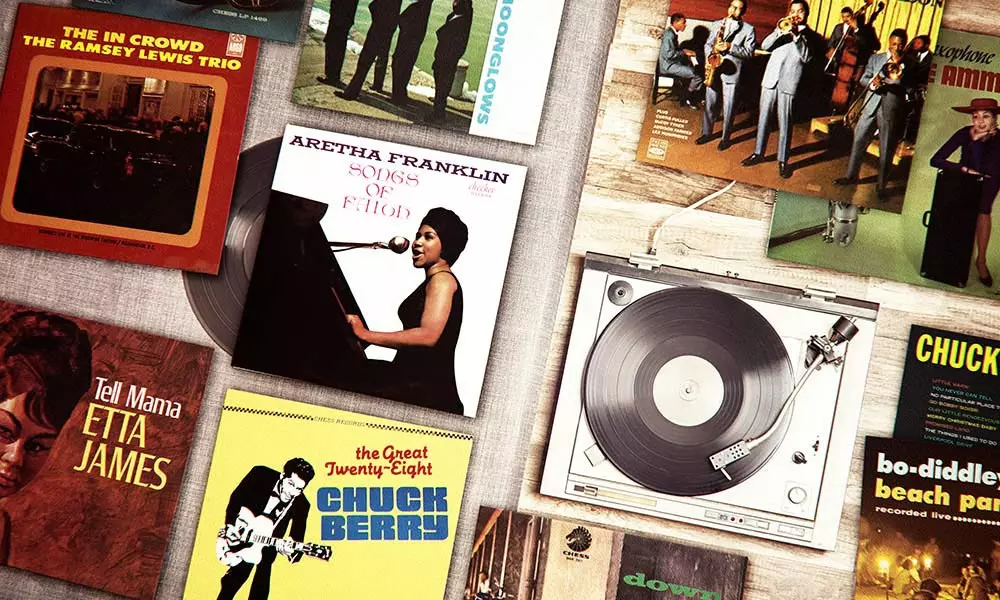
What makes an album great? Consistency of quality certainly helps, and to take it a step further, some sort of coherence or unity from start to finish, or a unifying concept. Satisfy those conditions and you’re on your way to a great LP. In selecting the best Chess albums to own on vinyl, the aim was to find cohesive music but steer clear – where possible – from compilation LPs. Not because they’re not great. On the contrary, if you get one, you’ll probably enjoy every track. But hearing a non-“best of” album with a consistently pleasing, unified selection of songs is pretty special – and that’s the aim here.
One caveat, however: a great many Chess vinyl albums are exceedingly rare and probably missing from this list due to the simple fact that they have been out of circulation for decades. A few of them are included below in the honorable mentions section, so take this less as a definitive list of the best Chess albums ever, and more of a starting point on your journey. And for those unable to find these albums on their original format, we’ve included digital alternatives where we can.
And, of course, if you can think of any additions to this list of the best Chess albums to own on vinyl, let us know in the comments section.
Click to load video
The 25 Best Chess Albums To Own On Vinyl
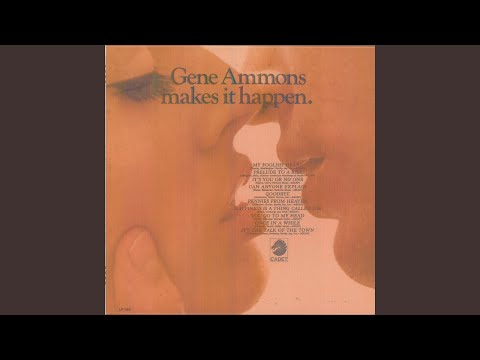
Gene Ammons: Soulful Saxophone
Released in 1958 (and reissued with an alternate title, Makes It Happen, in 1967), this set collects the sides from Jug’s 1950 session that produced the first Chess single, the wistful “My Foolish Heart,” and his other single releases from that date. All 10 tracks, largely standards and all ballads, share the same dreamy nocturnal feeling with Ammons’ thick tenor sound bathed in reverb, uncommon at the time and transporting the listener to a satisfying, soulful spot.
Click to load video
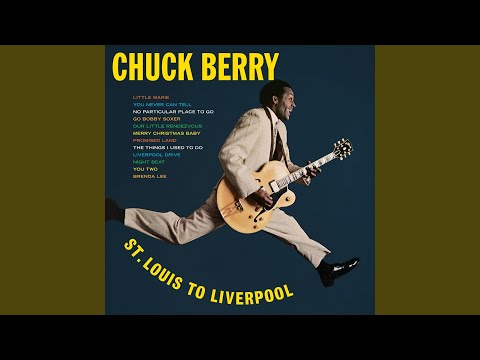
Chuck Berry: St. Louis To Liverpool
The four hits on his 1964 comeback LP are significant and exceptional. The comedy “No Particular Place To Go,” the wise “You Never Can Tell,” the epic “Promised Land,” and the yearning “Little Marie.” But it’s the other tracks that provide this LP’s consistency, and at least four allude to Chuck Berry‘s crime and punishment under the Mann Act. “Our Little Rendezvous,” “Go Bobby Soxer,” the cover of Guitar Slim’s “The Things I Used To Do” and “Little Marie,” the tale of love left behind. Perhaps that’s why, 15 years later, rock critic Dave Marsh called St. Louis To Liverpool “one of the greatest rock’n’roll records ever made,” cementing its place as one of the best Chess albums in history.
Click to load video
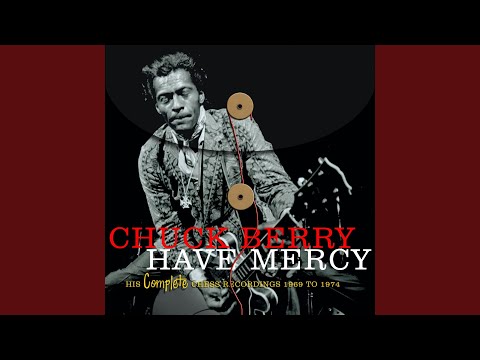
Chuck Berry: The Great Twenty-Eight
Yes, it’s a hits package, but it’s also history: the sound of rock’n’roll shedding its training wheels. The best compilation of Chuck Berry’s pioneering 28 big and small hits available, issued originally as a double-LP at the dawn of the CD age, The Great Twenty-Eight was digital ever after, until 2017, when it was pressed onto polyvinylchloride once again. Everything here is from the first nine years of Berry’s Chess output, so there’s no “My Ding-A-ling.” Chances are, you won’t feel its absence.
Click to load video
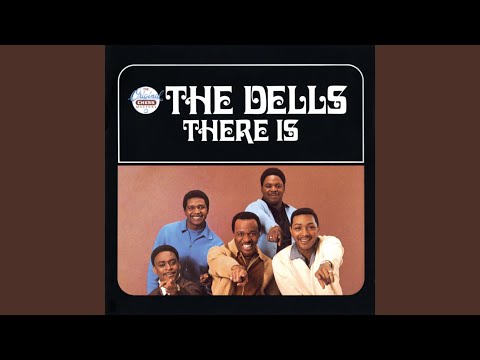
The Dells: There Is
The quintet DJs called “the pride and joy of Harvey, Illinois” delivers 12 killer tracks on their 1968 debut Cadet LP that alternate between stompers and ballads. Fourteen years after forming as The El-Rays, The Dells blended doo-wop harmonies with 60s soul thanks to producer Bobby Miller and arranger Charles Stepney. Intertwined lead vocals by raspy baritone Marvin Junior and falsetto tenor Johnny Carter shine brightly on tracks such as “When I’m In Your Arms,” “Close Your Eyes,” “Please Don’t Change Me Now” and “Stay In My Corner,” the elongated hit single follow-up to the Motown-esque title track.
Click to load video
Bo Diddley: Bo Diddley’s Beach Party
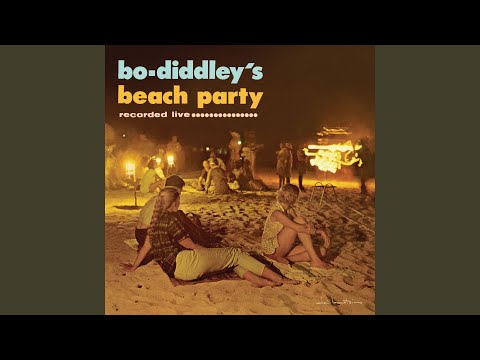
For those seeking the roots of early punk rock in Bo Diddley‘s music and attitude, this could be Exhibit A. One of the best Chess albums to start your collection with, it remains a live document of Bo’s passion, raw simplicity, and power in front of 2,000 fans in Myrtle Beach, South Carolina, in 1963. “Road Runner” stands out, but everything crackles with rocking rhythm. Culled from two nights of recording, the second was cut short, according to label historian Nadine Cohodas, when Bo’s sideman Jerome Green jumped offstage playing the maracas, and white girls gathered around him to dance. Enforcing local segregation laws, the police pulled the plug on the show.
Click to load video
The Art Farmer-Benny Golson Jazztet: Meet the Jazztet
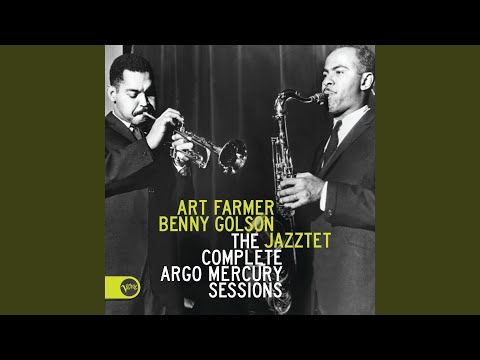
If only because it includes three top Golson compositions – “I Remember Clifford,” “Blues March” and “Killer Joe” – this 1960 LP is worth having. Add to that a few well-chosen standards and buoyant performances by the front line of trumpeter Farmer, tenor saxman Golson, and trombonist Curtis Fuller, plus a rhythm section that includes a 20-year-old McCoy Tyner on piano, Farmer’s brother Addison on bass, and underappreciated Lex Humphries on drums, and you have an essential hard bop album. The longer LP version of “Killer Joe” includes Fuller’s solo, edited out of the Argo 45; for those struggling to find the original, the recordings were later issued as part of The Complete Argo Mercury Sessions.
Click to load video
Aretha Franklin: Songs Of Faith
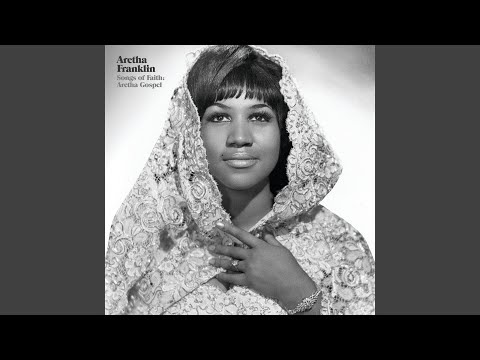
The Queen Of Soul was 14 when these songs were recorded live at her father’s church in Detroit, accompanying herself on piano, already possessing confident mastery of this material while the congregation spurs her even higher. Released on a small label in 1956, Chess reissued the recordings for the first time in 1965, still a couple of years shy of Aretha’s breakthrough; it would later re-emerge under various titles, among them The Gospel Soul Of Aretha Franklin and Aretha Gospel. But there is no mistaking the voice on this LP – it’s the same fully formed, musically intelligent voice that would stun the world in 1967.
Click to load video
Ahmad Jamal: Chamber Music Of The New Jazz
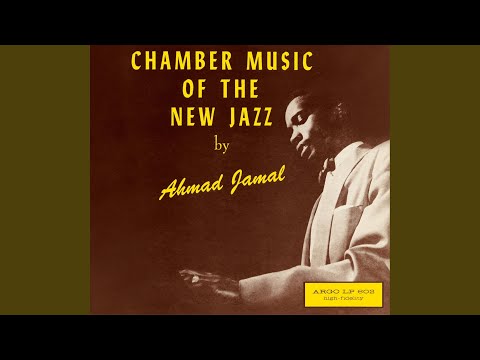
1958’s … At The Pershing LP is often cited as a major jazz LP, but its 1956 predecessor can fairly claim to be one of the best Chess albums on offer. Chamber Music… helped launch Chess’ Argo imprint as a jazz label, and this version of Jamal’s trio featured a piano, guitar and bass line-up. Beyond their sophisticated, quietly pleasing sound, Jamal’s minimalist use of space became highly influential on Miles Davis and arranger Gil Evans. Two years later, the Argo LP was groundbreaking in a few ways, not the least of which was sales, as it stayed on the charts for over two years. An unusual live lounge recording, its popularity stemmed not just from “Poinciana,” but also the more conventional band line-up and the exquisitely spare touch exhibited throughout.
Click to load video
Etta James: Tell Mama
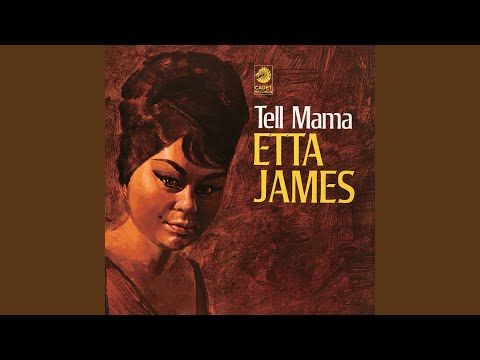
Noting the success Atlantic Records had by sending Wilson Pickett and Aretha Franklin to Muscle Shoals, Leonard Chess correctly figured it would work for Etta James as well – and he was right. Not only did she get hit singles, she put down a dozen emotive tracks that made it seem like the house band was created just for her, resulting in one of the best Chess albums from the label’s soul period. The title song and a cover of Otis Redding‘s “Security” were hits off Tell Mama, and tracks like “I’m Gonna Take What He’s Got” stand with the best soul music of the era. And, of course, there’s “I’d Rather Go Blind.”
Click to load video
Etta James: Etta James
Grammy-nominated when released on Chess in 1973, this largely dark, angry set might have been targeted to rock fans, but its rage remains universal, and it was fuelled by Etta’s own struggles with addiction and the law. “God’s Song,” one of three excellent Randy Newman covers, is a mind-blower, but each bitter track strikes a nerve, notably the “Superfly”-ish opener, “All The Way Down,” and “Only A Fool” (which incorporates the chorus of Bobby “Blue” Bland’s “I Pity The Fool”) and the deceptive desperation of “Lay Back Daddy.” The only respite – sort of – is the pleading finale, Otis Redding’s “Just One More Day.”
Click to load video
The Ramsey Lewis Trio: The In Crowd
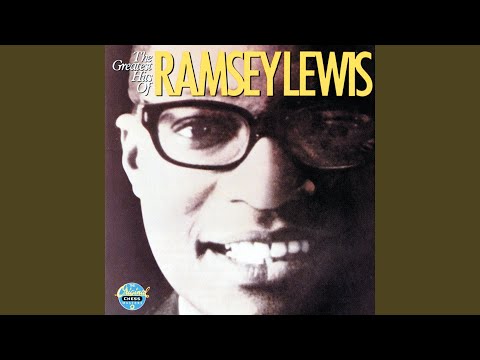
The commercial and popular apex of the trio – Lewis on piano, Eldee Young on bass and cello and Red Holt on drums – was captured live for this 1965 Chess LP before a responsive audience at Washington, DC’s Bohemian Club. Side One kicks off with an unedited version of the title song, their biggest single, a jazz cover of Doby Gray’s pop hit. Lewis finds the blues in most songs but Holt’s light touch and Young’s strong foundation (plus his cello work on “Tennessee Waltz”), and his vocally urging the proceedings along, also stand out on this Grammy-winning and No.1 R&B chart LP.
Click to load video
Laura Lee: Love More Than Pride
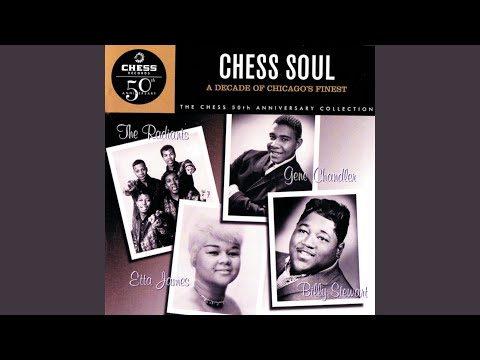
Starting out as a member of Detroit gospel’s famed Meditation Singers (which recorded for Chess’ Checker imprint), Laura’s secular output for Chess deserved more attention. Her only Chess LP, this 1972 compilation was culled from sides recorded in Chicago and Muscle Shoals, and released after she began making hits for Hot Wax. The two Curtis Mayfield covers (which were on the same single) and Kenny Rogers’ “But You Know I Love You” work well. The terrific “Dirty Man,” Lee’s biggest Chess single, and the strong title song, her final Chess release, show off her earthy, bold Southern soul vocals and enhanced sympathetic production. Besides recognition, all that’s missing is the equally good follow-up to “Dirty Man,” “Uptight Good Man,” though you’ll find that – and Love More Than Pride itself – on the 2006 collection Very Best Of Laura Lee.
Click to load video
Little Milton: Grits Ain’t Groceries
All four of Little Milton’s strong soul-blues Checker LPs could make this list, and this final one, released in 1969, may top the list of his best Chess albums. His voice is in top form, with a convincing versatility on tender ballads such as “I’ll Always Love You,” rave-ups like the Titus Turner classic title song, and stone blues like “Did You Ever Love A Woman.” Milton’s guitar cuts to the bone (listen to “I Can’t Quit You”) and the horn section perfectly punctuates each track thanks to Gene Barge’s arrangements. Albums like this helped Chess remain a force among blues fans into the 70s.
Little Walter: The Best Of Little Walter
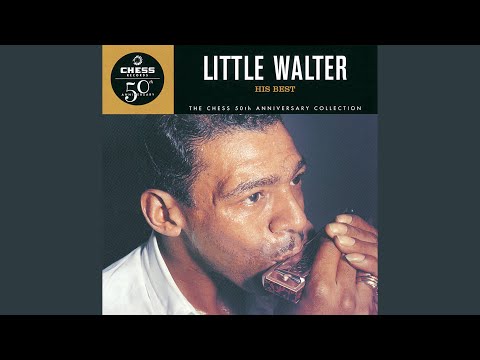
He was the man who reinvented the wheel, which you’re not supposed to do. But Little Walter‘s virtuosity gave the harmonica a new dimension and he forever changed its sound and role in the blues. A case can be made that the sound he produced separated Chicago blues from all others. We’re talking about the original 1957 LP, though most subsequent collections will include the hits: “My Babe,” “Blues With A Feeling,” “Juke,” “Mean Old World” and more – giving a generation (or three) lessons they’re still digesting.
Click to load video
MJT+3: Daddy-O Presents MJT+3
A remarkable and intelligent hard bop 1957 debut on Argo from a young Chicago quintet noteworthy less for its virtuoso soloing than its sympathetic and harmonic interaction, but there’s no mistaking the virtuosity of the players here: Paul Serrano on trumpet, Nicki Hill on sax, Bob Cranshaw on bass, Walter Perkins on drums and Richard Abrams on piano. Abrams’ work is especially adventurous and he wrote the five originals on this disc.
Click to load video
James Moody: Cookin’ The Blues
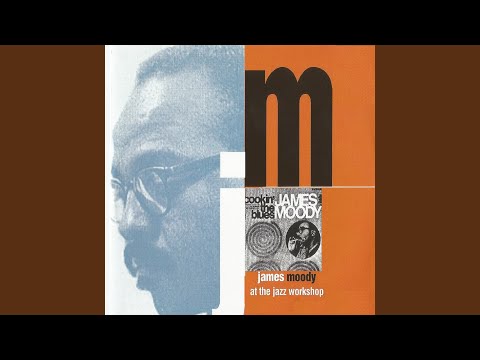
This live San Francisco date from 1961 (reissued in 1998 at At The Jazz Workshop) showcases Moody on alto, tenor, and flute, and his septet, plus vocal pioneer Eddie Jefferson, excelling on two selections. Moody’s ability to make his small groups sound like big bands is on display here, but he takes most of the solos and each one shines with inventiveness and surety on one of the best Chess albums from the label’s jazz stable.
Click to load video
The Moonglows: Look, It’s The Moonglows
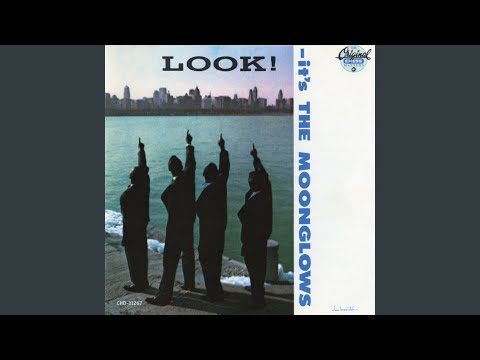
One of many benefits of vinyl: the two sides of this LP have different intentions. Ballad-heavy Side One seems intended as a soundtrack to uninterrupted romance. The attempt to update the genre with strings doesn’t terribly detract from the harmonies, and probably worked as well as any Frank Sinatra album. The minimal instrumentation on Side Two, starting with the ’58 hit “10 Commandments Of Love,” reveals the group’s “blow-harmonies” at their best. The sun was setting on the doo-wop era when this 1959 album came out, but this collection of recordings starting in ’57 remains a tribute to the human voice as a musical instrument, and one of the best Chess albums from its first decade.
Click to load video
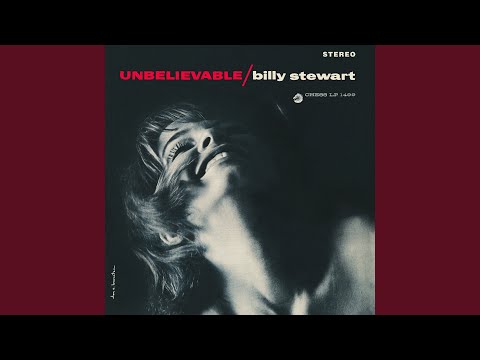
Billy Stewart: Unbelievable
You won’t find a happier marriage of soul music and The Great American songbook. The longer version of Stewart’s brilliant hit single reworking of “Summertime” on this 1966 Chess album has an extended vocal vamp in the middle. While the other 11 standards here aren’t as radically re-imagined (though “That Old Black Magic” also gets special treatment), they are all still wonderfully transformed by Stewart’s unique soulful scat, and the swinging arrangements by Phil Wright provide a perfect setting, at times pushing Stewart to show his jazz chops.
Click to load video
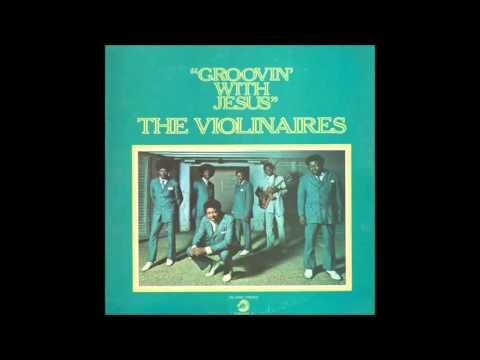
The Violinaires: Groovin’ With Jesus
This gospel group’s eight earlier Checker LPs contained their fine singles and other tracks performed in the tradition of the great quartets of the mid-20th Century. And if you can find any of them, grab them. By 1971, things had changed – and so did the group. Led by dynamic vocalist Robert Blair, The Violinaires adopted funkier arrangements for this record and looked to the pop charts, embracing lyrics with social concerns and stretching the lengths of the tracks. Their five-minute take on Buddy Miles’ “We Got To Live Together,” for example, owes much to Sly & The Family Stone. They also cover George Harrison‘s “My Sweet Lord,” Hair’s “Let The Sunshine In” and Ocean’s “Put Your Hand In The Hand.” While the six- minute-plus “Take Me” hearkens back to more traditional fare, this adventurous gospel-funk project neatly balances the secular and the spiritual.
Click to load video
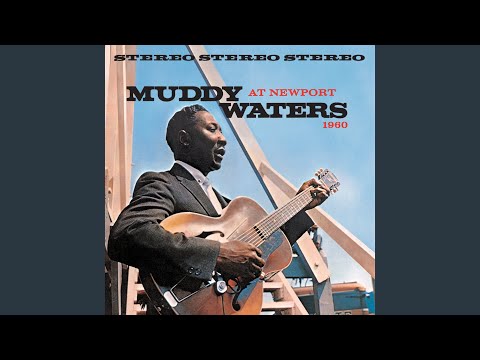
Muddy Waters: At Newport 1960
Documenting Muddy Waters‘ triumphant debut in front of a largely white audience, you can easily pick up the growing enthusiasm of the crowd, band, and Muddy himself as the set barrels forward. Film of the performance shows Muddy dancing with harp ace James Cotton during the reprise of “I’ve Got My Mojo Working,” and the audience screams come through on the record, too. Otis Spann’s piano also stands out, but it was Muddy who took center-stage and never surrendered it.
Click to load video
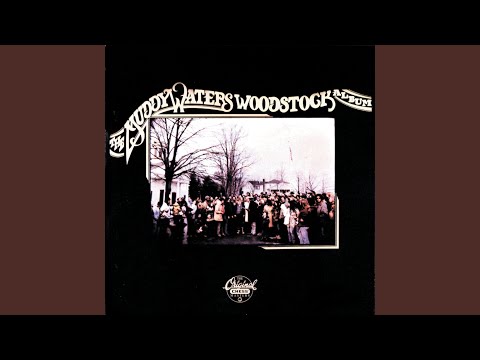
Muddy Waters: The Muddy Waters Woodstock Album
Muddy’s overlooked final Chess LP, from 1975, also tops the list of the best Chess albums recorded during the one of the label’s late 60s all-star jam sessions. Initiated by The Band‘s drummer, Levon Helm (who also plays some bass), this included fellow Band-mate Garth Hudson, Paul Butterfield (who shines on harp), Muddy’s pianist Pinetop Perkins, guitarists Bob Margolin and Fred Carter, and Howard Johnson on sax. The session, captured in upstate New York, finds Muddy relaxed and happy, as the studio chatter between songs reveals. The mix of classics such as “Kansas City” and “Caldonia,” plus originals (including a couple from Muddy) display everyone’s versatility within this cohesive, rootsy set.
Click to load video
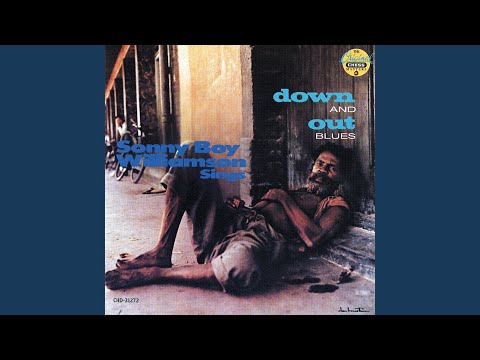
Sonny Boy Williamson: Down And Out Blues
Another great feature of vinyl is liner notes. In addition to 12 landmark tracks that collected his first seminal singles, this 1959 Chess LP features an essay by renowned Chicago writer Studs Terkel, who perfectly summarizes the essence of Sonny Boy’s art, writing, “With a background, rock’n’roll in nature, we hear a dozen short stories. In a number of instances, the year, the place, the hour – all down as a piece of court reportage.” Amid literary references, Turkel compares Sonny Boy‘s mastery on Side One to the ease with which Hall Of Fame pitcher Rube Wadell might strike out sandlot kids. “Then,” he continues, “on the second side, he pours it on.”
Click to load video
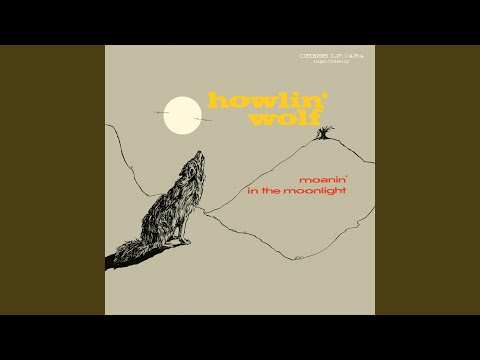
Howlin’ Wolf: Moanin’ At Midnight/Howlin’ Wolf
Fans have debated forever which of Howlin’ Wolf‘s first two Chess LPs is superior, Moanin’ At Midnight (from ’49) or “The Rockin’ Chair Album” (so dubbed because of the cover image). Both will rank among the best Chess albums in any serious collection. Proponents of the second record point to the tracks that became blues standards: “Wang Dang Doodle,” ‘Spoonful‘, “Little Red Rooster” and “Back Door Man.” Adherents to the debut might counter that Wolf never sounded more engaged and menacing than on that record. Best thing is to get them both.
Click to load video
Honorable Mentions
Some of the best Chess albums are today nigh-on impossible to find in their original vinyl pressings. Here are just a few that committed collectors will do well to hunt down.
Etta James: Rocks The House
Her 1964 live LP, on which she’s backed by a small group as opposed to her highly produced studio efforts, deserves to be on any best Chess albums list.
Jimmy McCracklin: Jimmy McCracklin Sings
The terrific and prolific West Coast blues singer cut one LP for Chess which was released in 1962. Jimmy McCracklin Sings included his ’58 hit, “The Walk,” and 11 other great R&B tracks.
The Dells: Musical Menu/Love Is Blue
Both of these Cadet LPs are rarities that each have a full complement of hits and strong album cuts that merge doo-wop with 60s/70s-era soul.
Rotary Connection Cadet Concept LPs
Minnie Riperton, who made her debut as a Chess artist singing with The Gems, later joined Rotary Connection as lead singer in this experimental psychedelic soul/rock group noted for radical reworkings of well-known songs. They recorded six LPs for Cadet Concept (Rotary Connection, Aladdin, Peace, Songs, Dinner Music, and Hey, Love), and still enjoy a cult following.
Checker/Chess Gospel LPs
Largely recorded in the 60s, Chess and Checker gospel LPs are very hard to find, but worth the search if you can afford them. Some highlights: Reverend CL Franklin, Aretha’s father, who was a religious and political leader out of Detroit, released an astounding 57 sermons on Chess that are hugely popular with the gospel set. The post-Sam Cooke Soul Stirrers also had a few Checker and Chess LPs, including one of secular songs, and a tribute to Cooke with the marvelous track “Slow Train.”
Chess Comedy LPs
Chess released LPs by two legendary comedians: Moms Mabley had at least 14 Chess albums and Pigmeat Markham released at least 15. Grab ’em if you can find ’em.
Browse our Chess Records collection featuring limited edition vinyl and CDs here.
Continue reading...
0 Replies
·
2 views
Replies
Legacy View
Kyle Kramer

Say it’s 1704, and you’re seated in the room with the most powerful man in the world, the Kangxi Emperor. The Qing Dynasty is in full swing, and the emperor is building a legacy that will still be felt some 300 years later—specifically by me, a guy from the United States, standing outside that emperor’s palace, the Forbidden City, in Beijing in the fall of 2008, listening to Lil Wayne. The Kangxi Emperor is a man who can make the earth tremble where he walks, and, ensconced there in one of those fabled 9,999 rooms, he no doubt says all kinds of things that feel earth-tremblingly important to those present. Say it’s 1704, and you are there.
Alas we, here in the present, have no idea what those words might have been. We know that in 1704 the Kangxi Emperor gave court officials a copy of his works of poetry. This much is on the Palace Museum’s website. But what did it feel like to be in that room? It’s lost to history. What remains is the palace itself. It is unfathomably huge. It’s a pretty impressive monument any way you look at it.
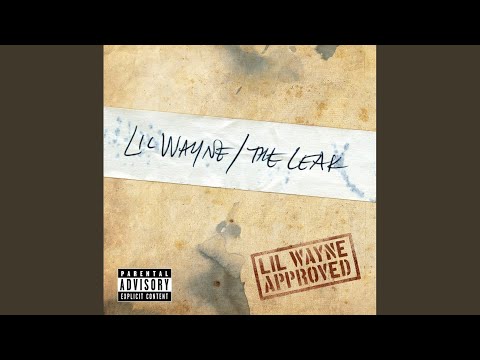
When I think of Tha Carter III, I find myself in front of those walls. I was living in Beijing in the fall after the album came out, and I would go for long walks around the city listening to rap music on my shitty flash drive MP3 player. I remember standing by the palace, heading into Changpuhe Park, strolling toward the commercial chaos of Wangfujing. I had a copy of the deluxe, two-disc edition of the album, and I was as dumbstruck by the procession of Lil Wayne’s lyrical ideas on those previously leaked bonus tracks as I was by the procession of a thousand years of Chinese history. “Why do rappers lie to fans, lie to rappers? / Lot of rappers lie like actors, cut the motherf–kin’ cameras,” Lil Wayne rapped on “Gossip,” eviscerating his competition with the flashy nonchalance of complete dominance: “Cut the check, n—a, f–k your props / And make it out to Mr. Hip-Hop.”
Click to load video
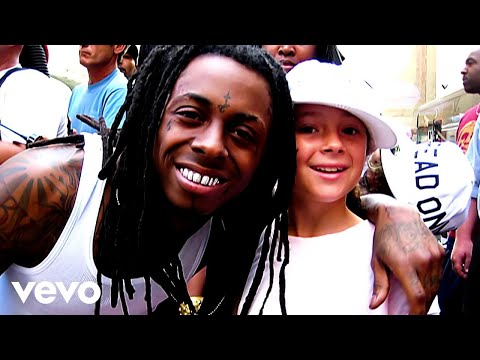
Just as there is no way to truly know what it was like to be within the walls of the Forbidden City centuries ago, it is hard in retrospect to understand the moment that Lil Wayne had created by the spring of 2008, as the world awaited the release of Tha Carter III. You can’t do a Google search for the mood that led to this guy selling a million albums his first week. You can load up all the most immersive VR experiences in the world, but you can’t go back and actually feel what it was like when that first version of “A Milli” leaked. There are no data sets that can explain the journey from Wayne claiming he was “the best rapper alive since the best rapper retired” to Wayne convincing the whole world he really was “me: must-see! TV!” If you don’t flout a few copyright restrictions, you can’t even hear the music.
Listen to Lil Wayne’s Tha Carter III now.
Click to load video
In 2008, the economy was collapsing, and so was the music industry. Conventional wisdom suggested that a leak was absolute doom for an album. When Tha Carter III leaked, Lil Wayne was so incensed he recorded an entirely new album. There are fans who still insist the leaked version was better, that Lil Wayne had a classic on his hands and threw it away. That may be true. Either way, conventional wisdom changed. The hype only grew. And if Tha Carter III failed to be the kind of classic the hip-hop world was anticipating – i.e. a laser-focused feat of virtuosity to cap the unparalleled mixtape and feature run that began shortly after the release of Tha Carter II – it became a different kind of accomplishment.
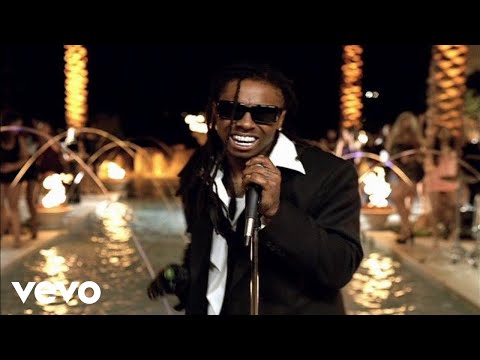
Tha Carter III is the fulcrum on which Lil Wayne’s career turned toward both international pop stardom and unapologetic, indulgent sonic experimentation. It is every Lil Wayne instinct, past and future, coalescing in one indescribable final product. There are feats of pure rap technique to make your head spin. There is a gimmicky R&B song about literally fucking the police and a song with Babyface. There are moments of Lil Wayne indulging his fascinations with Auto-Tune and playing guitar. There is an entire concept song about being an alien who eats rappers and another concept song about being a doctor trying to save said rappers from their lack of concepts and fifth-place rhymes. There is “Lollipop,” which sounds like it was recorded on a spaceship, or maybe in the empty vastness of space itself. That song presaged the next ten years of rap’s drift toward drug-addled melodies, and it remains perhaps the weirdest song ever to top the Hot 100.
Click to load video
Again and again, Lil Wayne reminds us that he’s not just making a rap album but rather building a legacy. “Next time you mention ‘Pac, Biggie, or Jay-Z, don’t forget Weezy baby,” he cackles on “Mr. Carter,” which is, not coincidentally, the song where Jay-Z passes his torch: “Young Carter, go farther, go further, go harder / Is that not why we came? And if not, then why bother?” On “Phone Home” – which, speaking of Jay-Z, swipes its Martian concept from a throwaway line on Wayne’s flip of Jay’s “Show Me What You Got” – Wayne raps, “They don’t make ’em like me no more / Matter of fact, they never made it like me before.” On “Let the Beat Build,” Wayne warbles a familiar claim: “I am the best rapper alive.” And there are, he says, again on “Mr. Carter,” “two words you never hear: Wayne quit!”
Wayne didn’t quit; in fact, he hurtled forward so aggressively after Tha Carter III, making the rounds of pop radio features and releasing all kinds of his own weird experiments, that the world-consuming album he had released became just part of the flow of music. Lil Wayne was never going to make a tightly packaged quote-unquote classic album – his mind is simply too prolific to have allowed it. He would rather get Juelz Santana and Fabolous on a track spouting off about the various ways they plan to turn people to pasta than stick to some tidy formula. He is perfectly content to ramble down the path of a whole song that just follows the concept of the beat getting bigger the whole time and trust that you, the listener, will understand how brilliant the idea is the moment they hear him rap, “I’ma take it one-two-way back / like a silk wife beater and a wave cap / or the wave pool / at Blue Bayou / and I waved, fool / as I blew by you / hello, hi you / I can buy you.” There is no way Tha Carter III could have captured all of Wayne’s brilliance. But there is also so much more brilliance on Tha Carter III than can possibly be captured by looking back on it. Like Wayne’s catalog as a whole, you just have to listen to it and get lost in it.
Most of history gets forgotten. Just ask those people hanging out there in the Kangxi Emperor’s court, whose whole big day of getting his poetry book has been reduced to one sentence on a website. But the key pieces remain, grand and palatial. A century from now, will anyone understand how electrifying Lil Wayne’s endless free-associative chaos felt as it snuck out online, as uncontainable as the internet itself? Fortunately, they won’t need to. We have “A Milli,” which will forever pop ’em like Orville Redenbacher and always remind us that even Gwen Stefani couldn’t doubt Wayne. We have “Lollipop,” which even in a hundred years will still sound a million years ahead of its time. Even if we were to let all the uncategorizable swirl of Lil Wayne’s unofficial catalog fall away – which we shouldn’t, but you never know – there will still be the anchor point that is Tha Carter III, all 9,999 chambers of it or 10,000 bars of it or, well, you understand history.
Lil Wayne’s Tha Carter III can be bought here.
Editor’s note: This article was originally published in 2018.
Continue reading...
0 Replies
·
2 views
Replies
Legacy View
Laura Molloy

Bright Eyes have issued a statement after their anniversary show had to be evacuated due to extreme weather.
Earlier this year, Conor Oberst and co. announced three shows to mark the 21st anniversary of their classic albums ‘I’m Wide Awake, It’s Morning’ and ‘Digital Ash in a Digital Urn’.
The first of the three took place at Colorado’s iconic Red Rocks Amphitheatre in May, which was followed by another later that month at the Hollywood Bowl in Los Angeles.
On Saturday (June 6), the band were due to play Forest Hills Stadium in New York. However, the gig was promptly shut down and evacuated due to severe weather – the same storm that also impacted that weekend’s Governors Ball.
Now, Oberst has issued a statement, telling fans they’re “still reeling and devastated” over the cancellation. “After over a year of planning, it’s been difficult to process our disappointment while also working through next steps,” he wrote.
Oberst went on to provide fans with “a clearer picture of what happened”. He wrote: “The storm on June 6 moved in fast and hit hard,” adding: “These kinds of decisions are made in constant real-time contact with meteorologists and city officials, and this one ended up being the worst-case scenario.
“We were cleared to play our ‘Wide Awake’ set, with the understanding that conditions could change rapidly,” he continued. “And that’s exactly what happened. As we walked off stage, we were told by the promoter and venue that the show had to be shut down immediately due to extreme weather risk for the safety of all.”
He continued: “For the record, we worked really hard for many months getting these 3 shows together and 2 of the 3 were affected by severe weather completely out of our control. Needless to say, we are feeling extremely sad, unlucky, maybe even cursed. We lost money on the whole endeavor and worst of all didn’t get to complete what we set out to do.
Fans who purchased tickets online via AXS will be automatically refunded in full. Those who bought from elsewhere are encouraged to contact their original point of purchase to request a refund. You can read the full statement below.
In other news, last year, Oberst showed up to his own lookalike contest in Omaha, gifting a bag of his clothes to the winner.
The year before then, the band dropped the album ‘Five Dice, All Threes’ to critical acclaim, which included collaborations with artists including Cat Power, The National’s Matt Berninger and the So So Glos’ Alex Orange Drink.
Speaking about the record in an interview with NME, the frontman said: “This time, I still hope the songs resonate and have equal amounts of meaning, but as far as the sounds and approach to the music, it’s a bit lighter.”
“The word ‘fun’ is very rarely used to describe my band, but maybe it is a bit more fun,” he continued. “When we last went on tour we were cruising around with a 14-piece band and strings and horns. This record is going to be just guitars; rock and roll stuff.”
The post Bright Eyes “devastated” for fans after losing money and evacuating anniversary show due to extreme weather appeared first on NME.
Continue reading...
0 Replies
·
2 views
Replies
Legacy View
Victoria Luxford

Toy Story 5 star Joan Cusack made a rare public appearance at the film’s premiere and discussed why she is more selective with her appearances in recent years.
The veteran actor walked her first red carpet in over a decade, with her output becoming increasingly sporadic in recent years. Toy Story 5 is her first movie since 2019, and her first acting gig since the 2020 TV show Homecoming.
Asked by Variety on the red carpet why she has become selective with her projects, she explained: “I think because I’ve worked for a long time and I’m so honoured to be able to work in this industry for a long time, but it’s also great to live your life and raise your kids and be in Chicago and be a normal person. It’s kind of priceless.”
When the interviewer said the crowd were “so excited” to see her, she replied: “Aw. Well, it’s kinda cool ’cause there’s not that many movies that do huge red carpets unless you’re doing like an action, superhero [film], so it’s cool.”
Known for her role as Jessie in the Toy Story franchise, Cusack has had a long and successful career in film and television. Her biggest hits include playing the villain in 1993 comedy Addams Family Values, School Of Rock, High Fidelity opposite her brother John Cusack, and the US version of the TV show Shameless. She has been nominated for two Oscars, for her performances in 1989 film Working Girl and 1998 comedy In & Out respectively.
Toy Story 5 is released June 19 in UK cinemas. Recently, Taylor Swift released an original song for the film, ‘I Knew It, I Knew You’, sung from the perspective of Cusack’s character Jessie. The Eras singer explained her long-running association with the franchise, having been a Toy Story fan since she was five years old.
The post Joan Cusack walks first red carpet in 11 years, explains absence from promo circuit appeared first on NME.
Continue reading...
0 Replies
·
2 views
Replies
Legacy View