


Social Feed
anyone else ever stumble on an album where the cover art is so bizarre it almost feels like a prank? like it has nothing to do with the music or even the vibe of the band. im not talking abstract or minimalist stuff, im talking full-on 'what were they thinking' territory. i found this one prog rock album from the 70s where the cover is just a photo of a guy holding a giant fish in front of a suburban house. no context, no explanation, and the music is about space travel. drops a link to the album art without comment. anyone got examples of stuff like this? bonus points if the music is actually good despite the wtf cover.
3 Replies
·
72 views
Bill Pearis
While the second day of Governors Ball 2026 wasn’t exactly a wash, severe weather cut the festival short, with a number of sets nixed, including Kali Uchis, Amyl and the Sniffers and Blood Orange, while Stray Kids and Major Lazer played earlier than they were originally scheduled. Pre-storm temperatures hit 90°, making things very sweltering.
GovBall have announced that Blood Orange has now been added to Sunday’s lineup and set times have been adjusted to accommodate:
Sunday’s lineup includes A$AP Rocky, Geese, Freddie Gibbs & The Alchemist, Hot Mulligan, Japanese Breakfast, Slayyyter, Fuckers, Dominic Fike, and more. Check out the updated Sunday GovBall lineup below, and stay tuned for pictures from days one and two.
Continue reading...
GovBall have announced that Blood Orange has now been added to Sunday’s lineup and set times have been adjusted to accommodate:
Sunday’s lineup includes A$AP Rocky, Geese, Freddie Gibbs & The Alchemist, Hot Mulligan, Japanese Breakfast, Slayyyter, Fuckers, Dominic Fike, and more. Check out the updated Sunday GovBall lineup below, and stay tuned for pictures from days one and two.
Continue reading...
0 Replies
·
0 views
Replies
Legacy View
Charles Waring
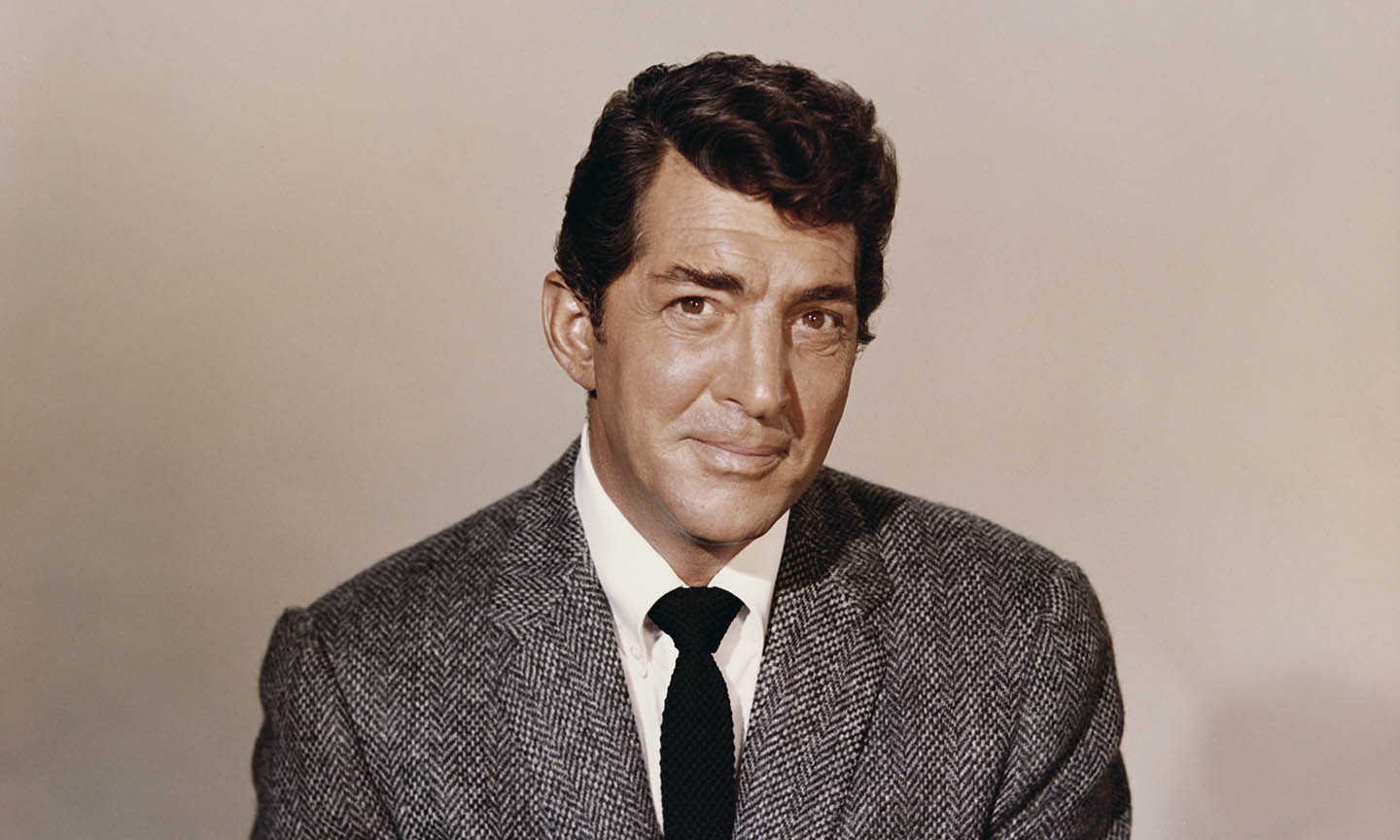
“In a tuxedo, I’m a star. In regular clothes, I’m a nobody.” So said Dean Martin, a man of many faces. Velvet-voiced crooner of some of the best songs of the 20th century. Hollywood movie icon. Genial TV show host. Wise-cracking comedian. Golden Globe winner. Welterweight boxer. Celluloid secret agent Matt Helm. The list goes on. Though his accomplishments were many and varied, his jokey demeanor and casual manner often masked the fact that he was a supremely talented all-round entertainer. Debonair Martin didn’t have to try hard to be cool, it came naturally and effortlessly, along with his vocal talent, comedic timing, and good-natured affability.
“It’s Frank’s world, we just live in it,” Martin once famously quipped. Perhaps because of that, some regarded Martin as little more than a satellite orbiting around the shining sun that was Sinatra. But one look at his career stats reveals that he never lived in Ol’ Blues Eyes’ shadow. He appeared in 58 feature movies, hosted 264 episodes of the Golden Globe-winning The Dean Martin Show, and enjoyed more than his fair share of hit records during a storied music career that saw him release 125 singles and 35 studio albums between 1948 and 1985. Since his passing in 1995, Martin hasn’t been forgotten, and his music, which has appeared in countless movie soundtracks in the last 30 years, ranging from Casino to Mission: Impossible – Ghost Protocol, has inextricably woven itself into the fabric of popular culture.
Ranging from lush, Italian-style romantic ballads and cool, finger-clicking big band swingers to easy-listening lounge pop and storytelling country and western songs, Martin could do just about anything. Just how versatile he was is reflected in the songs highlighted below, a mixture of familiar signature songs, fan favorites, and some overlooked gems. They are all rendered with the cool panache that became synonymous with the singer whom Sinatra once described as “the best partner I ever had.”
Looking for the best Dean Martin songs? Order Dean Martin’s Greatest Hits on vinyl now.
Rising to the top
Born Dino Paul Crocetti in Steubenville, Ohio, in 1917, Dean Martin was the son of an Italian barber who arrived in America four years earlier and married a local Italian-American girl. Music captured young Dino’s attention at an early age, but when he quit school at ten, claiming he knew more than his teachers, pursuing a music career seemed the last thing on his mind. As a teenager, he went through many unfulfilling jobs, from being a drugstore soda jerk to a gas station pump jockey. He also bootlegged liquor on the side, and earned a few dollars as an amateur welterweight boxer under the alias “Kid Crochet.”
Martin’s career path changed to music when he worked as a blackjack croupier at a local gambling joint. Relaxing after work at Walker’s Cafe, he was overheard singing by bandleader Ernie McKay, who was struck by Martin’s smooth Bing Crosby-influenced baritone croon and offered him $50 a week to sing with his band. Adopting the stage name Dino Martini, Martin was quickly poached by another bandleader Sammy Watkins, who signed him to a ten-year contract and persuaded him to become Dean Martin. He cut his first record, “Which Way Did My Heart Go,” a single for Diamond Records, before joining Capitol Records in 1948. By then, Martin had also teamed up with comedian Jerry Lewis to create a slapstick double-act. Their growing popularity rapidly saw them go from nightclubs to radio broadcasts, TV, and eventually, movies. Martin had already begun his ascent as a popular solo artist before they split in 1956. By 1962, when he joined Frank Sinatra’s Reprise label, Dean Martin – already a pop idol and bankable movie star – was the undisputed king of cool.
Dean Martin’s biggest songs
Dean Martin racked up an incredible 56 US hit singles between 1949 and 1985. The biggest of them all was 1964’s “Everybody Loves Somebody.” Martin originally recorded the song with a jazz quartet for his fifth Reprise album, Dream With Dean, before re-recording a more upbeat single version with strings and syrupy background vocals. It became his most successful song, toppling The Beatles’ “A Hard Day’s Night” from the US No. 1 spot. In 2024, proof of the song’s undying popularity came when “Everybody Loves Somebody” was certified platinum.
Martin’s first international No. 1 single was 1953’s “That’s Amore” which rose to the top spot in Australia; it hit No. 2 in the US and UK. Martin first sang it in The Caddy, his 1953 movie with Jerry Lewis before cutting it for a Capitol EP Sunny Italy. A go-to entry in Martin’s canon, it has appeared on the soundtrack to several movies, including 1987’s Cher-starring Moonstruck.
Click to load video
Recorded the same year, “Sway (Quien Sera)” was also a big hit in Australia, reaching No. 1. Co-written by the Mexican bandleader Pablo Beltrán Ruiz, the infectious track framed Martin’s silken voice with swooning violins and a Latin-style bolero-meets-mambo groove.
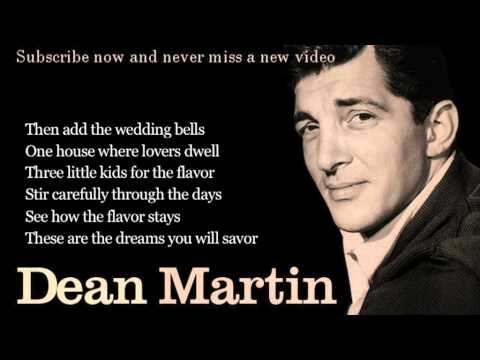
Two years later, Martin scored his biggest 50s smash with “Memories Are Made Of This,” a nostalgic ode first recorded by US pop chanteuse, Mindy Carson. Featuring the tune’s composers – Terry Gilkyson, Richard Dehr, and Frank Miller – singing background vocals behind Martin’s immaculate velour croon under the name The Easy Riders, the song reached No. 1 in the US, UK, and Australia in 1956.
Click to load video
Any discussion of Martin’s biggest hits must also include “Volare (Nel Blu Di Pinto Di Blu),” his swinging remake of Italy’s 1958 Eurovision Song Contest entry by its co-writer Domenico Modugno. “Volare” topped the US magazine Cashbox’s chart and peaked at No. 2 in the UK where Martin enjoyed a large, enthusiastic fanbase.
Dino The Swinger
Few would dispute that Dean Martin’s forte was wrapping his caressing croon around luxurious romantic ballads. With his smooth velvety tone, he built his career on slower numbers, but he showed in 1960 via an exciting collaboration with Sinatra’s famed arranger, Nelson Riddle, that he was more than comfortable singing alongside a swinging, horn-heavy big band.
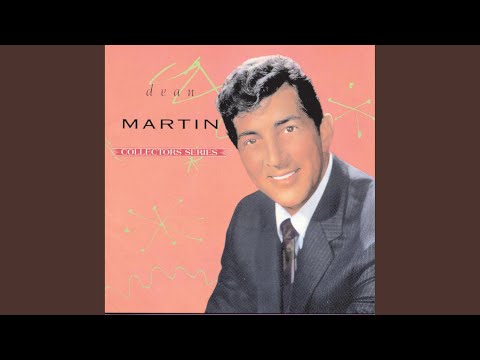
The pinnacle of Martin’s satisfying dalliance with big band swing was the gloriously punchy “Ain’t That A Kick In The Head,” where the singer sounded cooler than a Scotch on the rocks. Recorded during sessions for the Riddle-arranged LP This Time I’m Swingin’, the song appeared in the soundtrack to the 1960 Rat Pack movie Ocean’s 11. Capitol released it as a non-album single but the tune flopped. In later years “Ain’t That A Kick In The Head” grew in stature, seen as a quintessential Martin tune.
Click to load video
From the same recording session came Martin’s pitch-perfect versions of the standards “Just In Time” and “You’re Nobody Till Somebody Loves You,” the latter a cover of a 1946 hit for its co-writer Russ Morgan. Both cuts had Vegas showroom-style razzamatazz, and this was even more apparent on the 1962 Dean Martin song, “Baby-O,” a hilarious playboy anthem arranged by Neal Hefti with echoes of “Mack The Knife” in its vocal phrasing and addictive rhythms.
Dino The Cowboy
As a child, Dean Martin avidly watched cowboy movies and, according to his daughter Deana, loved listening to country music. “He talked about country music all the time,” she remembered. “Country songs really appealed to him. He would say, ‘They just feel right, as if you’re singing from your soul.’”
In 1956, Martin realized a childhood dream by starring in his first Western, Pardners, with Jerry Lewis but his first serious cowboy role was in 1959’s Rio Bravo opposite John Wayne. Martin crooned the film’s plaintive title song but it was his evocative rendition of “My Rifle, My Pony, and Me” – accompanied by a lonesome harmonica, a male chorus, and soft guitar chords – that caught most people’s ears. The Western Writers of America voted the tune one of the all-time Top 100 Western songs.
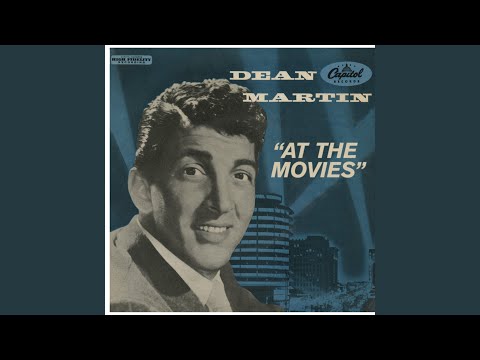
Click to load video
After joining Reprise in 1963, he donned a Stetson, morphed into Dean “Tex” Martin, and cut Country Style, the first of many full-length country-inflected albums. One of his most famous country tunes was 1967’s “Little Ole Wine Drinker, Me,” rendered in a style dubbed “countrypolitan,” a hybrid of big-city pop and Hollywood’s take on Nashville music. In a similar vein was 1965’s “Houston,” a track with twangy guitar and howling harmonica penned by Lee Hazlewood. Martin’s leisurely version strolled to No. 21 on the US Hot 100.
Martin’s biggest success with country music, however, came in 1969 with the smooth makeover he gave to Glen Campbell’s Grammy-winning 1968 hit “Gentle On My Mind.” A modest chart entry in the US, in the UK, Martin’s version proved a surprise smash, rocketing to No. 2.
Dean Martin’s Italian Songs
With its sumptuous velour contours, Dean Martin possessed a voice that could reduce the hardest-hearted Mafioso to tears. Especially when he sang sentimental Italian ballads. Several of his early singles – including his playful 1955 take on Rosemary Clooney’s “Mambo Italiana” – emphasized his Italian roots but in 1962, he devoted an album to songs from the “old country.”
Reaffirming his connection to his musical heritage, Dino: Italian Love Songs contained the cheerily romantic “On An Evening In Roma (Sott’er Celo de Roma),” whose arrangement featured an accordion, which added a touch of Roman atmosphere. Two of Martin’s finest Italian-style songs were non-album singles from 1962: the pleading “From The Bottom Of My Heart (Dammi Dammi Dammi),” and the dreamily luminous “Senza Fine,” featuring one of Martin’s most sensuous vocal performances as a balladeer.
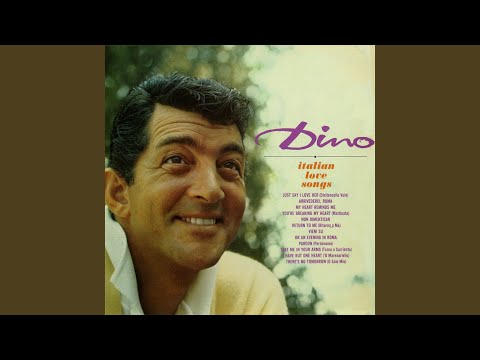
Click to load video
The Christmas Classics
Dean Martin’s vocal idol Bing Crosby pioneered the now-commonplace Christmas album, which was an innovation that blossomed with the introduction of the 33 rpm LP in 1948. One of the highlights of Martin’s first Christmas album, 1959’s A Winter Romance, was his inimitable refashioning of the Yuletide evergreen, “Let It Snow, Let It Snow, Let It Snow.” His version has become the signature take. Also included on the album: Dino playfully finding his way through Frank Loesser’s “Baby It’s Cold Outside.” In 1966, the singer released a second Holiday long-player, The Dean Martin Christmas Album, whose standout was a glistening interpretation of “Silver Bells” enlivened by candy-cane strings and glowing choral harmonies.
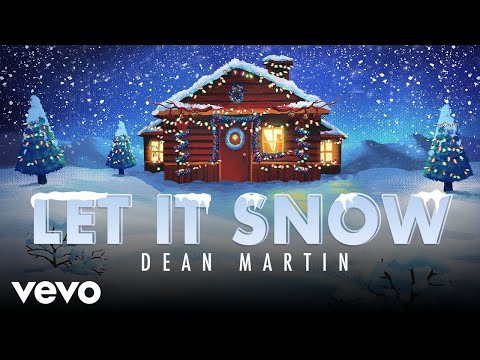
Click to load video
Dean Martin’s Legacy
When Dean Martin passed on Christmas Day 1995, the world lost one of its most distinctive and immediately recognizable voices. Behind the easy-going playboy persona he created for the public was a hard-working husband and father. Though he was a bonafide Hollywood movie star and ubiquitous TV personality, it was as a singer that he perhaps resonated most. From lush romantic ballads and glitzy big-band pizzazz to polished MOR and catchy country-pop excursions, the best Dean Martin songs reflect the easy-on-the-ear charm of a singer who found the perfect balance between a natural, unpretentious self-assuredness and urbane sophistication. Or what some people might call “cool.”
Looking for the best Dean Martin songs? Order Dean Martin’s Greatest Hits on vinyl now.
Continue reading...
1 Replies
·
0 views
mine was this pack of "smart" sticky notes that are supposedly reusable but i have no idea how to actually reuse them without ruining the adhesive?? now theyre just sitting on my desk looking sad lol... also yesterday i bought a book about obscure 17th century marine chronometers because of course i did... like i dont even know why i thought i needed that but here we are what about you guys?? anything you bought recently that made you go “why did i think this was necessary”?? haha
4 Replies
·
0 views

Staff member
Ok folks I have added a cool little addon that will let you style your username and more... Just go to your account dropdown and select Persona from the list, or visit this link: https://lilrawkersradio.net/persona/
Enjoy!
Enjoy!
0 Replies
·
3 views
Replies
Legacy View
Poppy Burton

The Black Crowes’ Chris Robinson has spoken out about the controversy caused by recent comments made onstage at Tampa’s MidFlorida Credit Union Amphitheatre.
The band performed at the Florida venue on May 31 as part of their ongoing ‘Southern Hospitality tour’, and after a section of the crowd broke into chants of “U-S-A!”, Robinson hit out at the crowd.
According to TMZ, a visual of the Black Crow mascot dressed as Uncle Sam was displayed on the screen behind them. Before launching into ‘She Talks To Angels’, the frontman stopped for a moment to talk to the crowd. “Thanks for the geography lesson,” he said, before adding: “I don’t know what you have to be so proud of right now.”
From there, some concertgoers were heard booing him, while some others seemingly chose to leave after his comments. “For those of you fucking booing us, some of us are not afraid. And we most assuredly are not fucking ignorant.”
Now, he’s shed light on the incident while speaking to Ultimate Classic Rock. “I think the whole thing was, of course, blown out of context so people can get clicks and people can stir up the animosity,” he said.
EXCLUSIVE: The fallout from The Black Crowes' onstage political dust-up on Sunday didn't end with boos … it kept rolling straight toward the exits. pic.twitter.com/PSFZy9iMi4
— TMZ (@TMZ) June 2, 2026
“But be most assured – in a week, something else will come up that stirs up the hornets’ nest.” He also cleared up another misconception about his comments, clarifying: “No matter what I ever would say or do or feel about things, there’s no way I would disrespect our veterans.
“For the people who’ve put their lives on the line and made that sacrifice and dedication, I wouldn’t do that. But I have to speak my mind. I don’t have an agenda or anything — I’m just trying to make a soulful connection with people.”
Robinson isn’t usually one to use his platform to make many political statements, although Variety highlights that he did make a subtle swipe at President Donald Trump in 2017, sharing that he was not too pleased that “Donald Trump is president, John Mayer is in The Grateful Dead, and my brother’s in a Black Crowes tribute band.”
The Black Crowes were nominated to be inducted into the 2026 Rock And Roll Hall Of Fame recently, although they didn’t make the cut.
Others who didn’t make the list from the 17 nominations included New Edition, Mariah Carey, Ms Lauryn Hill, INXS, P!nk, Jeff Buckley and Shakira, but those who will join the Rock Hall this year include Phil Collins, Billy Idol, Iron Maiden, Joy Division/New Order, Oasis, Sade, Luther Vandross and Wu-Tang Clan.
The Atlanta rock band will be performing at the 10th anniversary edition of Madrid’s Mad Cool later this summer, and that festival will see headline slots from Pulp, Foo Fighters, Florence & The Machine, and Nick Cave & The Bad Seeds.
The post The Black Crowes’ Chris Robinson addresses backlash after calling Florida crowd “ignorant”: “There’s no way I would disrespect our veterans” appeared first on NME.
Continue reading...
2 Replies
·
0 views
i saw one the other day that was literally “bassdrop mcflurry” and i cant stop thinking about it... why mcflurry?? did they love dairy queen that much?? or was it just a vibe?? im so curious!! also does anyone else think some djs pick names that sound cooler than their actual music... not trying to be mean but ive seen it happen way too many times...  like i get hyped for the name and then the set is just kind of meh... anyway id love to know if yall have spotted any wild ones lately or if theres a story behind a name youve heard!!
like i get hyped for the name and then the set is just kind of meh... anyway id love to know if yall have spotted any wild ones lately or if theres a story behind a name youve heard!!
0 Replies
·
2 views
Replies
Legacy View
Jamie Atkins
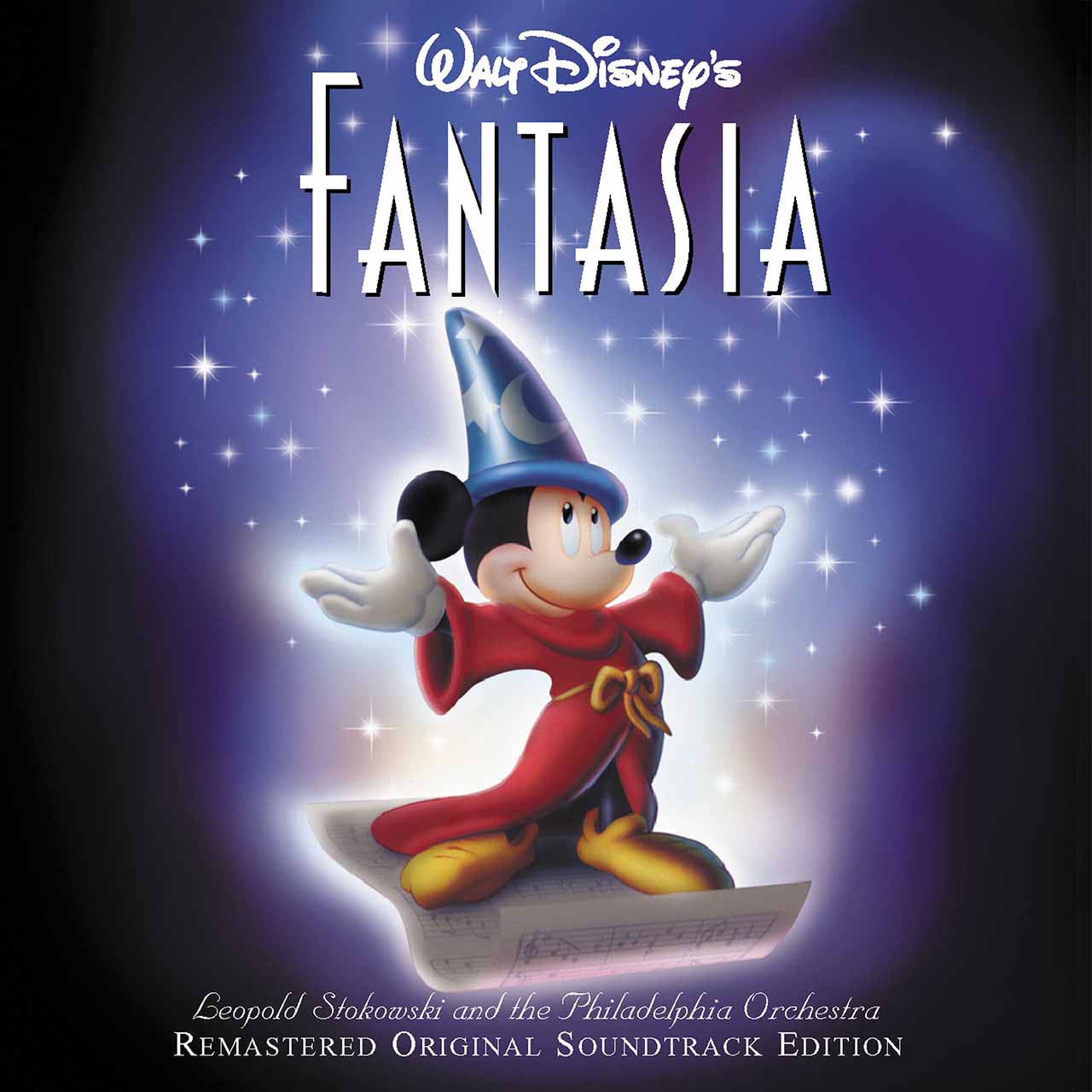
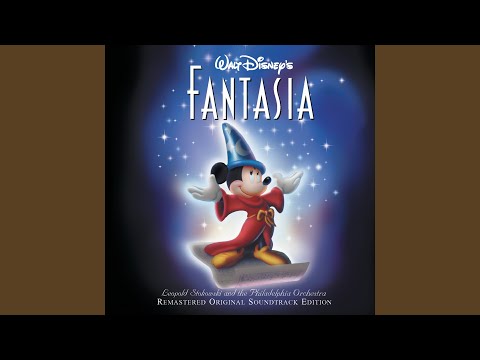
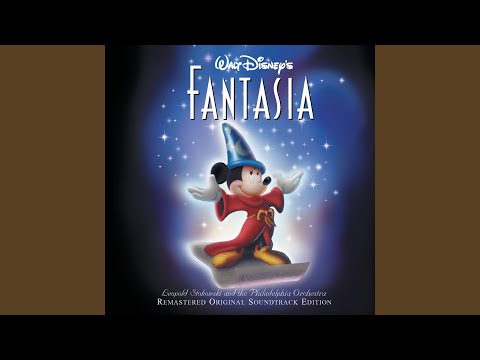
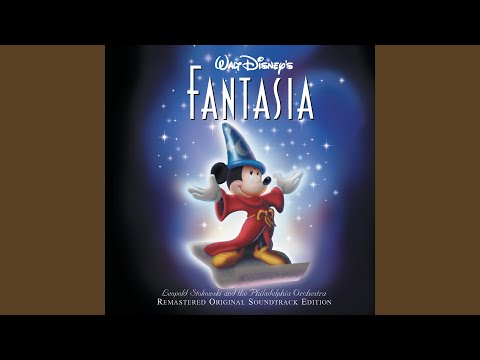
Walt Disney’s third animated feature, 1940’s Fantasia, was a watershed moment in American cinema. The studio’s first two animated movies – Snow White and the Seven Dwarfs and Pinocchio – had been groundbreaking, and financially risky, works that had wowed audiences and been enormous commercial successes. Unwilling to rest on his laurels, Walt Disney envisioned Fantasia as a new type of movie – a series of kaleidoscopic and vivid animated sequences set to landmark classical music pieces, bringing high art to the masses. After Fantasia, animation was never the same again.
Yet it all began thanks to Walt’s attachment to a certain cartoon mouse. Around 1936, Walt became convinced that Mickey Mouse – the character whom he had co-created with Ub Iwerks in 1928 – was in need of a popularity-boosting vehicle. Walt hit upon casting Mickey as the everyman hero in an adaptation of Paul Dukas’ 1897 symphonic poem, “The Sorcerer’s Apprentice” (itself based on Wolfgang van Goethe’s 1797 poem).
Listen to the Fantasia soundtrack on Spotify or Apple Music now.
After acquiring the rights to use the music, the charismatic British conductor Leopold Stokowski – then a huge name in American classical music – pushed the project to another level. “Well, that’s what started it. I was doing The Sorcerer’s Apprentice with Mickey Mouse, and I happened to have dinner one night with Stokowski,” Walt later reminisced. “And Stokowski said, ‘Oh I would love to conduct that for you.’ Well, that led to not only doing this one little short subject, but it got us involved where I did all of Fantasia. And before I knew it, I ended up spending 400-and-some-odd thousand dollars getting music with Stokowski. [laughs] But we were in there. That was the point of no return and we went ahead and made it.”
The projected cost of making The Sorcerer’s Apprentice as a short, coupled with Walt and Stokowski’s excitement in the project meant that it quickly expanded to an eight-part feature set to classical pieces performed by the Philadelphia Orchestra, for whom Stokowski was music director.
Walt’s career to this point had been a series of spectacular gambles. He’d risked everything by making Snow White and was rewarded with a massive critical and commercial success. But rather than resting upon his laurels and enjoying his new-found financial security, Walt doubled down. He financed the construction of a new state-of-the-art studio in Burbank, California, and assembled a dream team of the finest talent in animation. This investment provided the impetus for a period of untethered creativity and stimulation, paving the way for Fantasia.
The quality of the sound recording was crucial. The first session, for The Sorcerer’s Apprentice, emphasized the studio’s ambition – a sound stage at Culver Studios had to be adapted to accommodate the handpicked orchestra of 100 Los Angeles-based session musicians and the coffee-fuelled sessions continued through to the wee small hours. Fox Carney of Disney’s Animation Research Library later said “Fantasia was not only an experience of sight but of sound as well. [The film’s tech team developed] a new technique of sound recording and playback, called ‘Fantasound’, [which] was an early precursor to today’s multi-track stereophonic sound systems and would expand upon the immersive abilities of theatrical presentations.”
The music of Fantasia
After an introduction from Deems Taylor, the famed critic and broadcaster who’d worked with Disney and Stokowski on selecting the pieces to set to animation, Fantasia began with the drama of Johann Sebastian Bach’s “Toccata And Fugue In D Minor.” The orchestra are lit from different perspectives in a kaleidoscope of colors, creating mesmerizing shadows before animated bolts of light abstractly act out the music in a dreamlike manner, influenced by avant-garde European animation. Next, Tchaikovsky’s “The Nutcracker Suite” scores a magical telling of the changing of the seasons, with illuminated fairies, dancing toadstools, floating lilypads, spinning flowers and synchronized fish creating a sumptuous ballet of nature.
Click to load video
Fantasia’s centerpiece, “The Sorcerer’s Apprentice” was the sequence that most faithfully matched the intentions of its composer, with Mickey Mouse playing the apprentice of the magician Yen Sid. When he’s given tiresome chores to do, the cheeky mouse wears Sid’s magical hat, casts a spell over a broom, and lets the magical object do the hard work for him. However, he soon loses control of the magic and has to be bailed out by his elder.
Using Stravinsky’s “Rite Of Spring” shows how ambitious Disney was. The ballet had proved so controversial it was causing riots just decades previously. Now, it was being used in a Hollywood animation to soundtrack the evolution of life on Earth. Its powerful realism is a contrast with the world of unicorns, centaurs, and decadent feasts soundtracked by Beethoven’s “The Pastoral Symphony.”
Click to load video
The comic ballet sequence for “Dance Of The Hours” by Anilcare Ponchielli was another first for Disney, as he later said, “While ballet has inspired many beautiful works of art, it had scarcely been touched upon in the field of animation. In fact, our animators knew very little about it. And because a thorough knowledge of a subject is essential in order to caricature it; a new course was added to our studio school curriculum – classical ballet.” At Disney’s insistence, the animators gained an appreciation for ballet which allowed them to give the cast of ostriches and hippos a convincing – and in the case of the latter, unlikely – elegance.
The pairing of “Night On Bald Mountain” by Modest Mussorgsky and “Ave Maria” by Franz Schubert provided Fantasia with a spectacular finale. The sense of terror conjured up by the pairing of the tense first piece and Disney’s depiction of a demon summoning the undead was something entirely new to animation. And, in ending with a sunrise set to the beatific “Ave Maria,” Fantasia leaves us with a message of hope.
Click to load video
The release and reception of Fantasia
Fantasia was clearly a groundbreaking masterpiece, but it took some time to win the hearts of the public. Walt initially envisioned it as a hybrid of a film presentation and concert and decided the entire two hours and five minutes (plus intermission) of Fantasia should go on the road. Thirteen roadshows were held across the United States, each involving two daily viewings. The first roadshow opened at the Broadway Theatre, New York City, in November 1940 and proved a great success, as did initial viewings nationwide. But costs were high and the onset of the Second World War stalled plans to release it in Europe.
Versions of Fantasia were put out over the years and, slowly, it became seen as a genuine classic, appreciated for the groundbreaking work that it was. The film finally went into profit on its return to cinemas in December 1969, when it was adopted by hippies who dug the psychedelic vibes of the movie. When it was finally released on VHS in 1992, it became the highest-selling cassette of all time in the United States, selling 14.2 million copies. Since its release, Fantasia has not only become a beloved movie, but has inspired countless children to fall in love with classical music.
Listen to the Fantasia soundtrack on Spotify or Apple Music now.
Continue reading...
0 Replies
·
0 views
Replies
Legacy View
Ian McCann
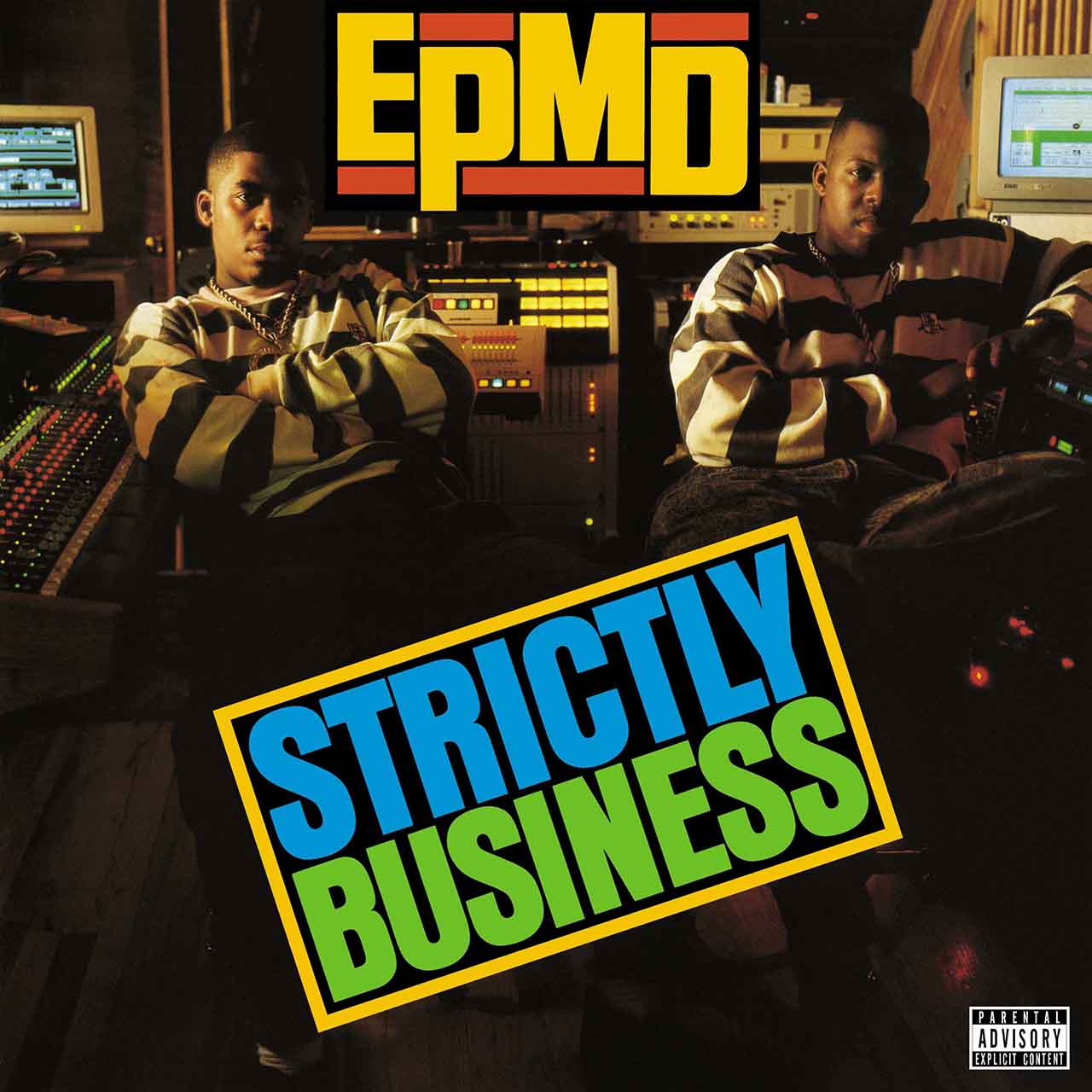
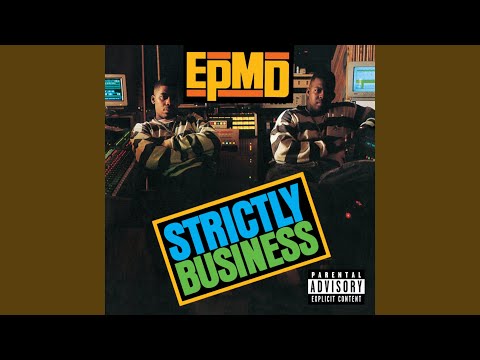
Business? Not cool, is it? Stiffs in suits and ties grafting at a desk and thinking only of profit? Where’s the fun in that? EPMD found it. And let’s be clear – these guys were serious about profit. That’s why they were called Erick And Parrish Making Dollars. Their debut album, Strictly Business, did it for them; they made plenty of Benjamins. And the rest of us? We had a party from hearing them do it.
Erick Sermon and Parrish Smith emerged in the mid-80s. These united microphone princes of Brentwood, Long Island, cut their debut single, “It’s My Thing,” in 1987, for the Manhattan-based indie label Sleeping Bag, who put them on its Fresh imprint, which until that point had a rap roster mostly comprising the underrated giants T La Rock and Just Ice. EPMD would soon become Fresh’s biggest-selling act, enjoying a rise to pop chart success that began with Strictly Business, the 1988 album that made No.1 on Billboard’s R&B chart. It’s not hard to see why: downbeat, effortlessly funky, lean and raw, Strictly Business is strictly bigness: it’s irresistible.
Perfect product
Kicking off with the title track, EPMD make their style clear from the off: their dry, relaxed voices talk to you without haranguing, stating their business and telling it as they see it. It’s here that you can immediately hear the numerous others they influenced; the vocal flow of UMCs and a proportion of the phrasing of Shock G of Digital Underground, for example. The deliberately unfussy use of beats, keeping it funky and direct, would sway some of the artists on Delicious Vinyl a few years later. And EPMD took beats where they found them: did Eric Clapton ever sound as funky as he does in inadvertent support of “Strictly Business”?
Click to load video
“Let The Funk Flow” beautifully slices and re-edits The JB’s “(It’s Not The Express) It’s The JB’s Monaurail” to create a slow and heavyweight grind that churns below a here’s what’s happening right now lyric: you’re listening to the moment we’re creating while you’re hearing it. The mission statement “You Gots To Chill” (there is none more chilled than Erick and Parrish) betrays the influence of Eric B & Rakim’s “Paid In Full,” dropping as ashy as a saltfish in the Gobi desert and making good use of Zapp’s rubberfunk classic “More Bounce To The Ounce.” Chill? They do nothing else, even sounding utterly languid when warning off bitin’ rivals. The record went on to sway Snoop Dogg, one of many MCs to give it a nod of lyrical approval.
Even when the guys are messin’ wit’ ya, as on “The Steve Martin,” a dance-craze tune that didn’t quite start a dance craze, the beats still slide like an oiled sidewinder. “You’re A Customer,” with its alluring snatches of Steve Miller Band’s “Fly Like An Eagle” and the album’s second chunk of Kool & The Gang’s “Jungle Boogie,” still resonates through hip-hop today, with the mighty Parrish being particularly lyrically ripe, comparing rivals to something toilet paper might wipe off, and Erick paying off with the line that other MCs are basically paying to be sustained by their perfect verbal product.
EPMD’s debut single, the Lyn Collins-sampling “It’s My Thing,” and the “give the DJ some” “DJ K La Boss” are both in perfect step with the rest: this is an utterly cohesive affair. “I’m Housin’,” which made an exploratory showing in the UK charts after a chunky dance remix, shrugs along on a sample of Aretha’s “Rock Steady” that’s total groove. Like “Get Off The Bandwagon” and virtually every other track on Strictly Business, this is an assertion of EPMD’s right to be where their rivals are not.
Click to load video
The real deal
You could argue that EPMD’s debut record found a formula and stuck with it. But it never loses its gleam, being sufficiently varied and, yes, genuine enough to retain your attention. For purists, this is the real deal. For casual listeners, it shakes the butt and tickles the brain with mentions of, say, fabric softener and a brand of cooking oil. And there are innuendoes aplenty, delivered without the slightest mugging: when they suggest you take off your coat, you think they wanna leave it at that?
Released on June 7, 1988, Strictly Business may be a debut album, but it fed numerous other MCs as well as EPMD’s own soon-to-be-soaring status. And they left calling cards for their future work: all their albums have “Business” in their title, plus the record closes with “Jane,” the opening assault in a sex and dissin’ saga that has helped sustain the duo for decades. Strictly Business is strictly cool. And when an album is this good, no wonder Erick and Parrish made dollars.
Listen to Strictly Business now.
Continue reading...
0 Replies
·
0 views
Replies
Legacy View
Richard Havers
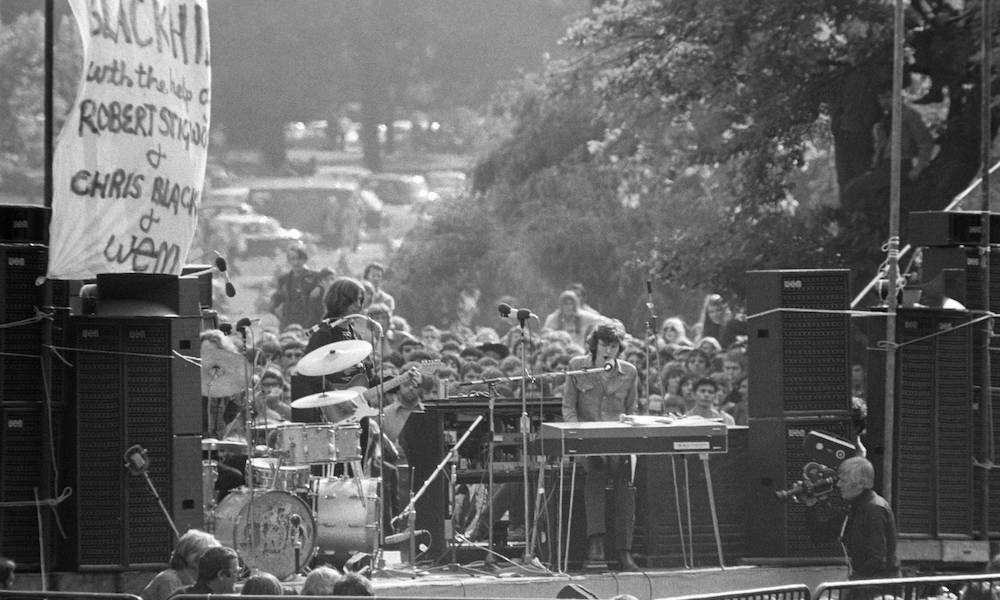
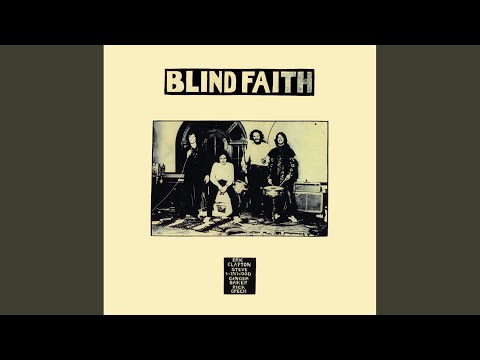
1969 was THE year of the festival – a stellar year by which all others have been judged. Across North America and the U.K., there seemed to be a festival happening somewhere, almost every weekend of the summer. The first major festival of the year was in Canada, the Aldergrove Beach Rock Festival that bizarrely starred the New Vaudeville Band and Guitar Shorty. In Britain, the first Hyde Park show starred Eric Clapton’s new band, Blind Faith, in front of a crowd of around 120,000
It was on Saturday, June 7 that Blind Faith headlined the free concert that was organized by Blackhill Enterprises. Peter Jenner and Andrew King who were stalwarts of the London underground scene, having helped start the UFO club in Tottenham Court Road, ran Blackhill. Jenner had been a lecturer at the London School of Economics, and Blackhill ran their five-person business out of a converted shop just off Ladbroke Grove.
Blackhill was principally agents, and it was their acts that gained most from the Hyde Park concerts, which gave them a higher profile than they would have expected from gigging around Britain playing low-key gigs. During 1968, when Blackhill first approached the U.K.’s Ministry of Public Building and Works about the possibility of staging concerts in Hyde Park, they were met with a resounding “no.” However, their persistence paid off, and on June 29, 1968, Pink Floyd headlined, supported by Tyrannosaurus Rex, Jethro Tull, and Roy Harper.
Click to load video
The Blind Faith concert was the first of four concerts scheduled for 1969. Opening the show was the Third Ear Band along with Richie Havens, Donovan, and the Edgar Broughton Band (no U.K. festival seemed to be complete without them). The stage they all played on was somewhat makeshift in appearance and was only about a meter or so high.
The music started around 2.30 p.m. and despite the crowd of 120,000 turning up on a really hot day, it was barely reported by the national press and not much noticed by the pop press either. With the exception of Richie Havens, who as usual thrashed the living daylights out of his guitar, the bands never seemed to ignite the crowd. Perhaps they were anticipating guitar pyrotechnics from Eric Clapton, who along with Ginger Baker, Stevie Winwood, and Rick Grech had formed Blind Faith, the new “supergroup,” a tag with which they had been saddled to describe the musicians’ pedigree.
Blind Faith took to the stage about 5:00 p.m. and began their set with “Well All Right” before going on to perform most of their debut album. It was a more bluesy set, closer to the kind of things Traffic had been playing than to Cream. According to Ginger Baker, “Eric had been doing amazing stuff, but at Hyde Park, I kept on wondering when he was going to start playing. ” According to Clapton, “I came off stage shaking like a leaf because I felt that, once again, I’d let people down.”
Click to load video
“True, they weren’t as polished as Cream had been, but then again I don’t think there’s anything wrong in master-musicians playing a bit of a ‘woolly’ set. That’s what good rock’n’roll is all about. Play it a bit raw. Fluff up a bit here and there. Make mistakes. Who cares?”– Richard Evans, a designer who later worked at Hipgnosis
Among the crowd were Mick Jagger and his girlfriend Marianne Faithfull. Having watched Blind Faith perform, soaked in the vibe and seen how many people there were watching, Mick decided that a free concert in Hyde Park to promote The Rolling Stones’ new single and get them back in the public eye would be just the thing for the band that had been through something of a low period. As a nod to Mick, who stood watching from the side stage, Blind Faith played “Under My Thumb.”
Mick Jagger told the Melody Maker a few days later, “I thought they were very nice. I was right at the back of the stage and couldn’t see them, but I thought somehow they were very strained. I guess they’ll get more together and Ginger was fantastic. He’s a beautiful drummer – the best drummer I have ever heard.”
Listen to the best of Blind Faith on Spotify.
Continue reading...
0 Replies
·
0 views
Replies
Legacy View
Mark Elliott
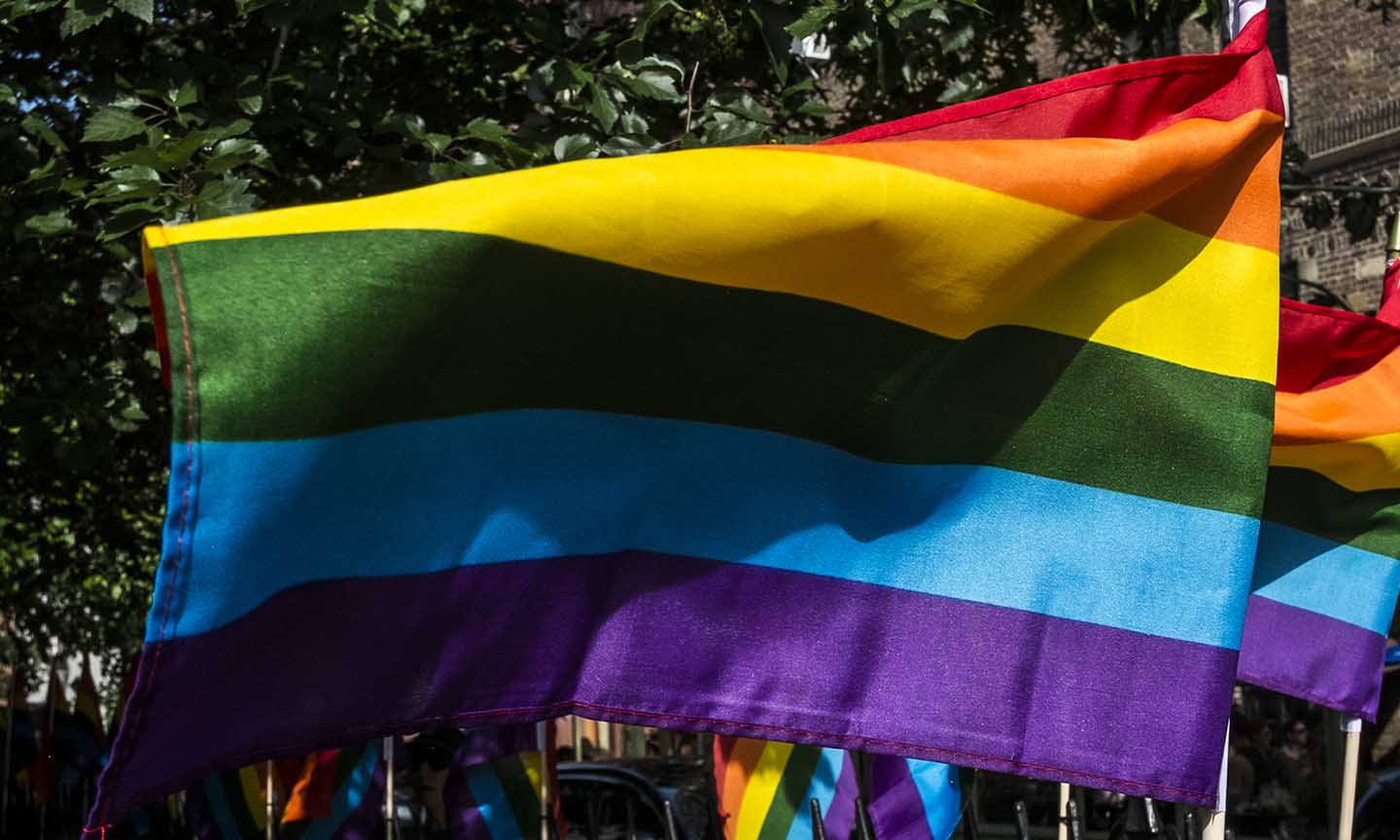
In recent decades, a number of truly pioneering truly pioneering LGBTQ musicians have broken down the barriers to mainstream acceptance. Tracing LGBTQ identity in popular music, however, takes you back at least as far as the dawn of recorded sound. Ignoring the baroque trailblazers the likes of Corelli and the tortured Tchaikovsky, the Victorian music halls were where the first generation of pop artists began to seize on new technology to develop an audience beyond the smoke-drenched stalls and into people’s homes. Take Birmingham’s Fred Barnes, who had a then notorious sideline interest in sailors; his 1907 music-sheet hit “The Black Sheep Of The Family” launched him to the top of the bill, despite a modest recording biography to date. Back then it was still all about the live circuit, and Fred continued to be a big draw until his inability to manage his success led to a catastrophic decline.
Across the Atlantic, the New Orleans jazz scene was being dazzled by African-American Tony Jackson, routinely described as the best pianist of his generation. His move north to Chicago saw him write “Pretty Baby” – another huge sheet-music hit that long outlasted its composer, inspiring a 1978 movie starring a young Brooke Shields and even featuring in a 21st-century episode of UK TV soap EastEnders. Juggling two minority disadvantages was tough in such an unforgiving period and it proved difficult for Tony to break out of the local scene. Theatre manager Shep Allen said, in 1963, that Tony sounded like Nat “King” Cole but he had greater power and range. In a gentler era, his celebrity would surely have soared far and wide.
The shock of the Great War, which ended in 1918, led to a rapid erosion of the social protocols that had sealed society in a rigid corset up until that point. The 20s was an era when people wanted to party and forget the recent carnage. Bars that we might identify today as “gay” sprang up in the big metropolises, and there was an explosion of female impersonators that created a New York drag scene not dissimilar to today’s. Billed The Pansy Craze, the most famous turn on that circuit was Julian Eltinge, who became so well known that he was booked to play in London and appeared in films with silent-screen idol Rudolph Valentino. Karyl Norman added songwriting to his turn and toured his repertoire extensively, but prohibition, the depression, and gathering winds of another war saw the stateside movement lose momentum.
Mad about the boys
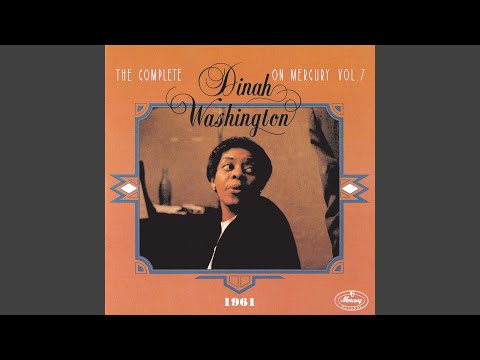
Back in the US, Douglas Byng became a hit act with a number of near-the-mark numbers such as “I’m One Of The Queens Of England.” As The Pansy Craze slowed stateside, however, many of the US acts relocated to Europe, with Paris and Berlin enjoying a golden era before political changes sowed the seeds of horrors to come. Of course, no summary of pre-war gay stars would be complete without mention of Noël Coward, who would go on to be one of the planet’s greatest stars. His “Mad About The Boy” was first performed in 1932’s Words And Music, and was later given a definitive performance by Dinah Washington, with arrangement by Quincy Jones.
Click to load video
The social repression that reignited after the end of the Second World War meant gay performers had to tread carefully not to offend sensitive sensibilities. Jazz legend Billie Holiday was rumored to be bisexual, but no one cared when standards such as “That Ole Devil Called Love” sounded so good. Sister Rosetta Tharpe was a huge influence on Little Richard and Elvis with her guitar-fused gospel electrifying audiences across America and, later, Europe. But the biggest international gay star of the era immediately leading into rock n roll was Liberace. The pianist was born in 1919 and, by the late 40s, had adapted his nightclub act to incorporate comic flourishes and a broader sweep of music than his classical training had prepared him for. The new television service made Liberace a star and he became a huge live draw, touring extensively and reportedly becoming one of the highest-paid artists on the planet. An infamous run-in with the UK’s Daily Mirror and the US’s Confidential magazine saw him settle out-of-court with a handsome dividend when they questioned his sexuality, but the truth was to eventually emerge in darker years ahead.
Walk on the wild side
The tradition of soft, accessible pop ran through the 50s and early 60s with gay stars such as Johnny Mathis, Lesley Gore, and Tab Hunter hidden tightly within their respective closets, but the electrifying revolution of rock’n’roll was making waves. A new breed of acts was prepared to shock, if not yet scandalize. Poor old Johnnie Ray (as immortalized in Dexys Midnight Runners’ “Come On Eileen”) was a troubled teen idol who couldn’t really hold it together, but caused widespread alarm with the adoring hysteria he created almost everywhere he went. Little Richard (who, along the way, picked up the nickname The Georgia Peach) handled the pressure much better and became a hypnotic showman, with no less than David Bowie going on to claim that he had been a huge influence. Little Richard didn’t like labels, but his flamboyant style said enough.
As the 60s started to swing, many of the biggest stars of the era were steered by gay managers and producers, including Brian Epstein (The Beatles), Joe Meek (The Honeycombs), and Larry Parnes (Billy Fury). Out front, however, the damage an outing could cause a career kept closet doors firmly closed. Despite a handful of counterculture releases, such as The Tornados’ Meek-produced “Do You Come Here Often,” this was still a conservative time; the likes of Dusty Springfield and Long John Baldry were careful to keep their love songs in line with public expectation. More daring narratives emerged as the decade matured, with The Kinks’ ‘Lola’ and Lou Reed’s “Walk On The Wild” Side treading a careful line so as not to upset the censors, but smuggling very different themes onto the radio for the first time.
It was the 70s, and the years following the Stonewall Riots and the birth of the modern gay liberation movement, that saw more dramatic evidence that LGBTQ artists, and those that supported them, could be more confident at last. The glam rock explosion saw a new theatricality burst onto the scene and, while straight acts such as The Sweet, Alice Cooper, and New York Dolls experimented with make-up and pantomime performance, genuine progress was made when, in 1972, David Bowie announced to the world he was gay – even though he wasn’t.
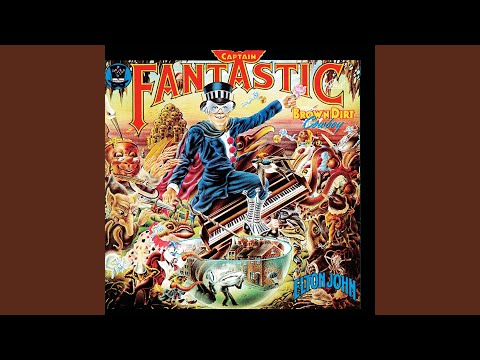
The enormity of such a big star-making a statement like that certainly eased the partial opening of the floodgates, and when his more mainstream rival of the era, Elton John, said something similar a few years later (and meant it), there wasn’t the backlash one might have imagined. Songs such as “Someone Saved My Life Tonight” represent the best of John’s work, and its autobiographical narrative detailing an aborted suicide attempt induced by a proposed lavender marriage is powerful to this day.
Click to load video
I’m coming out
By the middle of the decade, gay men’s sexuality at least was becoming more confident and visible. Rod Stewart’s story of a gay-bashing, “The Killing Of Georgie,” was a huge international hit in 1976; The Rocky Horror Show, with its subversive themes wrapped up in a rush of camp humor, had been running on stage for years; and disco began to emerge as the defining sound of the dancefloor. But marketing an act with a strong gay message could still be difficult. In Britain, Peter Straker’s first album was advertised almost exclusively in the gay press, and it bombed. His second, recorded with Queen’s Freddie Mercury, followed the same fate. In the US, Jobraith was signed and billed as the world’s first gay megastar but drowned in a PR blitz that left both the industry and customers largely underwhelmed. Despite years of subsequent critical re-evaluation, it took until the 21st Century before his music became more widely known.
While lesbian singer-songwriters such as Cris Williamson, Holly Near (later to live with a man and renounce labels), Joan Armatrading, and Janis Ian enjoyed some success, the mainstream kept them largely on the sidelines in favor of safer, straighter women the likes of Diana Ross, who recorded “I’m Coming Out” in 1980 and made a point of courting the gay market to maintain their careers.
But if anything threatened to recalibrate the gender balance in this era, it was actually disco, which made big stars of artists such as Gloria Gaynor and Donna Summer. Androgynous icon Sylvester had a worldwide hit with “You Make Me Feel (Mighty Real)” and the scene even established its own gay supergroup, with Village People saving wedding playlists for evermore when they released songs such as “YMCA” and “In The Navy” at the decade’s close. With New York’s Bobby O and San Francisco’s Patrick Cowley flavoring their production work with polished Euro-synth sounds borrowed from disco acts the likes of Amanda Lear (who graced the iconic cover of Roxy Music’s For Your Pleasure) and classic clubs such as Studio 54 at the peak of their success, it seemed the party might go on forever. But, of course, it didn’t.
The US backlash against disco had in fact begun before the AIDS crisis began to bite. Within a few short years, the advances made by the LGBTQ community looked all but obliterated as gay men, in particular, struggled to cope with the catastrophic impact of the then untreatable HIV virus. The US music scene retreated into an era of conservatism dominated by AOR but, in the UK, the punk movement softened into something rather more colorful and considered.
Keep them guessing…
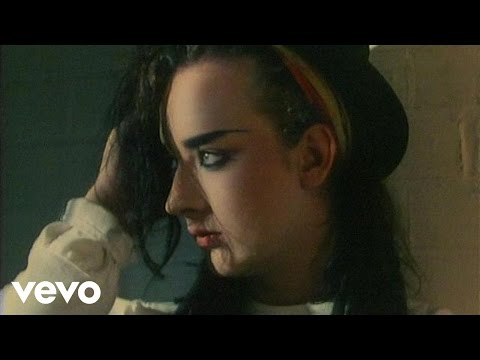
The new romantics dominated the European charts, with acts such as Duran Duran, Eurythmics, and The Human League transforming the sounds and – just as significantly – the look of the early 80s. They might have been straight, but their eclectic influences and desire to experiment helped push boundaries. Artists such as Marc Almond of Soft Cell, and Culture Club’s Boy George were careful not to say they were gay, but weren’t afraid to keep you guessing, either. Boy George, in particular, became a global megastar, and his band’s poignant hits, among them “Do You Really Want To Hurt Me?” (many of which chronicled the secret relationship George was in with his band’s drummer Jon Moss) became anthems of their time.
Click to load video
The USA would catch up, of course, and as soon as MTV began its nationwide rollout, the pop promos produced by this new breed would see a second British Invasion to rival that of the Beatles-led revolution two decades earlier. Gay politics in pop would also maintain a healthy momentum with artists such as Tom Robinson, who had come out in the previous decade and scored a major UK success with “Glad To Be Gay,” and Bronski Beat, who made their classic debut with 1984’s “Smalltown Boy,” continuing to write music born from a different perspective. When Jimmy Somerville left Bronski Beat, in 1985, his next project, The Communards, would arguably eclipse the success he had already enjoyed. His cover of “Don’t Leave Me This Way” became the UK’s biggest single of 1986 and the band would have two hit albums.
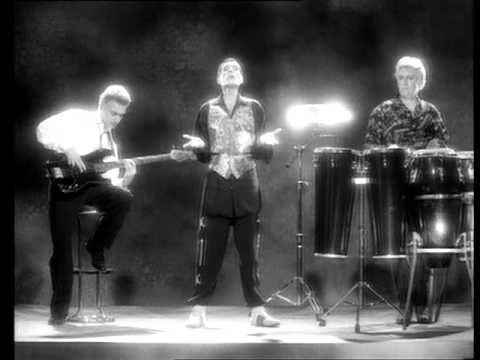
The 80s would also see the emergence of Queen as bona fide international treasures. Their charismatic frontman, Freddie Mercury, had steered the visual direction of the group since their breakthrough, in 1973, but his powerful performance at Live Aid cemented the group’s legendary status. Sadly, he wasn’t the only artist that would eventually battle a HIV diagnosis during the 80s. The crisis continued to spread and the early deaths of Department S’s Vaughn Toulouse, Level 42’s Alan Murphy, and The B-52s’ Ricky Wilson are just a few examples of how the disease decimated the industry. When Freddie died of AIDS, the poignant “These Are The Days Of Our Lives” was paired with a reissue of the band’s undisputed classic, “Bohemian Rhapsody.” It topped the charts, leading to a huge charity concert to rival Live Aid, raising funds to speed up medical research. Elton John also emerged to create a huge charity effort that generated millions for AIDS causes.
Click to load video
The days of our lives
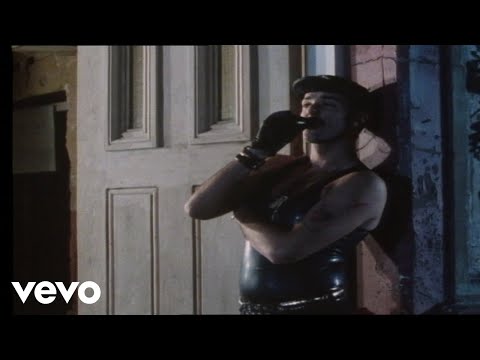
Yet, despite this catastrophe, gay culture was becoming slowly ever more mainstream. When Frankie Goes To Hollywood’s anthem about gay sex, “Relax” famously got banned by BBC Radio One, the song catapulted it up the charts and went on to be one of the UK’s biggest ever singles, launching the band into about 18 months of mega-stardom. Lead singer Holly Johnson would go on to enjoy solo hits with tracks like “Love Train.”
Wham!’s George Michael wouldn’t come out for years, but there was a knowing playfulness about his tease and titillation aimed at young girls right from the start. Synth duos Pet Shop Boys and Erasure would never wear their sexuality on their sleeves, either, but the subject matter of some of their songs, among them “It’s A Sin” and “A Little Respect,” left few of us guessing. When Erasure helped relaunch ABBA with the ABBA-esque EP in 1992, it couldn’t have been any more obvious.
Click to load video
Disco evolved into Hi-NRG in the gay clubs, and its poppier, synth sound, immortalized by Sinitta’s “So Macho” and Miquel Brown’s “So Many Men, So Little Time,” was lifted out of those popper-fueled palaces and into the national charts by acts such as Hazell Dean, Dead Or Alive and Bananarama, with help from the Midas touch of Stock Aitken Waterman, a Svengali production team who admitted they repackaged gay dance sounds for the mainstream. They even launched a then-closeted-but-obviously-all-gay boy band, Big Fun, who had a handful of hits.
As the Second Summer Of Love launched a sharper new dance culture in 1988, gay artists enjoying success ranged from k.d. lang to S’Express’s Mark Moore. There was room for everyone, it seemed, and perhaps the gay label just didn’t matter so much anymore. Morrissey had cultivated a fey, asexual persona dripping with hormones and repressed longing that thrilled the indie crowd. With his band The Smiths, he became the man it was OK for every straight boy to have a crush on, and hits such as “William, It Was Really Nothing” referenced a nostalgic 60s vibe that was uniquely British. K.d. lang refined her country style and would create a pop masterpiece with Igénue and its singles, among them “Constant Craving,” while S’Express hit the top of the British charts with a sampling slice of the acid-house scene with “Theme From S’Express.” Rob Halford of Judas Priest admitted that being gay in the macho rock world wasn’t always easy back then, but said that coming out in 1998 was a wonderful moment.
Let’s go outside
As we rolled into the 90s, more and more artists were prepared to talk openly about their sexuality. Pet Shop Boy Neil Tennant came out in 1994 to Attitude – a magazine launched to capitalize on the new phenomenon of the “pink pound” (a phrase used to describe gay people’s spending power). R.E.M.’s Michael Stipe seemed happier to discuss his personal life, and even George Michael made a virtue (and hit song, “Outside”) of the fact that he’d been arrested while loitering for sex in a public toilet.
Yet despite the apparent ease of some sectors of society to tolerate this openness, homophobic themes and language still flared up, notably in hip-hop and reggae. Elsewhere, Suede’s Brett Anderson perhaps foolishly revisited the lines used by Bowie far more successfully a couple of decades earlier, and the HIV crisis wouldn’t really start to ease until the new millennium. Rampant political conservatism was rigorously challenged by the aggressive pro-gay and empowerment agenda established by straight supporters such as Madonna, but the subtler work of the likes of Melissa Etheridge did just as much good. Madonna used her position as the undisputed Queen Of Pop to provoke and challenge the sexual status quo. Her 1992 work with album Erotica and the Sex book was as bold a move as any mainstream artist would ever attempt. She survived the backlash, but only just…
Born this way
It wasn’t until the 21st Century that the civil-rights agenda, amidst a raft of legislative changes, began to establish – in Western democracies, at least – that being gay might finally be one of the least interesting things to be said about someone’s identity. Gossip’s Beth Ditto, Sam Smith, and Sia all became major stars without in any way letting their sexuality define them. Conchita Wurst did create a sensation when she won the Eurovision Song Contest in 2014 with “Rise Like A Phoenix,” but that was really all about her facial hair (transgender Dana International had won for Israel back in 1999).
Click to load video
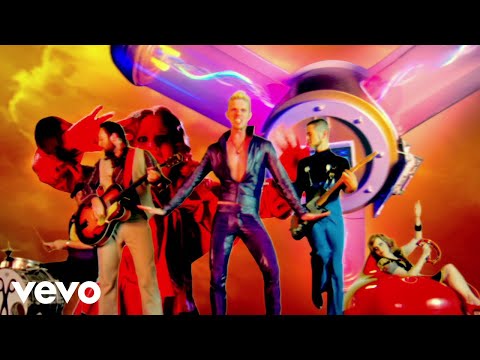
Gay house-band Scissor Sisters became a huge pop act (in Europe, at least), while it became protocol for most boy bands to include at least one gay member, as Westlife’s Markus Feehily, Boyzone’s Stephen Gately, and N SYNC’s Lance Bass illustrate. All three did come out after the peak of their teenage adoration, but the new generation, such as Clean Bandit’s Neil Milan and Olly Alexander of Years & Years, didn’t wait that long. Britain’s Will Young became the first winner of Pop Idol, in 2002, and made his announcement soon after his first hit single, “Evergreen.” Adam Lambert went through the same experience stateside. It didn’t harm their careers at all. Rufus Wainwright wasn’t keeping quiet, either, and, a decade on, Troye Sivan is actually creating a career with his confident sexual identity and great music.
It certainly seems being gay wasn’t the commercial suicide it once might have been. “I wish I could come out again,” Latino superstar Ricky Martin said recently. “It was amazing.” He’d kept his sexual identity secret while in Menudo and as a huge solo act in the early part of the new millennium, but times had changed. Tom Robinson told Darryl W Bullock, the author of David Bowie Made Me Gay, that he’d like to live in a world without labels. “It’s marvelous that people can just make music and it’s kind of incidental what their sexuality is.” There are now gay artists in almost every musical genre you can think of.
Gay icons such as Judy Garland (whose Live At Carnegie Hall album Rufus Wainwright recreated in its entirety in 2007), Lady Gaga, Kylie, and Cher have used their work to support and entertain the LGBTQ community for decades. That brand of showbiz pop has lost none of its power to persuade and entertain, but the real sea change has come from society itself. Softening of attitudes has meant gay artists can now work with a confidence like never before, knowing no one much cares anymore. And that’s perhaps the greatest progress of all.
Browse our R&B / Soul / Funk collection featuring limited edition vinyl and CDs here.
Continue reading...
0 Replies
·
0 views
Replies
Legacy View