

B
Bill Pearis
Guest
Welcome to June. We’ve got a bunch of winners here in Indie Basement this week, including a collaboration between German experimental duo Mouse on Mars and late reggae/dub icon Lee “Scratch” Perry and the winsome second album by Slippers, plus new ones from Les Big Byrd, of Montreal, Widowspeak, The Creem (members of Ratatat and Islands/Unicorns), and a dub rework of Mekons‘ Horror.
For this week’s Indie Basement Classic I do a two-fer from one of the biggest college radio acts of the late-’80s and early-’90s.
Over in Notable Releases, there are reviews of new albums from Converge, Bedouine, Death Cab for Cutie, Modest Mouse, Vince Staples and more.
On this week’s episode of BV Interviews I talk to Doublespeak, aka Vince Clarke (Erasure, Yazoo), Neil Arthur (Blancmange), and Benge.
Head below for this week’s reviews…
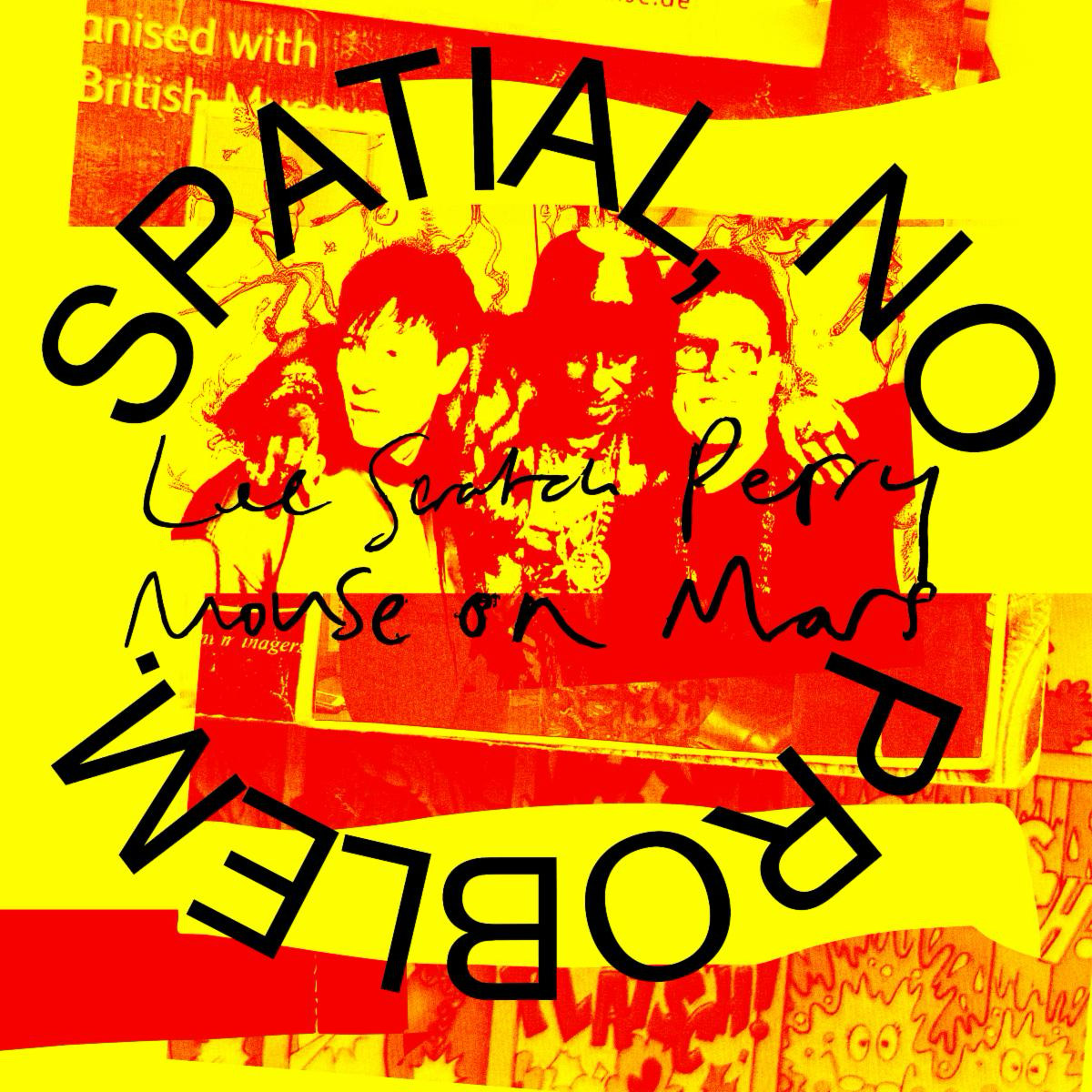
ALBUM OF THE WEEK #1: Lee “Scratch” Perry & Mouse on Mars – Spatial No Problem (Domino)
German duo Mouse on Mars turn some of the reggae/dub icon’s final recordings into a vibrant, genre-hopping tribute
Reggae and dub icon Lee “Scratch” Perry died in 2021 and was prolific till the end. Not unlike Tupac, there have been a lot of posthumous albums claiming to be the “final” one, and who knows which will actually be the last, but this one will be hard to top.
Made with experimental German electronic duo Mouse on Mars, the bulk of the record was recorded during a whirlwind four-day session in 2019 involving a dozen musicians. The original idea was for the album to be made specifically for spatial audio, the immersive, multi-channel format that can create a 360-degree experience where sound comes from everywhere. They asked Lee if he had ever heard of it. “Spatial?” he replied. “No problem.”
Perry, meanwhile, had only one edict for Mouse on Mars: he didn’t want to make a reggae album. During the four days they spent together, they recorded nonstop while Lee redecorated the studio with his suitcase of trinkets and tokens, while he was on the mic grooving with the assembled band, while he was making Jamaican fish stew, and while the musicians worked on new ideas. It took a while for MoM’s Jan St. Werner and Andi Toma to complete the album, thanks first to the pandemic and then Perry’s death. “The sessions were quite drawn-out, you could maybe call them unsorted,” Toma told The Guardian, “but actually, about 70% of what made every song was already there: their structure, the different parts, and who added what. It developed quite organically. We only had to cut around it a little bit.”
Like a good fish stew, some things need time to marinate and simmer, and what they’ve created is a delicious concoction with an intoxicating aroma and a complex broth with lots to sink your teeth into. That stew was at least a little bit of the inspiration for Spatial, No Problem‘s first single and opening track, “Rockcurry,” an infectious creation that sounds like something that could’ve come out of Nassau’s legendary Compass Point Studios in 1980 — think Talking Heads or Grace Jones — all giddy, playful, and very danceable. Genuinely fantastic.
The album I would most readily compare it to is David Byrne and Brian Eno’s My Life in the Bush of Ghosts, with Lee’s mystical ramblings substituting for samples of exorcists and field recordings. Musically, many of these tracks are built on krautrock rhythms, and then things go global with horns, backing singers, flutes, a variety of synthesizers, and other instrumentation.
These songs ride grooves more than they follow traditional pop structures, but St. Werner and Toma keep things engaging with inventive, trippy arrangements that feel like a tribute to Perry’s influential dub productions. This may not be a reggae album, but tracks like “Spatiallee,” “Yayaya,” and the wonderful, jazzy closer “State of Emergency” are reggae-adjacent. Then there’s “To the Rescue,” which is as dubby as it gets.
The album’s other clear standout, alongside “Rockcurry,” is “Fire Dali,” which is powered by a hypnotic two-note bassline and rolling percussion over which Perry intones as horns swell and recede. As the song fades, he sighs “Black Ark,” referencing his famed Black Ark Studios in Jamaica, which burned to the ground in 1979 (allegedly at Scratch’s own hands), as Mouse on Mars incorporate field recordings captured at the site where it once stood.
This will definitely not be the last posthumous Perry album — Adrian Sherwood says he has one coming too — but it’s hard to imagine a more fitting tribute to the legend than Spatial, No Problem.
—
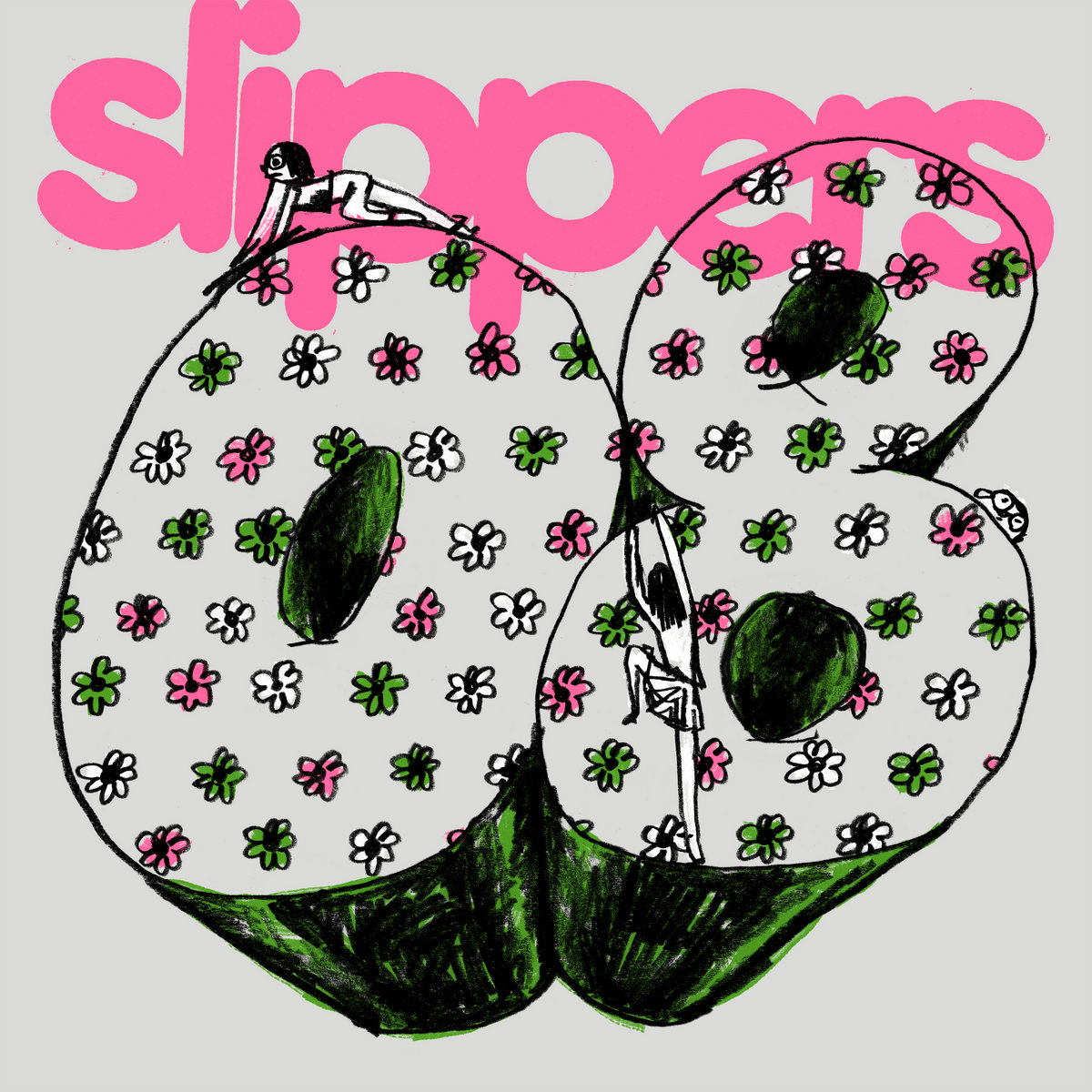
ALBUM OF THE WEEK #2: Slippers – Slippers 08 (K)
Winsome without ever becoming saccharine, Slippers’ second album is a jangly treat
Madeline Babuka Black, who used to play in NYC bands Yucky Duster and Beverly, and is currently in LA’s Le Pain, makes wonderful janglepop on her own as Slippers. This is her second full-length album and it’s overflowing with hooky delights and quirky charm. Like with Lande Hekt’s equally great Lucky Now from earlier this year, it’s hard not to use the word “winsome” here, but Madeline embodies the best aspects of it: sweet and just a little sad, and never saccharine. Also: memorable song after memorable song.
“Castaways” has already cast its spell on you before the twin leads enter the scene, and when it goes full George Harrison, resistance is futile. Then there’s “Wants for Everyone” that grabs you from its opening seconds: the jazzy, lightly distorted chording is an instant endorphin rush, recalling those Swedish groups from the mid-’90s (The Cardigans, Eggstone). That’s before the chorus, before the part where she sings along with the lightly gnarly guitar solo, and definitely before the “ooooooohweeoooohs” that take it into the stratosphere.
The delights keep coming: “Wasted Tonight” has 12-string arpeggios, a “Bah Bah” refrain, more twin leads, and an irresistible key change; “Until You Can’t Give Up On Me” layers in perfectly spacey keyboards; and “Fool In Your Room” is a 1:40 earworm about a post-one-night-stand escape. Who knew you could squeeze so much into such little packages? Slippers 08 is a real treat.
—
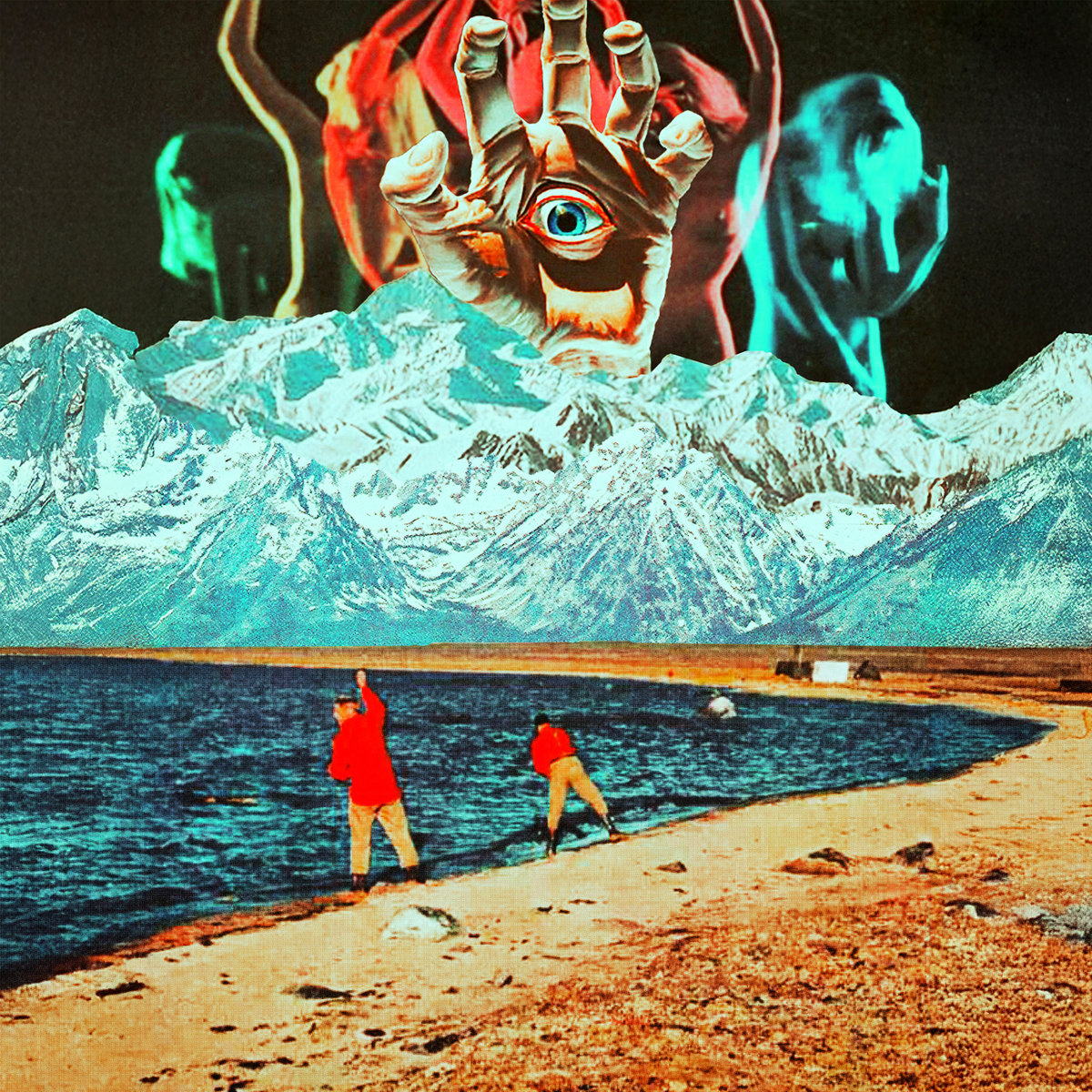
Les Big Byrd – Ruin Everything (PNKSLM)
Motorik grooves, space-rock jams, and plenty of knowing humor fuel this Swedish band’s fifth album
For a Swedish motorik psych band, naming the opening song on your new album “Hökvind” is both very on the nose and hilarious. Give these guys — whose members have played in The Caesars, The Teddybears, and Fireside — credit: they are not shy about their influences, know their audience, and aren’t afraid of dumb fun and groanworthy cross-cultural puns. (This is a band who also named an album Iran Iraq IKEA.) But they also rip, as “Hökvind” makes clear — a soaring, searing, one-chord space-rock jam worthy of Warrior at the Edge of Time that needs all seven minutes to burn through the atmosphere.
Ruin Everything also has beaming Manchester-inspired psych-pop (“Artificial Sunlight,” “Searchlight”), melodic shoegaze (“Big Flood”), and Detroit-style proto-punk burners (the title track). Les Big Byrd know their audience and consistently deliver the goods.
—
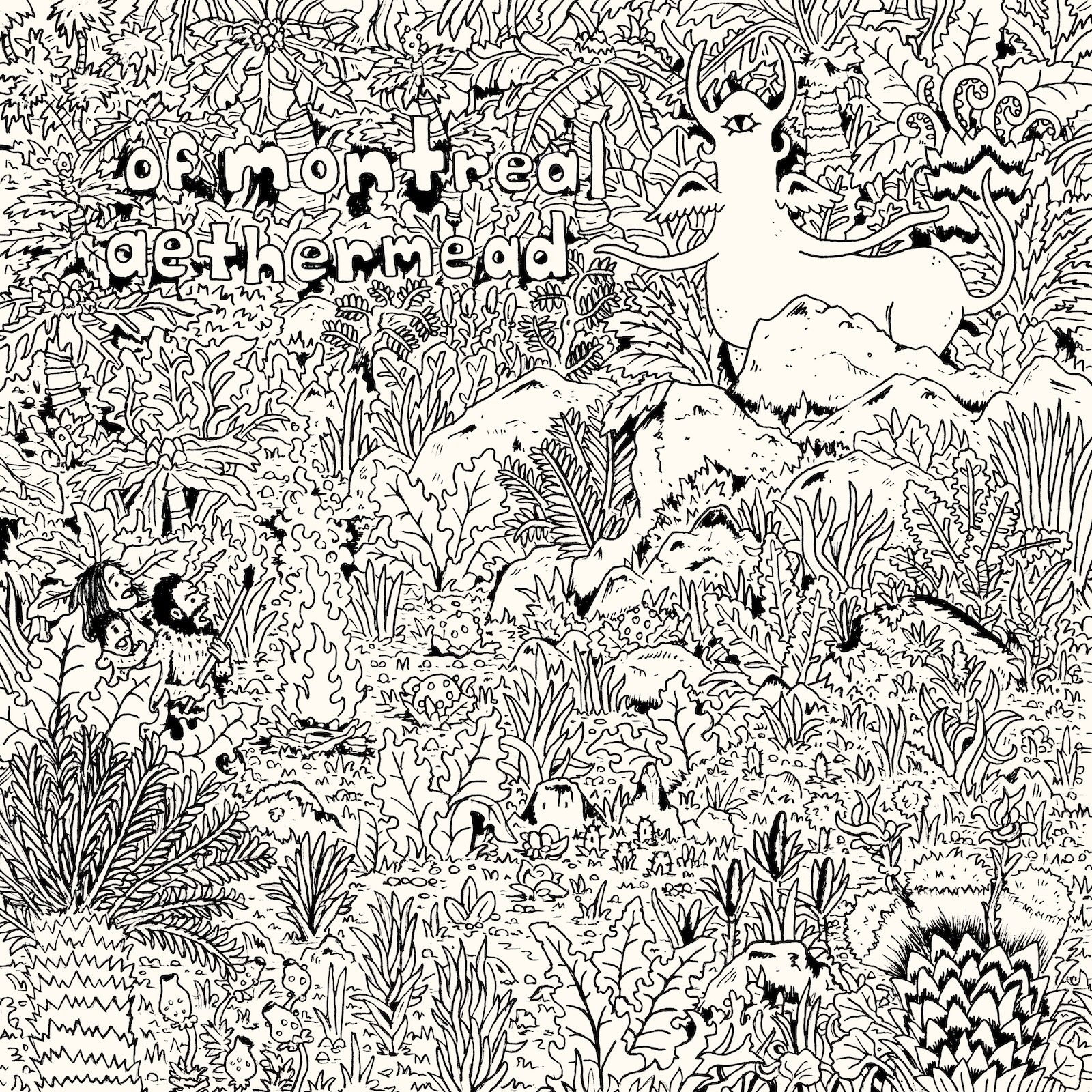
of Montreal – aethermead (Polyvinyl)
Kevin Barnes channels personal upheaval into one of Montreal’s rawest records
Two Thousand Twenty-Six marks of Montreal’s 30th anniversary, and the only constant across those three decades is Kevin Barnes. He has taken the band from whimsical, theatrical beginnings through their mid-’00s synthpop success and the years since, which have been a little hit or miss. Across the whole thing, Barnes has remained an artist first, never seeming to really chase fame, even during his highest-profile era when horses were sometimes brought out onstage.
aethermead is the 20th of Montreal album and was made following a lot of personal upheaval in founder Kevin Barnes’ world, including a breakup with his then-fiancée that found him relocating from Vermont to Brooklyn. This is one of the most rock-oriented of Montreal albums, with big drums, lots of guitars, and not much in the way of synthesizers. It’s still instantly recognizable as of Montreal, from Barnes’ melodies and harmonies to his sexually frustrated lyrical themes. This time it’s all filtered through the prism of a breakup record. This is from the angsty, loud “When”:
Some may find it all a little TMI or cringe — Barnes admits it’s personal and confessional “to an embarrassing degree” — but it’s definitely sparked something in him. aethermead crackles with angsty energy and, musically, features some of his most engaging songs in a while, potentially ushering in yet another new era for this mercurial band.
—
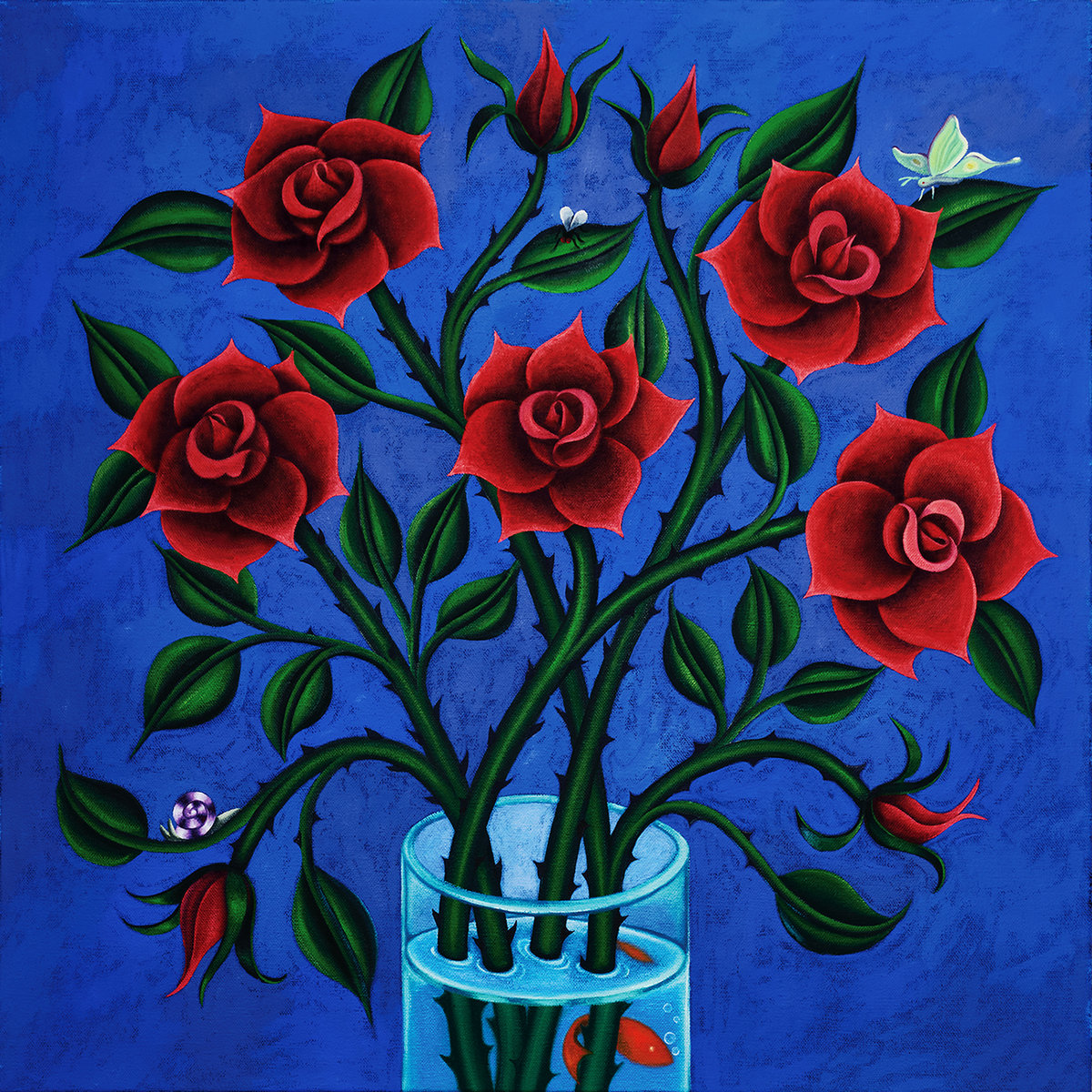
Widowspeak – Roses (Captured Tracks)
The Brooklyn scene may have changed, but Widowspeak’s gift for timeless songs remains intact
North Brooklyn looks a lot different from when Widowspeak first started, playing Williamsburg spots like Glasslands and Secret Project Robot. Bands have come and gone, scenes have risen and fallen, but Molly Hamilton and Robert Earl Thomas are still here, still on the same label, and with a sound that is largely unchanged from their 2011 self-titled debut.
They are also one of the best, most consistently rewarding Brooklyn bands of the last 15 years. So consistent, in fact, that Widowspeak can feel a little taken for granted, but one listen to Roses, their sixth album, and those same pleasure centers awaken again. It’s down to this: Hamilton and Thomas write finely crafted, well-observed songs that put you in a time and place, and Thomas’ production brings them to life with satisfying, dreamy, twangy arrangements. And of course they’re sung by Hamilton, who possesses a smoky, ethereal voice that lifts everything into the clouds.
As long as Widowspeak are making music, and songs as good as “Soft Cover” (easily one of their best singles), a little bit of the old Williamsburg remains alive.
—
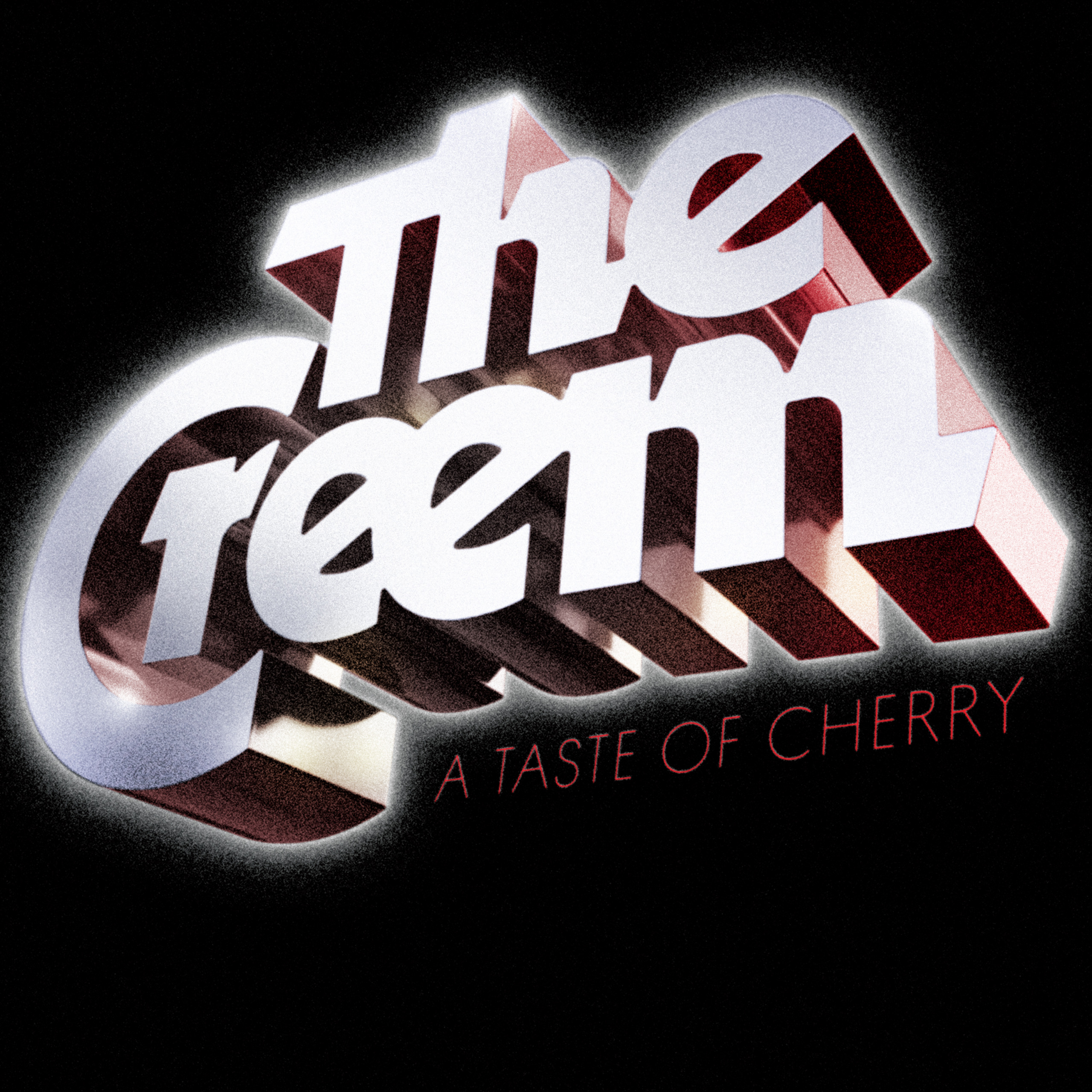
The Creem – A Taste of Cherry (self-released)
Founding members of Ratatat and Islands/Unicorns team up not for ’00s sleaze but ’70s glam
There’s been a lot of talk about “indie sleaze” (not a real term) and “Williamsburg hipsters” (who, sorry Adam Rotstein, were not into and actually predate Stomp Clap) lately, and as someone who lived in North Brooklyn during that era (and still does), I thought of all this while listening to the debut album from The Creem, the new band formed by guys who came up through the mid-’00s indie era: Islands/Unicorns’ Nick Thorburn and Ratatat’s Mike Stroud.
Fans of both acts will detect traces of Islands and Ratatat in their glam-pop sound, but A Taste of Cherry is not so much sleazy as it is coated in a distinctive mid-’70s smear of Vaseline on the lens. “Goodbye” could’ve been on Paul McCartney’s solo debut, while “A Taste of Cherry” takes the glitter and goes widescreen. Stroud’s twin-lead guitar style, which was at the core of Ratatat’s sound, is all over these songs, which play a bit like The Strokes if their chief influences were ELO and T. Rex instead of Tom Petty and Television.
—
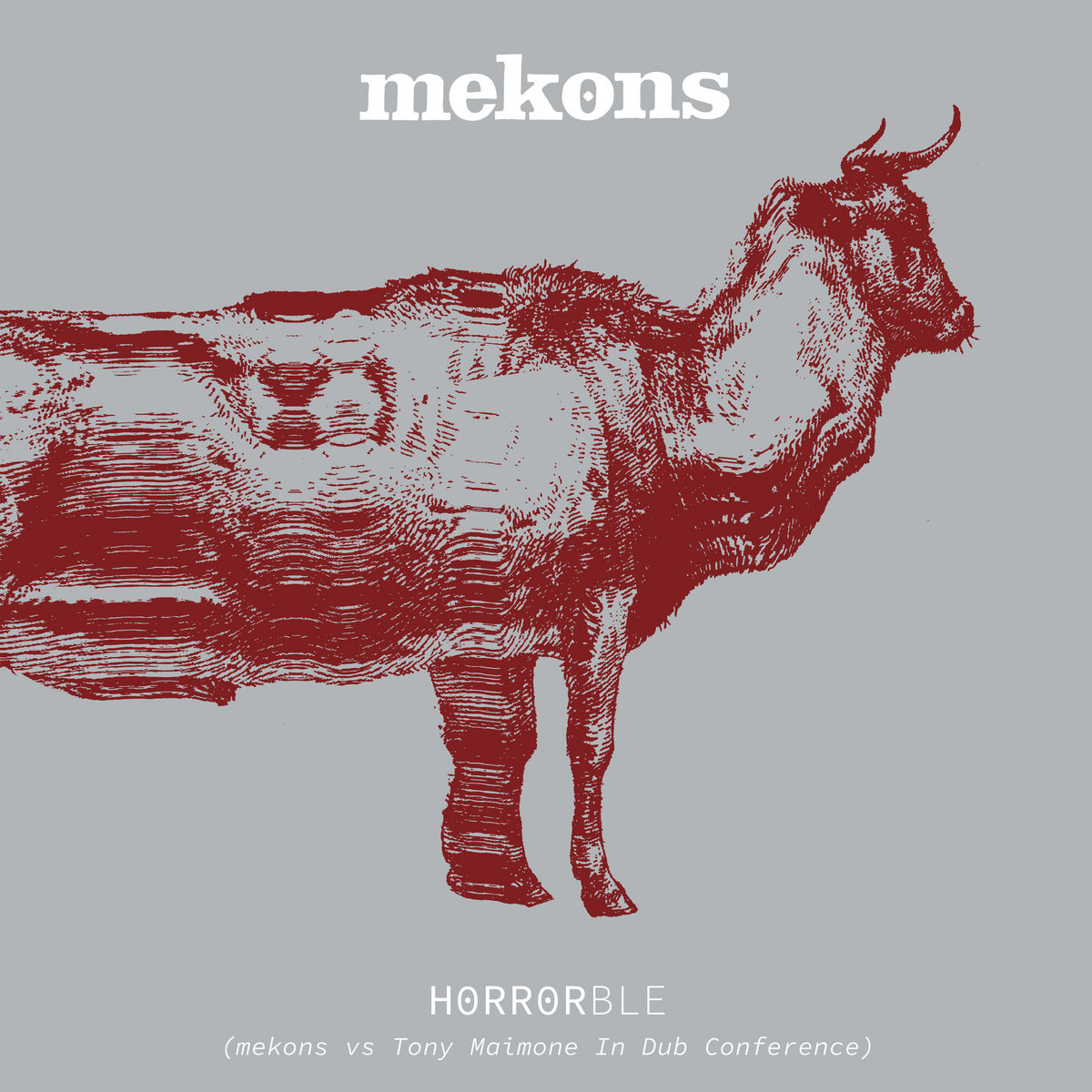
Mekons – Horrorble (Mekons vs Tony Maimone In Dub Conference) (Fire)
Mekons’ 2025 album ‘Horror’ undergoes a full-album dub mix by former Pere Ubu bassist Tony Maimone
Full-album dub mixes are back: Spoon and Panda Bear/Sonic Boom have both done them in recent years, and Primal Scream’s Echo Dek got a much-needed reissue for Record Store Day this year. All of those were reworked by Adrian Sherwood, but in this case Mekons have tapped former Pere Ubu bassist Tony Maimone to give their excellent 2025 album Horror a top-to-bottom dub version. There was already a little bit of reggae on Horror — and it wasn’t their first dalliance with the genre either — and Maimone and Mekons go way back, so this one makes sense.
“We first met Tony Maimone when we opened for Cleveland’s darkest art rockers Pere Ubu on a long, weird tour of the UK in 1988,” say Mekons of the collaboration. “By 1991 he was somehow playing bass for a newly fractured Mekons on a longer, weirder tour of Europe, bashing out songs from the Curse album, which never saw the light of day in the US. In 2015 Tony unleashed the Studio G mobile to record Existentialism, the Mekons’ instant live album featuring brand new songs. Recorded in one night at a tiny theater in Brooklyn, while mixing and editing the batch of tunes that became Horror, we had a feeling they might have some sort of secret double life. So much potential and split decisions that could’ve gone either way. Tony was the man to get his tools out and see what lurked beneath to make it truly Horrorble.”
This is not as radical a rework as what Sherwood did to Spoon or Primal Scream. Maimone reconfigures the track order, and the reggae-leaning songs like “Glasgow,” “The War Economy,” and “The Western Design” fare best, naturally, but the other songs all take on a more ominous tone thanks to the reverb and effects. Best of all is “Mudcrawlers,” which undergoes a total overhaul with Benji Webbe of dancehall-metal legends Skindred brought in for lead vocals. More like that would’ve made Horrorble more distinctive, but it’s still a worthy companion to Horror.
—
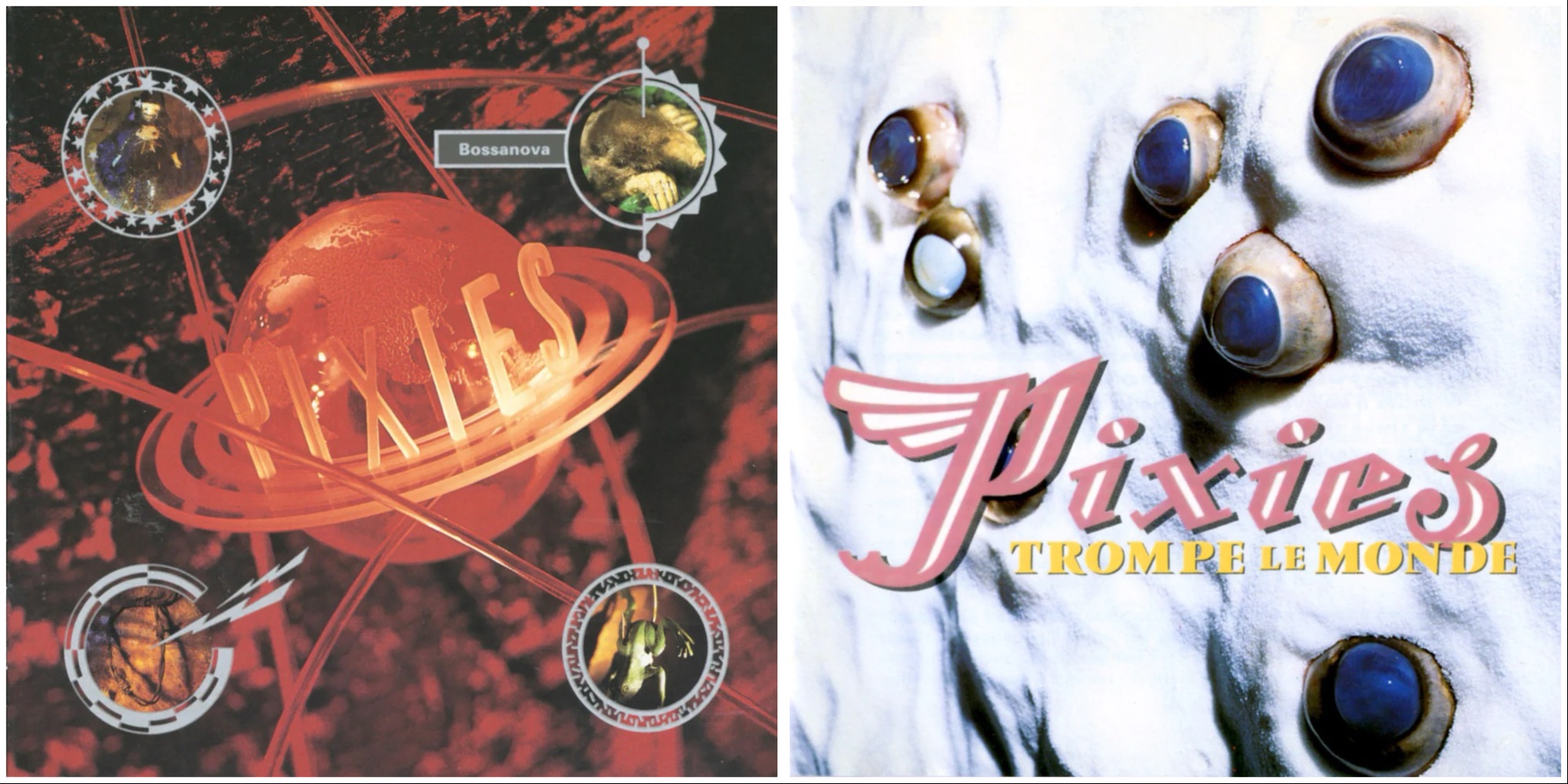
INDIE BASEMENT CLASSICS: Pixies – Bossanova and Trompe Le Monde (4AD, 1990 / 1991)
Pixies’ final two albums of the original era remain thrillingly weird, loud, and inventive…and are getting new remastered vinyl reissues
Pixies just announced newly remastered reissues of their final two original era albums — 1990’s Bossanova and 1991’s Trompe Le Monde — and with that, here’s a two-fer Indie Basement Classics look back…
After the flat-out brilliance of Surfer Rosa and Doolittle, Pixies’ third album was seen as something of a disappointment, but Bossanova has gotten better with age. Made in Los Angeles and written mostly in the studio, you can feel the West Coast pull on the band, who mellow just a little as Black Francis and co. further explore their sci-fi surf-rock tendencies. They may have been written on the fly, but “Velouria,” “Allison,” “Dig for Fire,” “All Over the World,” “Is She Weird,” and “Hang Wire” possess riptide energy. Don’t diss Bossanova!
The band cranked things back up for their fourth album in four years — and last for this original lineup of Pixies. Trompe Le Monde is Pixies’ loudest, noisiest album. It’s also one of their most fun, with Black Francis’ flights of fancy heading even further into outer space, aided by keyboardist Eric Drew Feldman, who adds UFO keyboards to much of the record. Their punky cover of The Jesus & Mary Chain’s “Head On” was the album’s hit, but Trompe Le Monde is jam-packed with Pixies-penned classics, the best of which were not chosen as singles: “U-Mass,” with its monster riff and chorus of “It’s educational!”; “Space (I Believe In),” another guitar crusher with a memorably weird vocal hook (“Jefrey with one F, Jef-rey!”); and poppier tracks like “Letter to Memphis” and “Motorway to Roswell.” Kim may not have any songs here (The Breeders were in full effect by this point), but her flinty basslines give much of the album its edge. Pixies’ subsequent breakup, following a 30-date opening slot on U2’s Zoo TV Tour, has colored the album a bit, but 30 years later Trompe Le Monde is a helluva way to go out.
Preorder the new versions of Bossanova and Trompe Le Monde on vinyl, not to mention our exclusive vinyl variant of Complete B-Sides, in the BV shop.
—
Looking for more? Browse the Indie Basement archives.
And check out what’s new in our shop.
Elizabeth Fraser w/ Massive Attack at Radio City Music Hall, 2019 (photo by P Squared)
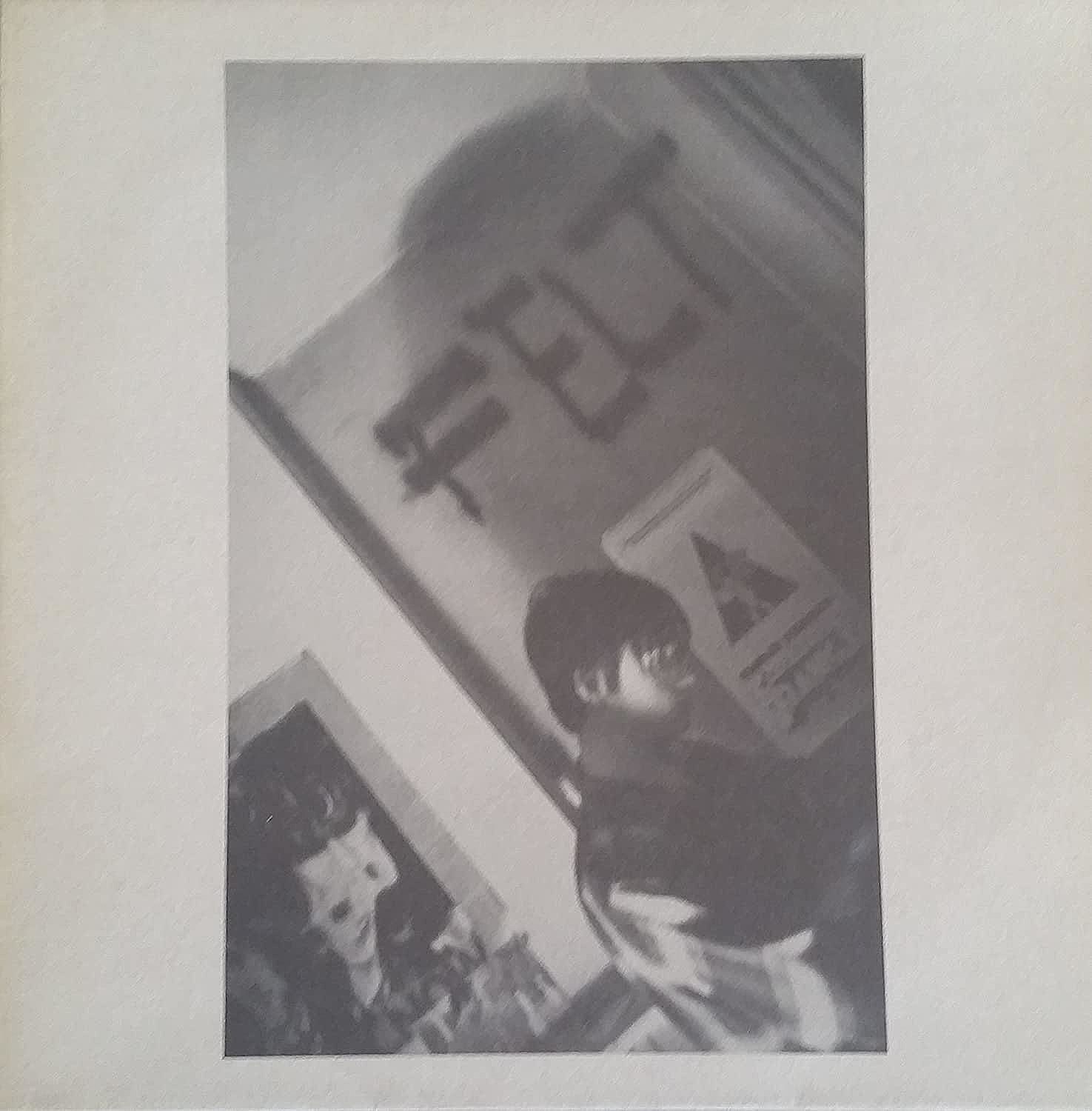
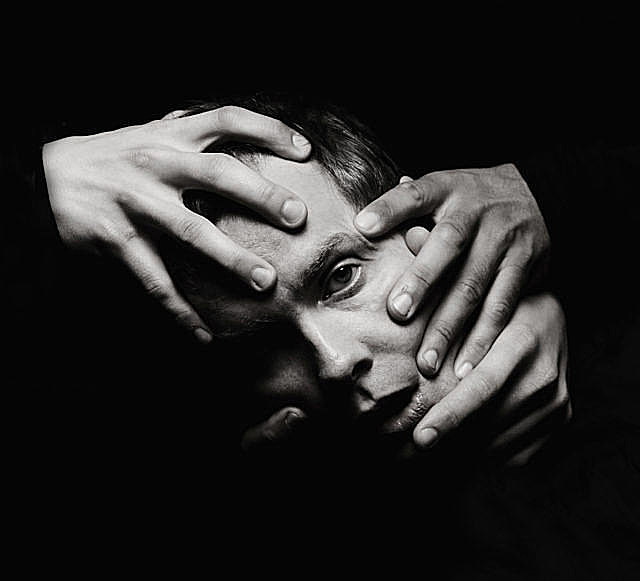
photo by Barnaby Roper
Continue reading...
For this week’s Indie Basement Classic I do a two-fer from one of the biggest college radio acts of the late-’80s and early-’90s.
Over in Notable Releases, there are reviews of new albums from Converge, Bedouine, Death Cab for Cutie, Modest Mouse, Vince Staples and more.
On this week’s episode of BV Interviews I talk to Doublespeak, aka Vince Clarke (Erasure, Yazoo), Neil Arthur (Blancmange), and Benge.
Head below for this week’s reviews…
ALBUM OF THE WEEK #1: Lee “Scratch” Perry & Mouse on Mars – Spatial No Problem (Domino)
German duo Mouse on Mars turn some of the reggae/dub icon’s final recordings into a vibrant, genre-hopping tribute
Reggae and dub icon Lee “Scratch” Perry died in 2021 and was prolific till the end. Not unlike Tupac, there have been a lot of posthumous albums claiming to be the “final” one, and who knows which will actually be the last, but this one will be hard to top.
Made with experimental German electronic duo Mouse on Mars, the bulk of the record was recorded during a whirlwind four-day session in 2019 involving a dozen musicians. The original idea was for the album to be made specifically for spatial audio, the immersive, multi-channel format that can create a 360-degree experience where sound comes from everywhere. They asked Lee if he had ever heard of it. “Spatial?” he replied. “No problem.”
Perry, meanwhile, had only one edict for Mouse on Mars: he didn’t want to make a reggae album. During the four days they spent together, they recorded nonstop while Lee redecorated the studio with his suitcase of trinkets and tokens, while he was on the mic grooving with the assembled band, while he was making Jamaican fish stew, and while the musicians worked on new ideas. It took a while for MoM’s Jan St. Werner and Andi Toma to complete the album, thanks first to the pandemic and then Perry’s death. “The sessions were quite drawn-out, you could maybe call them unsorted,” Toma told The Guardian, “but actually, about 70% of what made every song was already there: their structure, the different parts, and who added what. It developed quite organically. We only had to cut around it a little bit.”
Like a good fish stew, some things need time to marinate and simmer, and what they’ve created is a delicious concoction with an intoxicating aroma and a complex broth with lots to sink your teeth into. That stew was at least a little bit of the inspiration for Spatial, No Problem‘s first single and opening track, “Rockcurry,” an infectious creation that sounds like something that could’ve come out of Nassau’s legendary Compass Point Studios in 1980 — think Talking Heads or Grace Jones — all giddy, playful, and very danceable. Genuinely fantastic.
The album I would most readily compare it to is David Byrne and Brian Eno’s My Life in the Bush of Ghosts, with Lee’s mystical ramblings substituting for samples of exorcists and field recordings. Musically, many of these tracks are built on krautrock rhythms, and then things go global with horns, backing singers, flutes, a variety of synthesizers, and other instrumentation.
These songs ride grooves more than they follow traditional pop structures, but St. Werner and Toma keep things engaging with inventive, trippy arrangements that feel like a tribute to Perry’s influential dub productions. This may not be a reggae album, but tracks like “Spatiallee,” “Yayaya,” and the wonderful, jazzy closer “State of Emergency” are reggae-adjacent. Then there’s “To the Rescue,” which is as dubby as it gets.
The album’s other clear standout, alongside “Rockcurry,” is “Fire Dali,” which is powered by a hypnotic two-note bassline and rolling percussion over which Perry intones as horns swell and recede. As the song fades, he sighs “Black Ark,” referencing his famed Black Ark Studios in Jamaica, which burned to the ground in 1979 (allegedly at Scratch’s own hands), as Mouse on Mars incorporate field recordings captured at the site where it once stood.
This will definitely not be the last posthumous Perry album — Adrian Sherwood says he has one coming too — but it’s hard to imagine a more fitting tribute to the legend than Spatial, No Problem.
—
ALBUM OF THE WEEK #2: Slippers – Slippers 08 (K)
Winsome without ever becoming saccharine, Slippers’ second album is a jangly treat
Madeline Babuka Black, who used to play in NYC bands Yucky Duster and Beverly, and is currently in LA’s Le Pain, makes wonderful janglepop on her own as Slippers. This is her second full-length album and it’s overflowing with hooky delights and quirky charm. Like with Lande Hekt’s equally great Lucky Now from earlier this year, it’s hard not to use the word “winsome” here, but Madeline embodies the best aspects of it: sweet and just a little sad, and never saccharine. Also: memorable song after memorable song.
“Castaways” has already cast its spell on you before the twin leads enter the scene, and when it goes full George Harrison, resistance is futile. Then there’s “Wants for Everyone” that grabs you from its opening seconds: the jazzy, lightly distorted chording is an instant endorphin rush, recalling those Swedish groups from the mid-’90s (The Cardigans, Eggstone). That’s before the chorus, before the part where she sings along with the lightly gnarly guitar solo, and definitely before the “ooooooohweeoooohs” that take it into the stratosphere.
The delights keep coming: “Wasted Tonight” has 12-string arpeggios, a “Bah Bah” refrain, more twin leads, and an irresistible key change; “Until You Can’t Give Up On Me” layers in perfectly spacey keyboards; and “Fool In Your Room” is a 1:40 earworm about a post-one-night-stand escape. Who knew you could squeeze so much into such little packages? Slippers 08 is a real treat.
—
Les Big Byrd – Ruin Everything (PNKSLM)
Motorik grooves, space-rock jams, and plenty of knowing humor fuel this Swedish band’s fifth album
For a Swedish motorik psych band, naming the opening song on your new album “Hökvind” is both very on the nose and hilarious. Give these guys — whose members have played in The Caesars, The Teddybears, and Fireside — credit: they are not shy about their influences, know their audience, and aren’t afraid of dumb fun and groanworthy cross-cultural puns. (This is a band who also named an album Iran Iraq IKEA.) But they also rip, as “Hökvind” makes clear — a soaring, searing, one-chord space-rock jam worthy of Warrior at the Edge of Time that needs all seven minutes to burn through the atmosphere.
Ruin Everything also has beaming Manchester-inspired psych-pop (“Artificial Sunlight,” “Searchlight”), melodic shoegaze (“Big Flood”), and Detroit-style proto-punk burners (the title track). Les Big Byrd know their audience and consistently deliver the goods.
—
of Montreal – aethermead (Polyvinyl)
Kevin Barnes channels personal upheaval into one of Montreal’s rawest records
Two Thousand Twenty-Six marks of Montreal’s 30th anniversary, and the only constant across those three decades is Kevin Barnes. He has taken the band from whimsical, theatrical beginnings through their mid-’00s synthpop success and the years since, which have been a little hit or miss. Across the whole thing, Barnes has remained an artist first, never seeming to really chase fame, even during his highest-profile era when horses were sometimes brought out onstage.
aethermead is the 20th of Montreal album and was made following a lot of personal upheaval in founder Kevin Barnes’ world, including a breakup with his then-fiancée that found him relocating from Vermont to Brooklyn. This is one of the most rock-oriented of Montreal albums, with big drums, lots of guitars, and not much in the way of synthesizers. It’s still instantly recognizable as of Montreal, from Barnes’ melodies and harmonies to his sexually frustrated lyrical themes. This time it’s all filtered through the prism of a breakup record. This is from the angsty, loud “When”:
I don’t need to be your exalted one
Don’t wanna be in your social circle
Don’t need to be friends with your friends
I don’t really care what kind of message this sends
I just wanna fuck you again
I just wanna fuck you again
When can I fuck you again?
Some may find it all a little TMI or cringe — Barnes admits it’s personal and confessional “to an embarrassing degree” — but it’s definitely sparked something in him. aethermead crackles with angsty energy and, musically, features some of his most engaging songs in a while, potentially ushering in yet another new era for this mercurial band.
—
Widowspeak – Roses (Captured Tracks)
The Brooklyn scene may have changed, but Widowspeak’s gift for timeless songs remains intact
North Brooklyn looks a lot different from when Widowspeak first started, playing Williamsburg spots like Glasslands and Secret Project Robot. Bands have come and gone, scenes have risen and fallen, but Molly Hamilton and Robert Earl Thomas are still here, still on the same label, and with a sound that is largely unchanged from their 2011 self-titled debut.
They are also one of the best, most consistently rewarding Brooklyn bands of the last 15 years. So consistent, in fact, that Widowspeak can feel a little taken for granted, but one listen to Roses, their sixth album, and those same pleasure centers awaken again. It’s down to this: Hamilton and Thomas write finely crafted, well-observed songs that put you in a time and place, and Thomas’ production brings them to life with satisfying, dreamy, twangy arrangements. And of course they’re sung by Hamilton, who possesses a smoky, ethereal voice that lifts everything into the clouds.
As long as Widowspeak are making music, and songs as good as “Soft Cover” (easily one of their best singles), a little bit of the old Williamsburg remains alive.
—
The Creem – A Taste of Cherry (self-released)
Founding members of Ratatat and Islands/Unicorns team up not for ’00s sleaze but ’70s glam
There’s been a lot of talk about “indie sleaze” (not a real term) and “Williamsburg hipsters” (who, sorry Adam Rotstein, were not into and actually predate Stomp Clap) lately, and as someone who lived in North Brooklyn during that era (and still does), I thought of all this while listening to the debut album from The Creem, the new band formed by guys who came up through the mid-’00s indie era: Islands/Unicorns’ Nick Thorburn and Ratatat’s Mike Stroud.
Fans of both acts will detect traces of Islands and Ratatat in their glam-pop sound, but A Taste of Cherry is not so much sleazy as it is coated in a distinctive mid-’70s smear of Vaseline on the lens. “Goodbye” could’ve been on Paul McCartney’s solo debut, while “A Taste of Cherry” takes the glitter and goes widescreen. Stroud’s twin-lead guitar style, which was at the core of Ratatat’s sound, is all over these songs, which play a bit like The Strokes if their chief influences were ELO and T. Rex instead of Tom Petty and Television.
—
Mekons – Horrorble (Mekons vs Tony Maimone In Dub Conference) (Fire)
Mekons’ 2025 album ‘Horror’ undergoes a full-album dub mix by former Pere Ubu bassist Tony Maimone
Full-album dub mixes are back: Spoon and Panda Bear/Sonic Boom have both done them in recent years, and Primal Scream’s Echo Dek got a much-needed reissue for Record Store Day this year. All of those were reworked by Adrian Sherwood, but in this case Mekons have tapped former Pere Ubu bassist Tony Maimone to give their excellent 2025 album Horror a top-to-bottom dub version. There was already a little bit of reggae on Horror — and it wasn’t their first dalliance with the genre either — and Maimone and Mekons go way back, so this one makes sense.
“We first met Tony Maimone when we opened for Cleveland’s darkest art rockers Pere Ubu on a long, weird tour of the UK in 1988,” say Mekons of the collaboration. “By 1991 he was somehow playing bass for a newly fractured Mekons on a longer, weirder tour of Europe, bashing out songs from the Curse album, which never saw the light of day in the US. In 2015 Tony unleashed the Studio G mobile to record Existentialism, the Mekons’ instant live album featuring brand new songs. Recorded in one night at a tiny theater in Brooklyn, while mixing and editing the batch of tunes that became Horror, we had a feeling they might have some sort of secret double life. So much potential and split decisions that could’ve gone either way. Tony was the man to get his tools out and see what lurked beneath to make it truly Horrorble.”
This is not as radical a rework as what Sherwood did to Spoon or Primal Scream. Maimone reconfigures the track order, and the reggae-leaning songs like “Glasgow,” “The War Economy,” and “The Western Design” fare best, naturally, but the other songs all take on a more ominous tone thanks to the reverb and effects. Best of all is “Mudcrawlers,” which undergoes a total overhaul with Benji Webbe of dancehall-metal legends Skindred brought in for lead vocals. More like that would’ve made Horrorble more distinctive, but it’s still a worthy companion to Horror.
—
INDIE BASEMENT CLASSICS: Pixies – Bossanova and Trompe Le Monde (4AD, 1990 / 1991)
Pixies’ final two albums of the original era remain thrillingly weird, loud, and inventive…and are getting new remastered vinyl reissues
Pixies just announced newly remastered reissues of their final two original era albums — 1990’s Bossanova and 1991’s Trompe Le Monde — and with that, here’s a two-fer Indie Basement Classics look back…
After the flat-out brilliance of Surfer Rosa and Doolittle, Pixies’ third album was seen as something of a disappointment, but Bossanova has gotten better with age. Made in Los Angeles and written mostly in the studio, you can feel the West Coast pull on the band, who mellow just a little as Black Francis and co. further explore their sci-fi surf-rock tendencies. They may have been written on the fly, but “Velouria,” “Allison,” “Dig for Fire,” “All Over the World,” “Is She Weird,” and “Hang Wire” possess riptide energy. Don’t diss Bossanova!
The band cranked things back up for their fourth album in four years — and last for this original lineup of Pixies. Trompe Le Monde is Pixies’ loudest, noisiest album. It’s also one of their most fun, with Black Francis’ flights of fancy heading even further into outer space, aided by keyboardist Eric Drew Feldman, who adds UFO keyboards to much of the record. Their punky cover of The Jesus & Mary Chain’s “Head On” was the album’s hit, but Trompe Le Monde is jam-packed with Pixies-penned classics, the best of which were not chosen as singles: “U-Mass,” with its monster riff and chorus of “It’s educational!”; “Space (I Believe In),” another guitar crusher with a memorably weird vocal hook (“Jefrey with one F, Jef-rey!”); and poppier tracks like “Letter to Memphis” and “Motorway to Roswell.” Kim may not have any songs here (The Breeders were in full effect by this point), but her flinty basslines give much of the album its edge. Pixies’ subsequent breakup, following a 30-date opening slot on U2’s Zoo TV Tour, has colored the album a bit, but 30 years later Trompe Le Monde is a helluva way to go out.
Preorder the new versions of Bossanova and Trompe Le Monde on vinyl, not to mention our exclusive vinyl variant of Complete B-Sides, in the BV shop.
—
Looking for more? Browse the Indie Basement archives.
And check out what’s new in our shop.
THE MOON & THE MELODIES: 12 SONGS FEATURING ELIZABETH FRASER
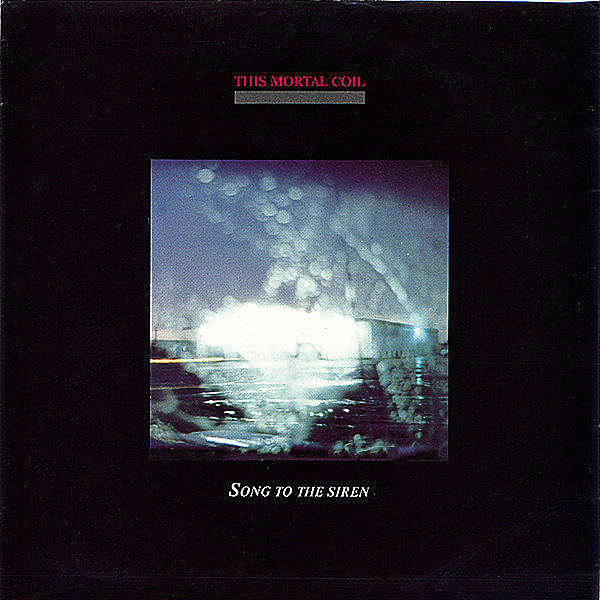
This Mortal Coil – “A Song to the Siren”
Most people want Elizabeth Fraser for her voice's more angelic qualities, but she's got quite the range, and her lower register can be just as transportive, as this spine-tingling cover of Tim Buckley's "Song to the Siren" proves. This Mortal Coil was the recording project of 4AD Records founder Ivo Watts-Russell and producer John Fryer, and "Song to the Siren" -- Ivo's favorite song of all time -- was TMC's debut single in 1983. With guitar from Robin Guthrie, it remains one of the most unforgettable showcases for Fraser's emotive pipes. This Mortal Coil's version has touched a lot of people over the years, perhaps none more so than filmmaker David Lynch, who has called it his favorite piece of music ever. He was obsessed with "Song to the Siren" during the making of Blue Velvet, and wanted Fraser and Guthrie to perform it in the film, but usage rights were out of the film's budget. Lynch eventually got to use it 10 years later in Lost Highway. "That song does something to me, for sure," Lynch told The Guardian.
Jeff Buckley & Elizabeth Fraser – “All Flowers in Time (Bend Toward the Sun)” (demo)
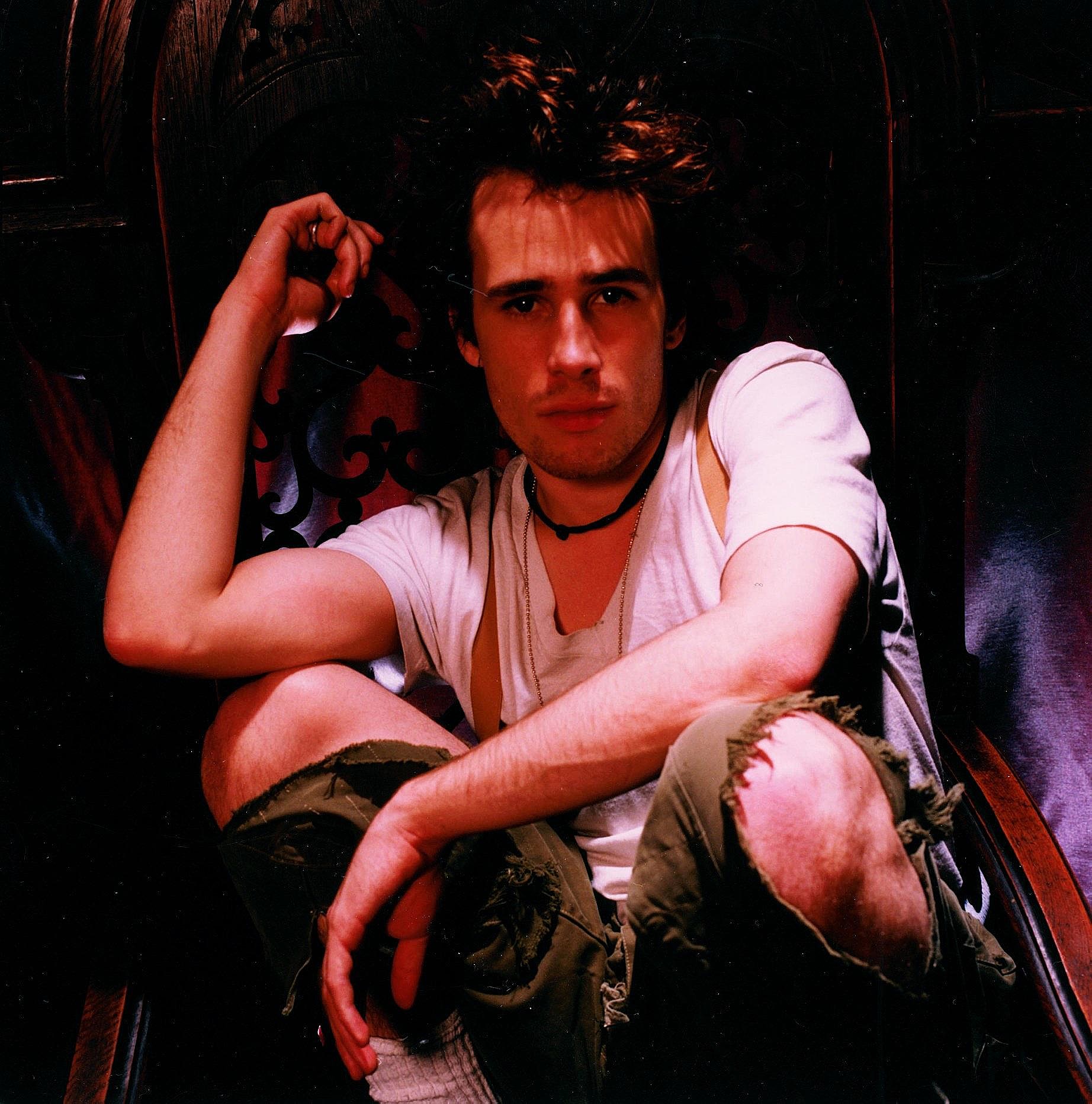
Jeff Buckley loved This Mortal Coil's cover of his father's "Song to the Siren," and the musical admiration was mutual, as Fraser was enamored with Jeff Buckley's album Grace. Their mutual admiration grew into a short but passionate love affair somewhere around 1994, which was not long after her relationship with Robin Guthrie ended. (Cocteau Twins continued till 1997.) "I just couldn't help falling in love with him," she said in BBC documentary Jeff Buckley - Everybody Here Wants You. "I read his diaries, he read mine. We'd just swap...I've never done that with anybody else." While it didn't last, at least one song was written during their relationship. "All the Flowers in Time (Bend Toward the Sun)" is a gorgeous duet between Buckley and Fraser, with Jeff singing the chorus of "Oh, all flowers in time bend towards the sun / I know you say that there's no-one for you / But here is one." It's a rough demo that has never been commercially released, but you don't really need much more than their voices to have you wondering what could have been.
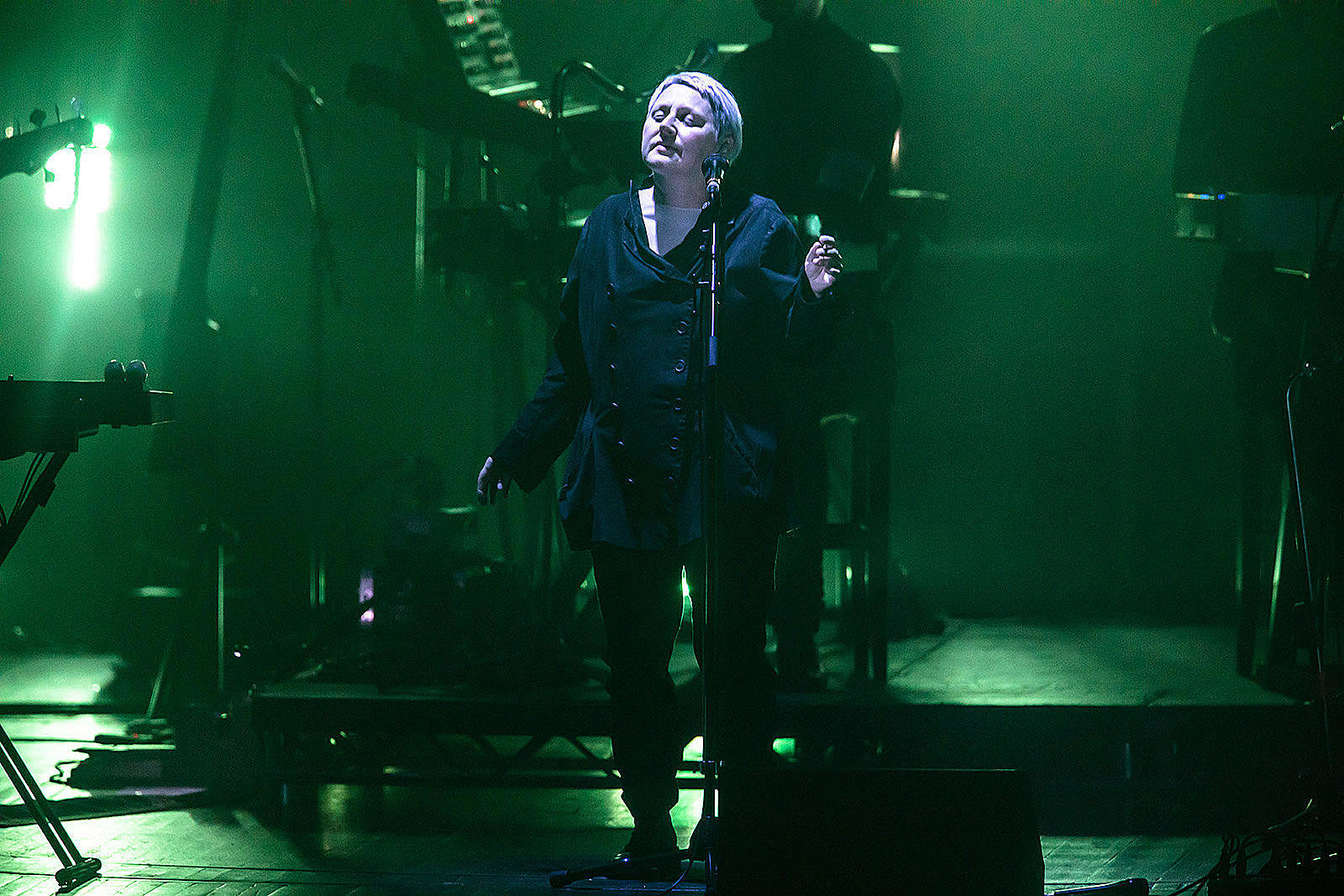
Elizabeth Fraser w/ Massive Attack at Radio City Music Hall, 2019 (photo by P Squared)
Massive Attack – “Teardrop”
Elizabeth Fraser's most popular song, Cocteau Twins or otherwise, is probably "Teardrop," one of three songs she sings on Massive Attack's 1998 album Mezzanine. It is the trip hop group's biggest UK hit, reaching #10, and it went to #1 in Iceland, and in the '00s became known as the theme song to TV show House. Liz says she learned of Jeff Buckley's death while recording it which influenced her lyrics. "I'd got letters out and I was thinking about him," Fraser told The Guardian. "That song's kind of about him – that's how it feels to me anyway." Interestingly, the track was almost given to Madonna. Massive Attack's Mushroom sent Madonna the instrumental and she really wanted to make it a single of her own. No disrespect to Madge but we're glad 3D and Daddy G won out. She can still belt it out, too.
Felt – “Primitive Painters”
One of the great UK indie singles -- and duets -- of the mid-'80s came about through happenstance. Felt, the cult band led by the iconoclastic Lawrence, hired Robin Guthrie to produce their 1985 album Ignite the Seven Cannons, the centerpiece of which was "Primitive Painters," with its hypnotic, cyclical riff. (You're right, it does sound a little like Guns N' Roses' "Paradise City.") Liz Fraser came to visit Guthrie in the studio while Felt were working on the song, and he had the idea to have her sing on it. Lawrence told Uncut: "He just played her the end section. I wrote the lyrics out for her on a piece of paper, she went in, listened to it once on headphones, and then just improvised around it. It was as real as that. It was a remarkable moment. When you listen back to something like that, we knew we’d got it." A classic was born.
photo by Barnaby Roper
Jónsi – “Cannibal”
One wonders if The Cocteau Twins didn't inspire all of what we think of as "Icelandic music" -- the kind that sounds like glaciers and waterfalls -- even if just through osmosis. Sigur Ros certainly got compared to the Cocteaus a lot when they first started, though the band always claimed they'd never listened to them. (Never?) "I really didn’t like that," says Sigur Ros' Jónsi of the comparisons. "I hated being compared to anybody. Then I got really into Cocteau Twins like two or three years ago. They’re so good. I understood the comparison then." Thankfully he came around as it's given us "Cannibal" from Jónsi's new solo album. It's the sound of two one-of-a-kind, unearthly voices meeting in the heavens.
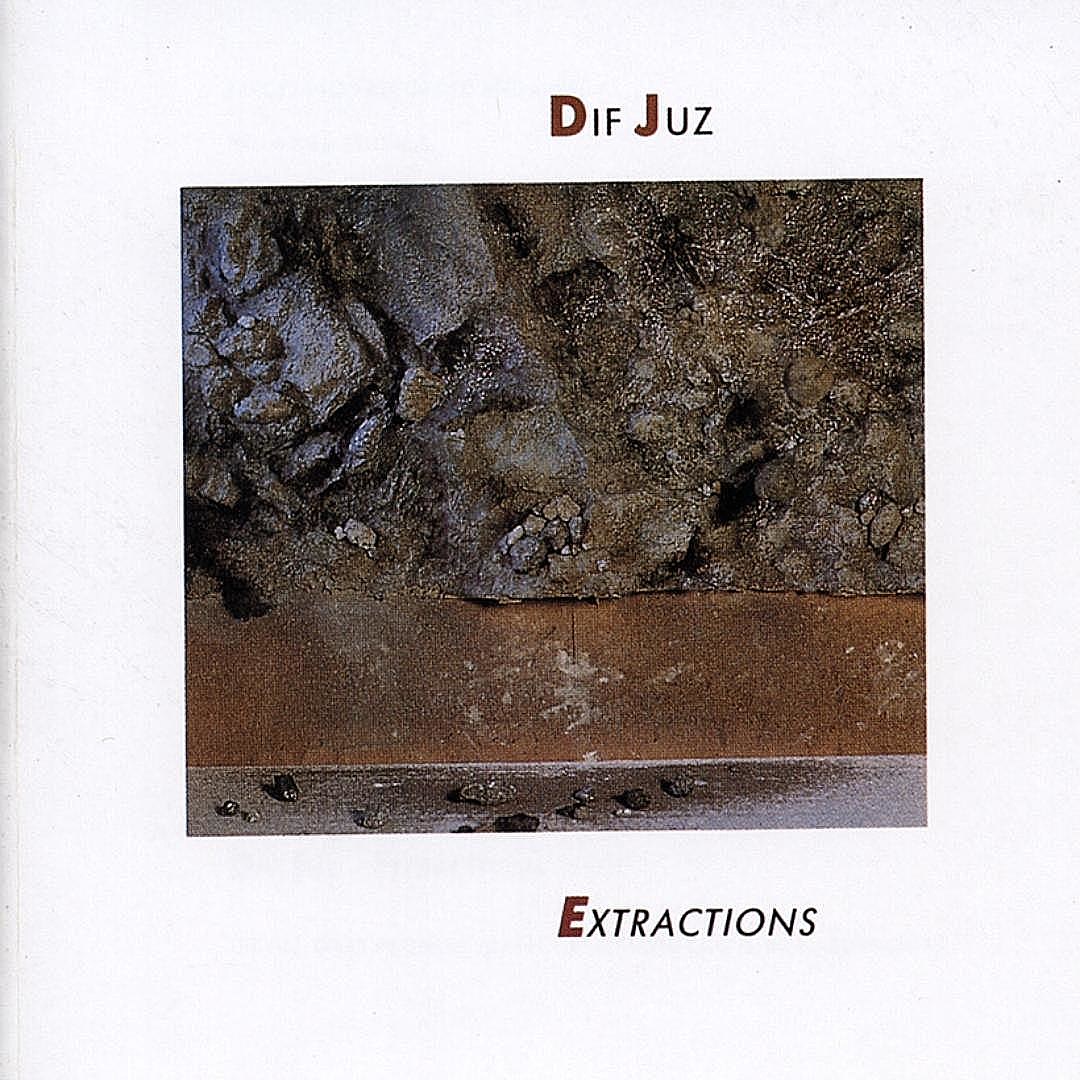
Dif Juz – “Love Insane”
Dif Juz were one of 4AD's early signings, an instrumental post-punk group whose sound fell somewhere between Cocteau Twins' ethereal wash and Dead Can Dance's baroque orchestrations. (The mix proved influential on the '90s post-rock scene.) Their 1985 album Extractions features this beautiful collaboration with Fraser that pairs her voice with delicate piano and saxophone. The group's Richard Thomas would return the favor by playing saxophone on Cocteau Twins' 1986 album Victorialand.
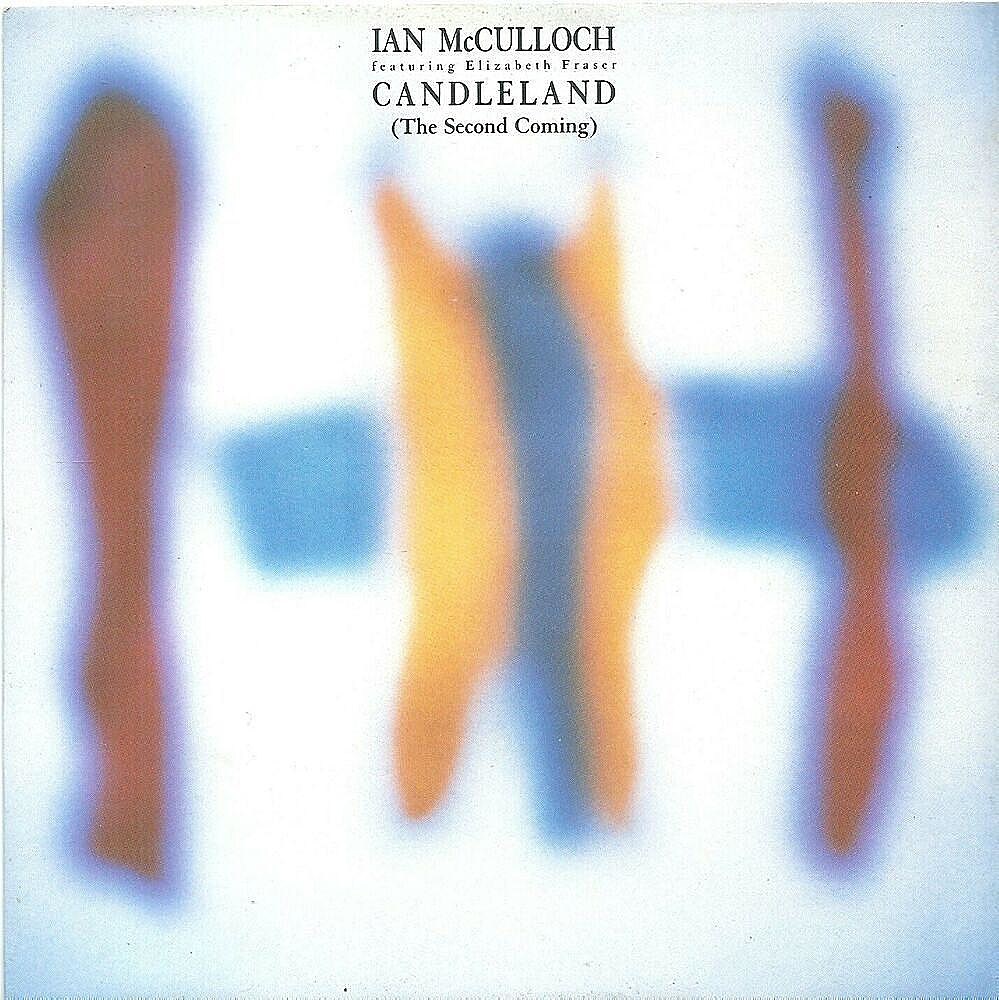
Ian McCulloch – “Candleland”
Here's another case of two iconic '80s voices coming together to make magic. Echo & the Bunnymen frontman Ian McCulloch brought in Fraser to sing on the title track of his 1989 solo debut. "Candleland" has a bit of a Cocteau Twins sound to it, with a gentle melody and treated, arpeggiated guitars, and would probably be considered a pleasant but less impressive song without her. What really makes "Candleland" soar is the alchemy of McCulloch's smoky croon and Fraser, who is at her most angelic here. The call-and-response at the end of the song could go on twice as long -- three times -- and would not get old. McCulloch & Fraser worked similar magic on "Heaven's Gate" from his second solo album, Mysterio.
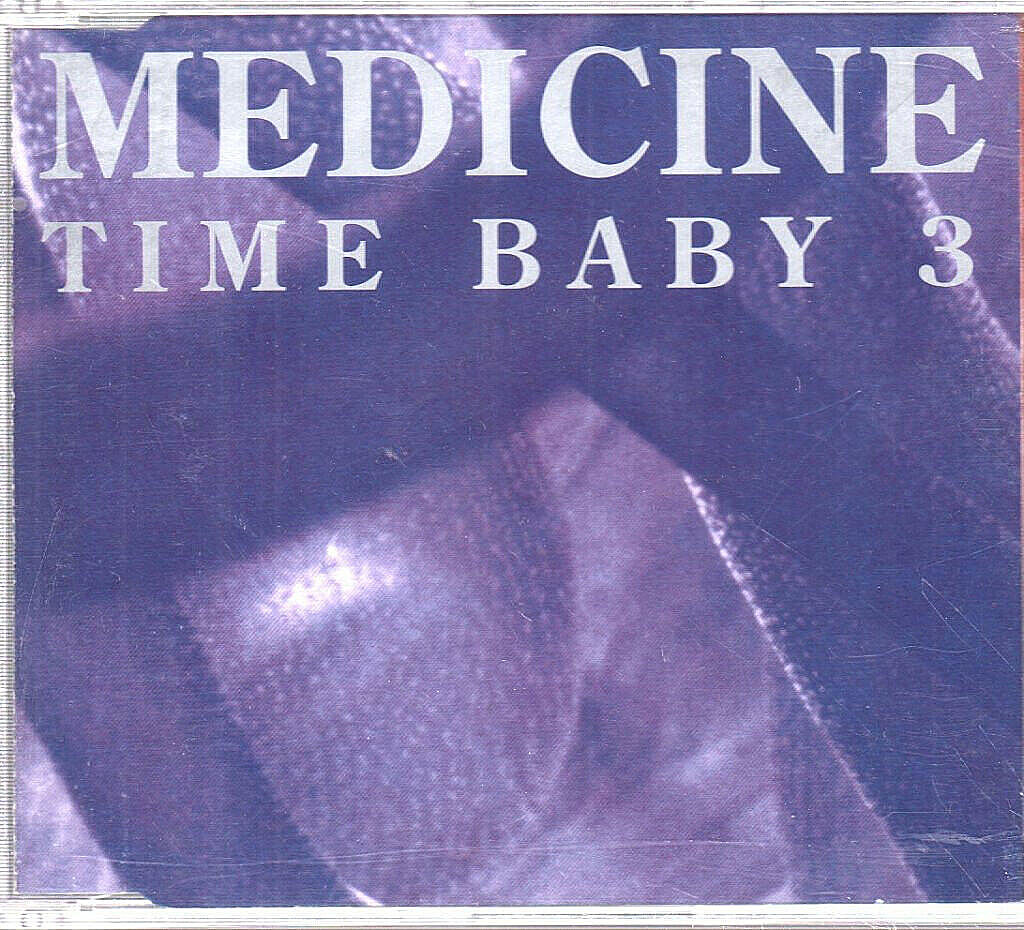
Medicine – “Time Baby 3”
Los Angeles shoegaze band Medicine were kind of America's My Bloody Valentine, not afraid to mix harsh noise, ethereal beauty and electronica in new and cool ways. The band appeared in the 1993 film The Crow, performing a rocking version of Time Baby II" in a club scene. The Crow soundtrack, however, featured a dreamy remix of the song by Robin Guthrie, dubbed "Time Baby III." Guthrie added some of his signature guitar stylings and brought in Liz Fraser for backing vocals. Most of what Fraser does is subtle, but then she unleashes her full power on some "no no nos," sending things into the stratosphere.
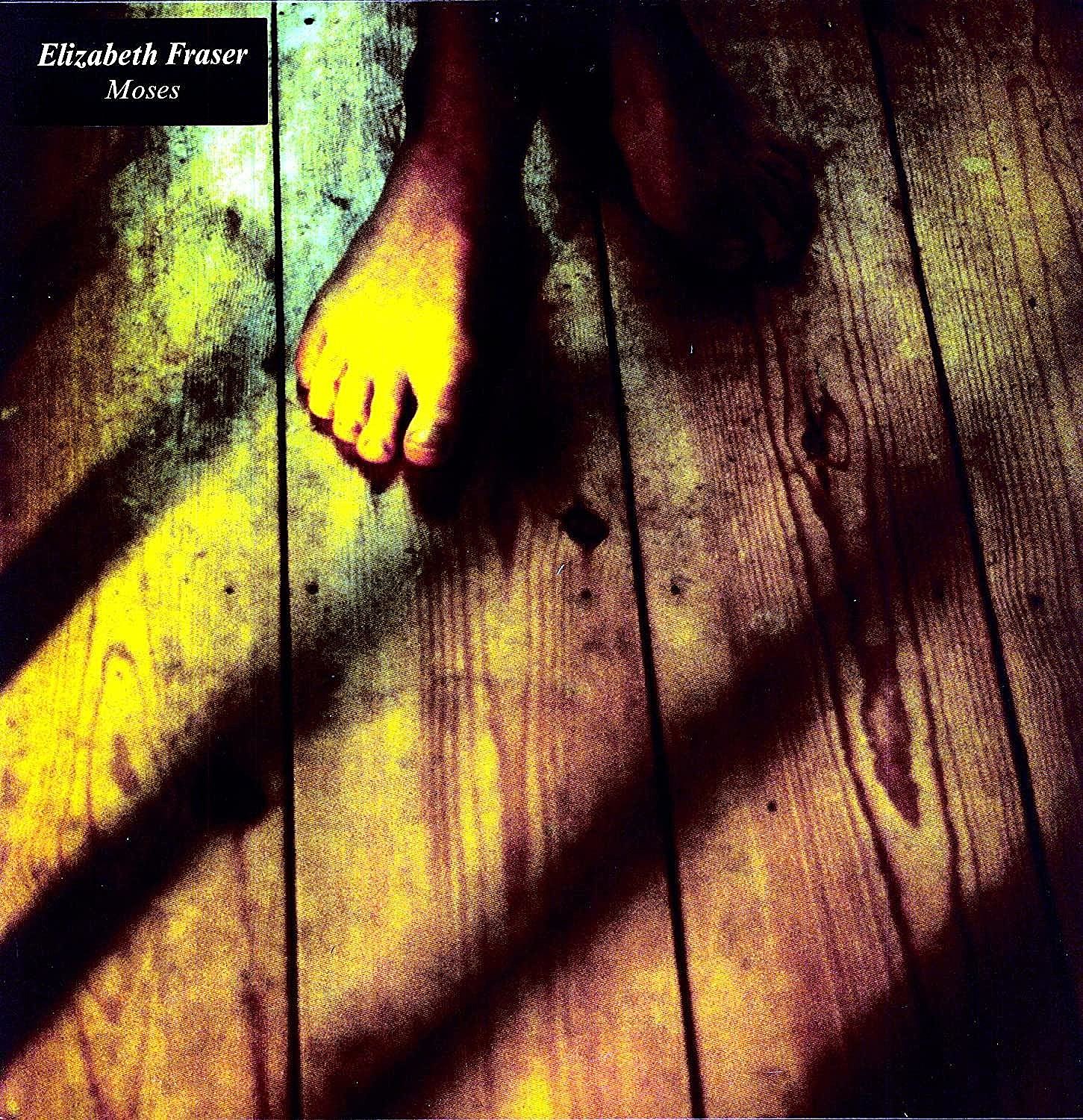
Elizabeth Fraser – “Moses”
Fraser hasn't made much music under her own name since the Cocteau Twins disbanded. She released a limited edition single, "Underwater," in 2000 (only 200 pressed); contributed a cover of Chic's "At Last I Am Free" to Rough Trade's 25th anniversary cover comp Stop Me If You Think You've Heard This One Before; and she put out this 2009 single which she released as a tribute to her friend and Echo & The Bunnymen collaborator Jake Drake-Brockman, who died that year. Made with her partner, drummer Damien Reese (Lupine Howl, Massive Attack, EATB), "Moses" rides a trip hop vibe by way of the French Riviera, but Fraser's voice is really the main instrument, with layer upon layer of gorgeous harmonies.
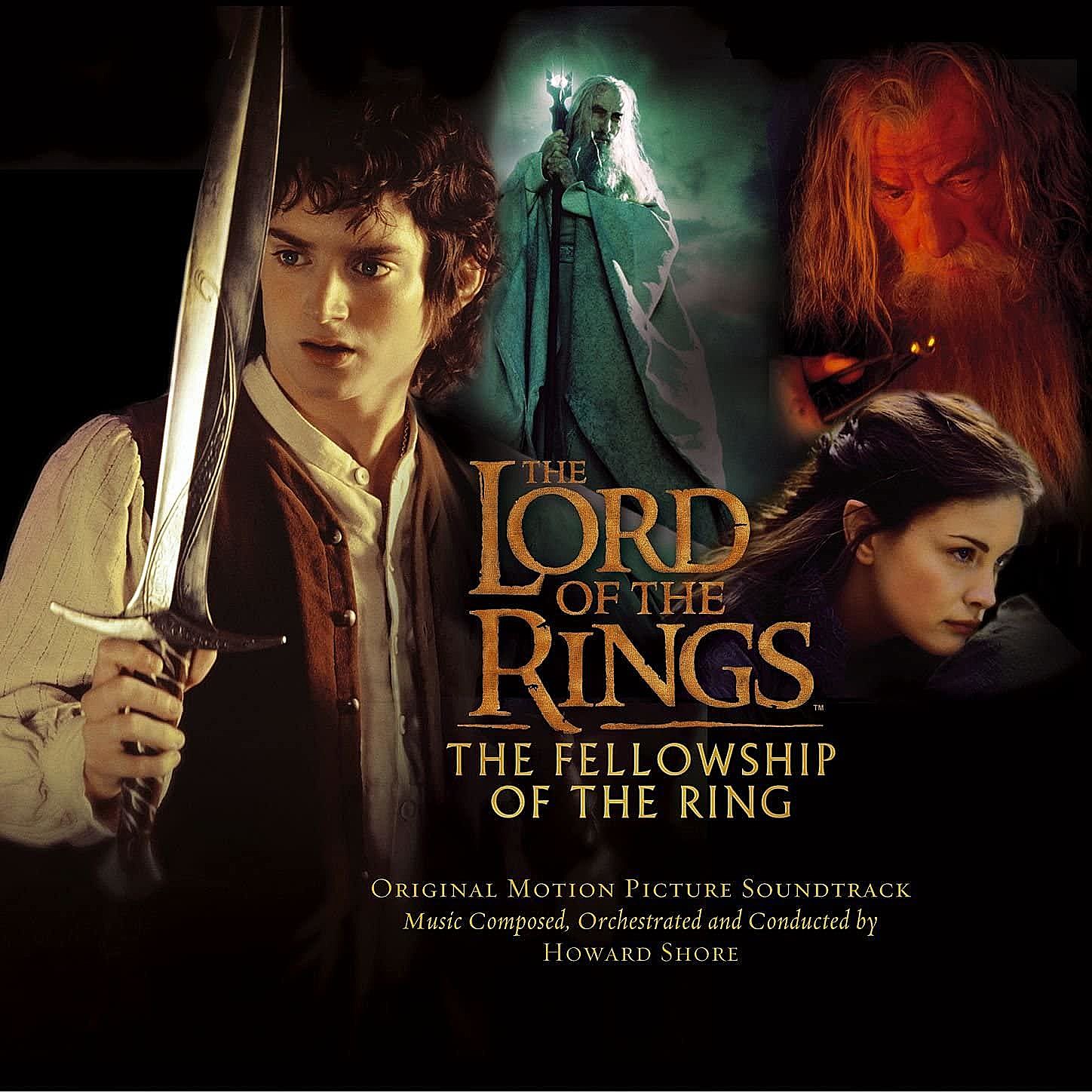
Howard Shore – “Lothlorien (feat. Gandalf’s Lament)” (from Lord of the Rings: The Fellowship of the Ring)
When you're making movies out of some of the most beloved fantasy novels of all time -- say, The Lord of the Rings series -- it's good to have access to a "Voice of God" who is used to singing in invented languages. Director Peter Jackson and composer Howard Shore brought in Fraser for The Fellowship of the Ring scene where the Fellowship rests in Lothlórien, while the elves sing a lament for Gandalf. Needless to say, her Elvish is impeccable (skip to around 2:30 mark on the track to for Fraser's entrance). They brought Fraser back for The Two Towers'"Isengaard Uleashed" sequence. Speaking of heavenly voices: Fellowship of the Ring's soundtrack also featured Enya.
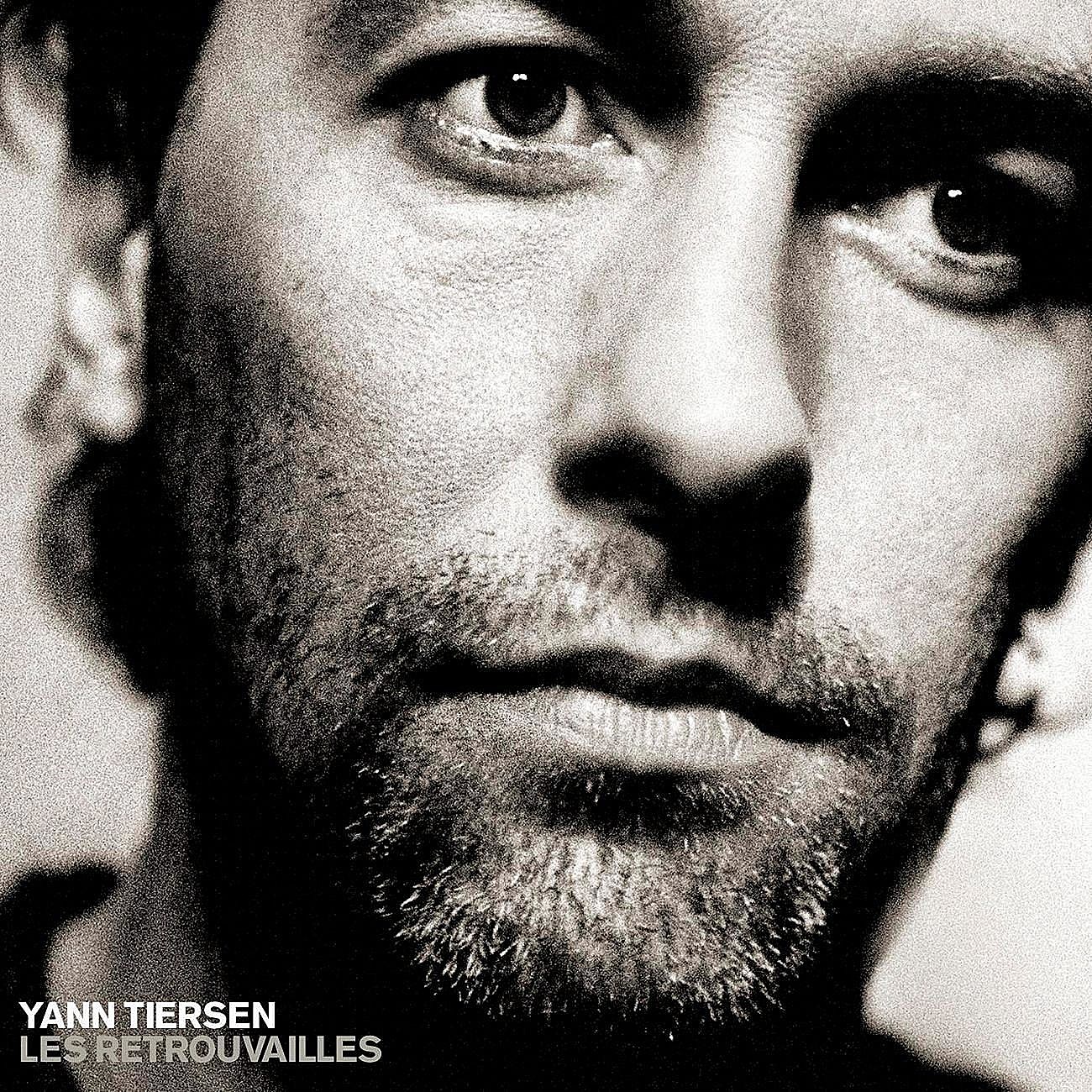
Yann Tiersen – “Kala”
Composer Yann Tiersen, who gained fame in 2001 for his Amelie score, released Les Retrouvailles in 2005 which found him collaborating with a number of great vocalists, including Jane Birkin, Tindersticks frontman Stuart Staples and Fraser, who contributed to two songs on the album. "I was a huge fan of [Cocteau Twins] and of her voice," Tiersen told The Beijinger. They wrote the fanciful, swooping and dramatic "Kala" together. "It’s like a very good moment in the studio we spent together...to see her working and see her ideas coming from nowhere. It was great."
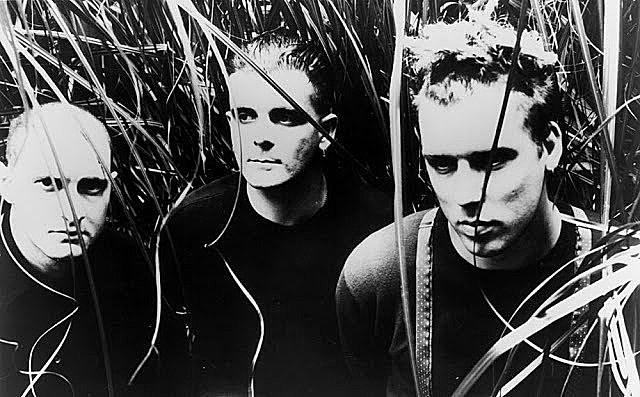
The Wolfgang Press – “Respect”
Chances are you've never heard Liz Fraser like this before. Certainly not since, either. The Wolfgang Press were a dark and brooding band signed to 4AD, cut from the same cloth as The Birthday Party but with an interest in funk, dub and drum machines. Having become fast friends with Liz and Robin of the Cocteau Twins, TWP asked Liz to sing on their debut EP...for a cover of Aretha Franklin's "Respect." It's true. Liz provides the "Just a little bit!" backing vocals in the chorus. "Our version was too rigid," Wolfgang Press frontman Mark Allen said in 4AD chronicle Facing the Other Way. "It should have been thrashier, heavy, more tribal. It was almost comical by the end." It's probably the most comical song 4AD released in the '80s, and more of a curio than anything else, but it's nonetheless interesting to hear Fraser so outside her wheelhouse.Continue reading...